110 Music & Entertainment Website Designs


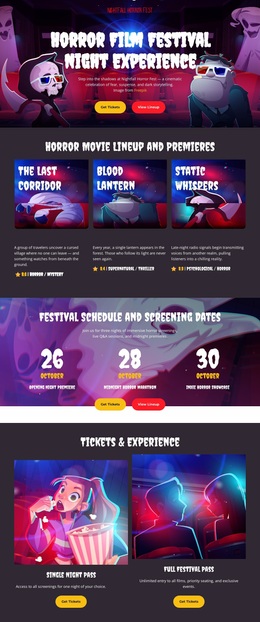
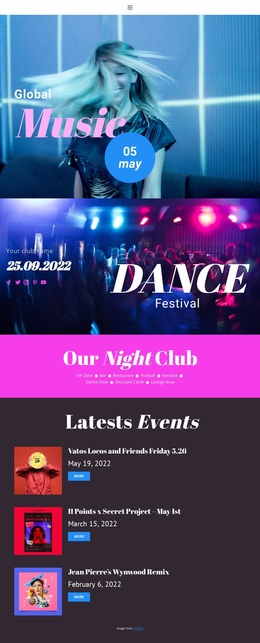
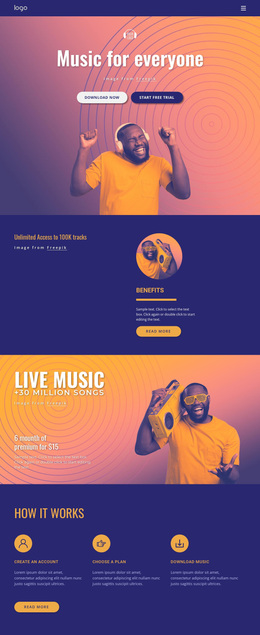
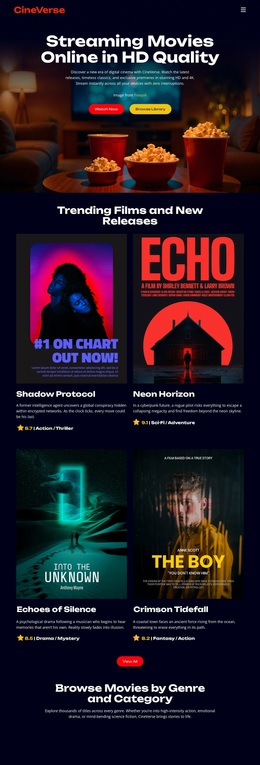











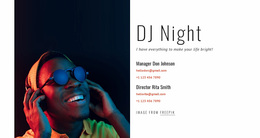
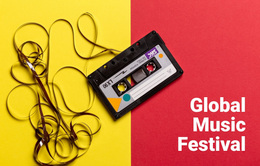
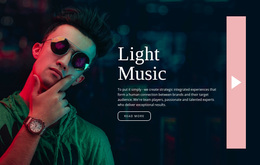
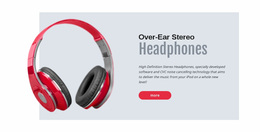
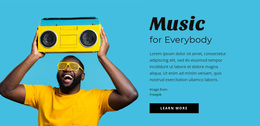
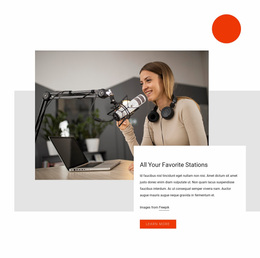


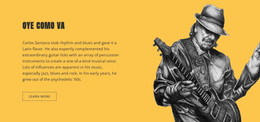
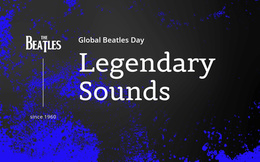

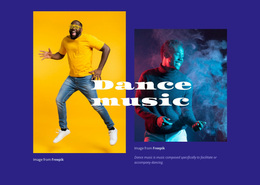
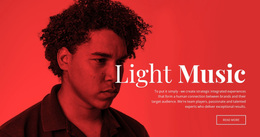
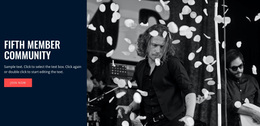
Creative Music & Entertainment Website Design for Memorable Brands
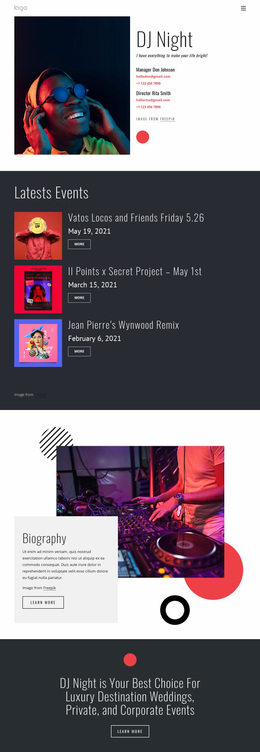
Music & entertainment website design is the site-wide visual system that makes a performer, label, concert brand, or ensemble recognizable from page to page. It covers typography, color, imagery, navigation treatment, recurring page patterns, motion, and the relationship between editorial and promotional content. Unlike Web Page Design, which focuses on the composition of a single page, Website Design establishes the rules that keep the entire site coherent.
Build a Site-Wide Visual Language for the Music Brand
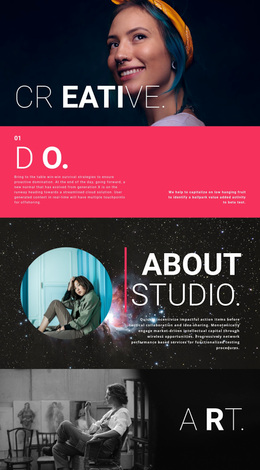
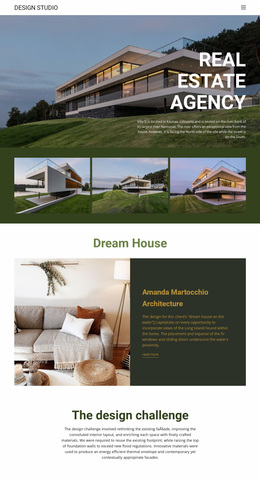
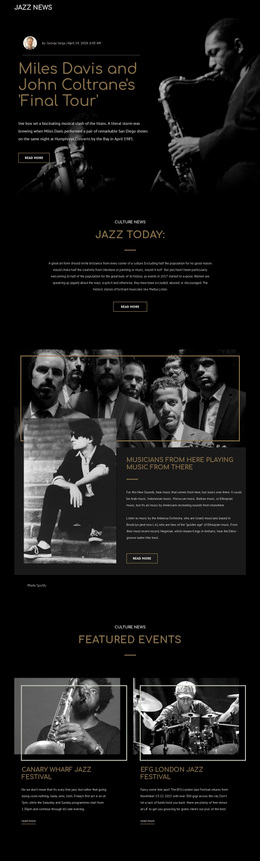
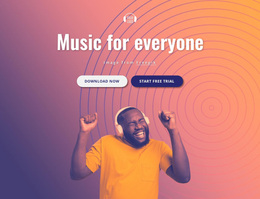
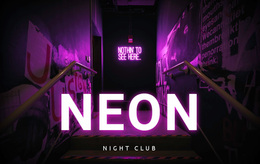
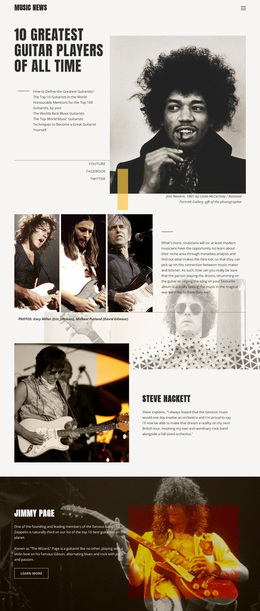
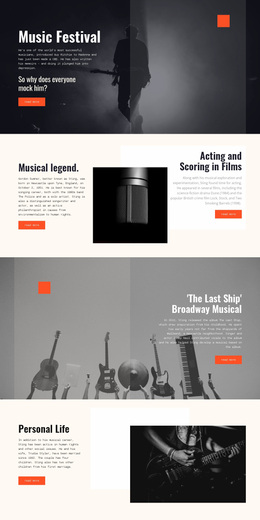
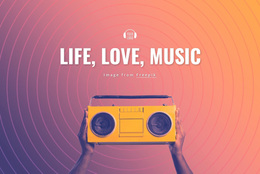
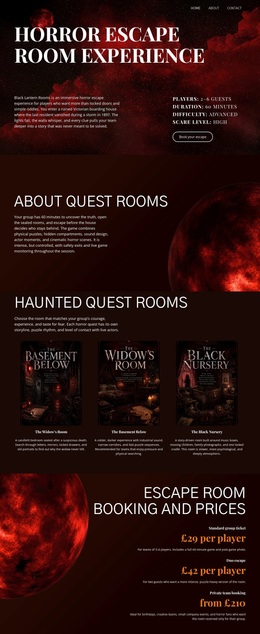
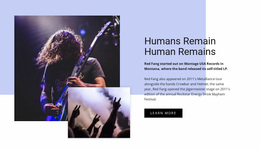
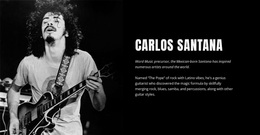
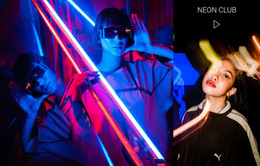
Start with brand character, not with individual blocks. A classical ensemble may rely on restrained typography, generous spacing, formal photography, and calm motion. An electronic artist can use sharper contrast, kinetic type, gradients, and immersive imagery. A rock project may favor high-impact photography, compressed spacing, and bold display type. At the same time, a label or editorial platform often needs a more modular system to support many artists and releases without sacrificing hierarchy.
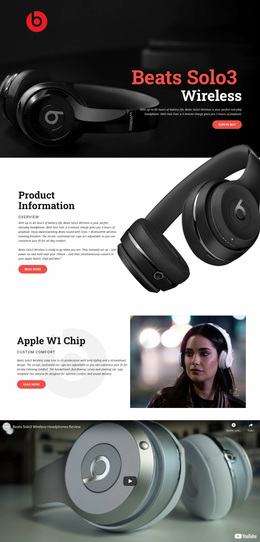
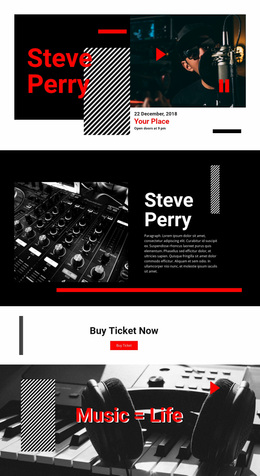
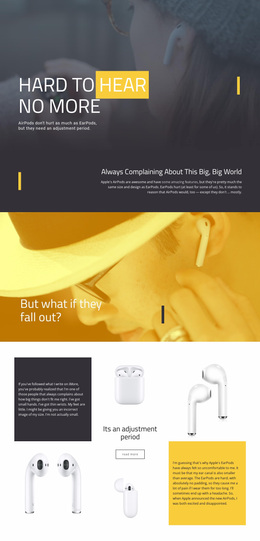
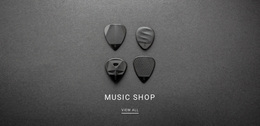
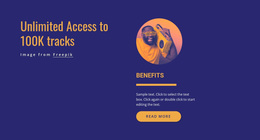
A release-focused project can draw from record website ideas to balance cover artwork, artist information, track context, and promotional calls to action. The design decision is bigger than the release page itself: the same typography, image treatment, navigation logic, and color system should carry into artist pages, news, events, and contact areas.
Translate the Music Identity into Repeating Rules
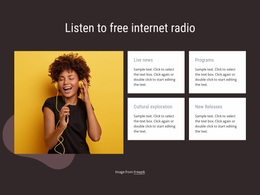
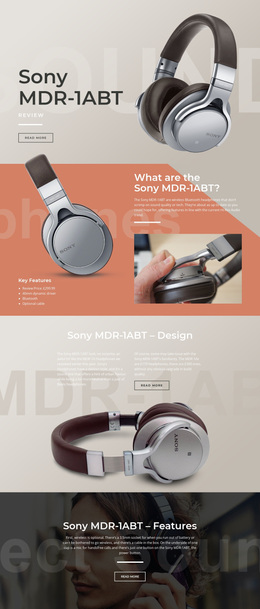
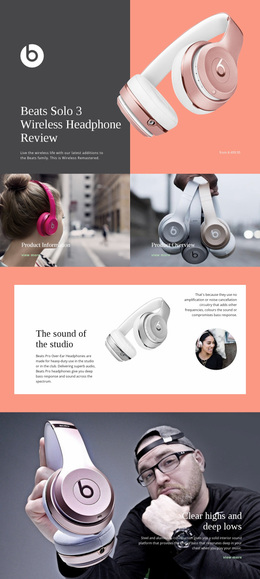
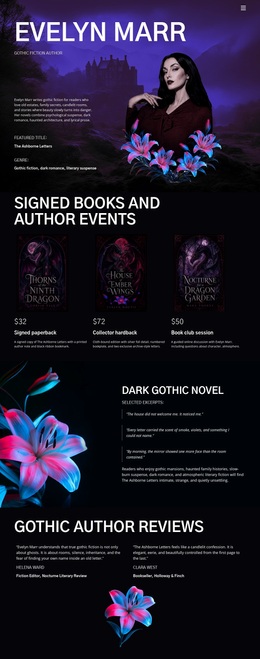
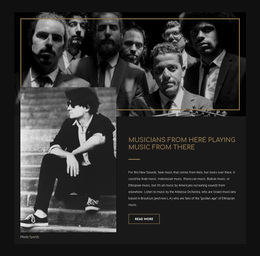
Start with the parts of the visual system that visitors encounter repeatedly. Define a typography system for display titles, body copy, metadata, labels, and utility text. Set an image treatment for cover art, portraits, live photography, and editorial images so cropping, contrast, overlays, and proportions do not change randomly from page to page.
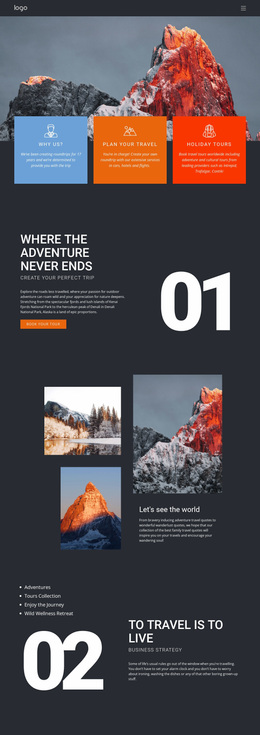
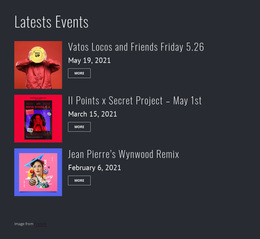
Navigation should keep the same spacing, states, and behavior across the site. Recurring components such as release cards, event rows, article previews, buttons, and media blocks should also follow stable rules even when their content changes. Motion needs the same discipline: decide which interactions deserve animation, how strong those effects should be, and where static composition is clearer. Nicepage supports broad typographic control, including custom font support, while global color and typography settings help keep these repeated decisions aligned.
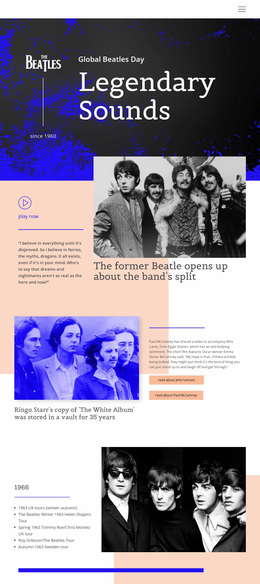
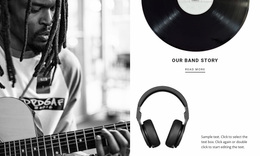
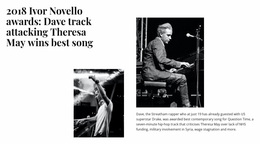
For orchestras, recital series, or music schools, classical music website concepts can still provide useful references for typography, spacing, and image treatment. The important step is to turn any reference into a repeatable system that works across the homepage, release pages, event listings, articles, and contact areas.
Use Motion and Media as Part of the Brand System
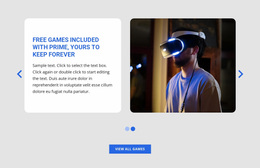
Animation should have a defined role. A concert brand may use motion for an opening title, lineup reveal, or ticket prompt without animating every card. The documented Animation Effects can support these moments, but consistency matters more than quantity.
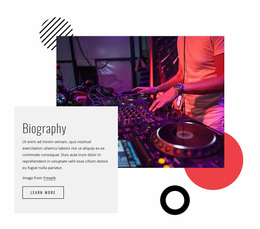
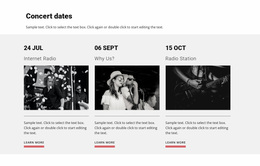
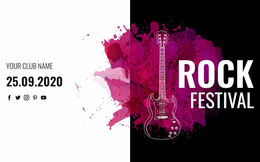
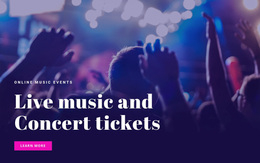
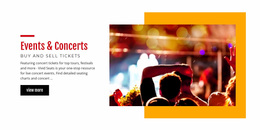
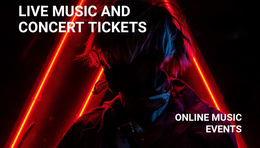
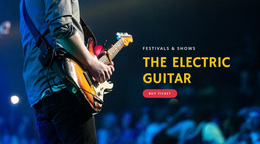
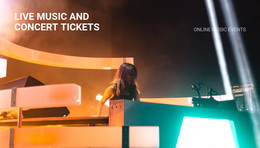
A concert website idea can help compare event-led structures where dates and ticket paths are visually dominant. The same site may still need quieter biography, press, and archive pages, so the design system should flex without becoming inconsistent.
Music & Entertainment Website Design FAQ
How do I turn a music brand identity into repeatable website rules?
Define typography roles, color usage, image treatment, navigation behavior, recurring component styles, and motion rules that can be reused across different pages. The system should reflect the specific artist or organization rather than a generic entertainment aesthetic.
What should stay consistent across all pages of an entertainment website?
Keep the typography system, navigation behavior, color roles, button language, image treatment, spacing rhythm, and recurring page patterns recognizable across the site.
Can record artwork become part of a large visual hero section?
Yes. Expand Image can turn a standard image into a background and return it to a normal image when needed. It is useful when cover art or performer photography should define the mood of a hero area.
How much animation should an entertainment brand use?
Use enough motion to support identity and attention, but keep supporting sections calmer. Repeated effects on every block usually weaken hierarchy rather than strengthen it.
Is Website Design different from designing one web page?
Yes. Website Design defines the visual system and recurring rules across the entire site, while Web Page Design focuses on the hierarchy and content order of a specific page.
Design Principle: Variation Should Happen Inside a Stable Brand
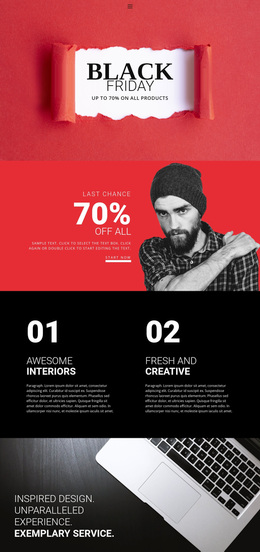
A release page may be dramatic, an archive page may be quiet, and a ticket page may be highly functional. They do not need identical compositions. They do need enough shared typography, color roles, navigation, image treatment, and component behavior that visitors still know they are on the same site.
That is the boundary between Website Design and Web Page Design: the former defines the rules that apply across many pages; the latter determines the order and emphasis of a single page.