520 Technology Website Designs

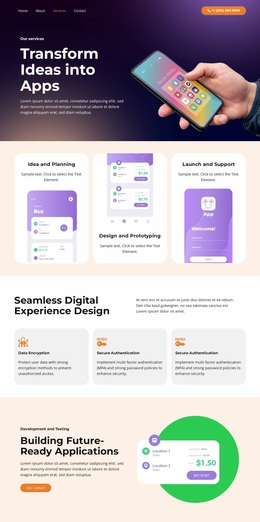
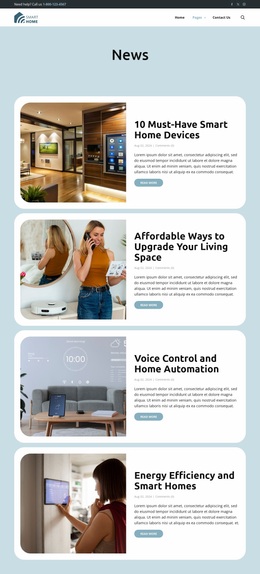
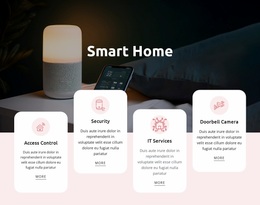


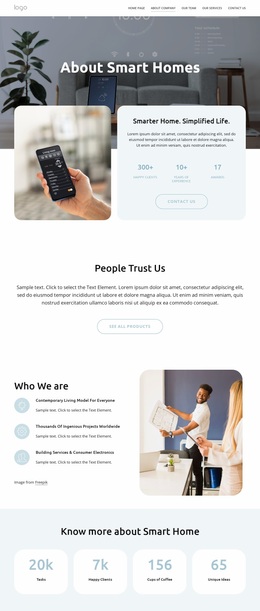
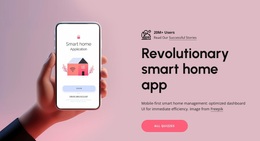
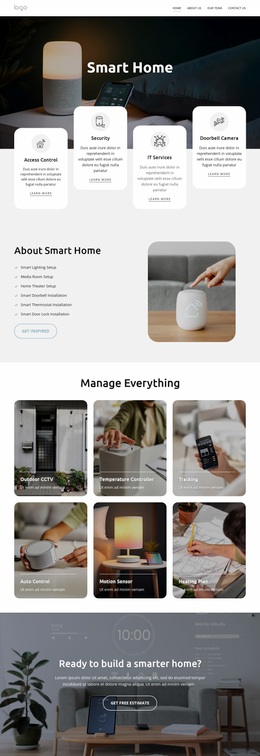




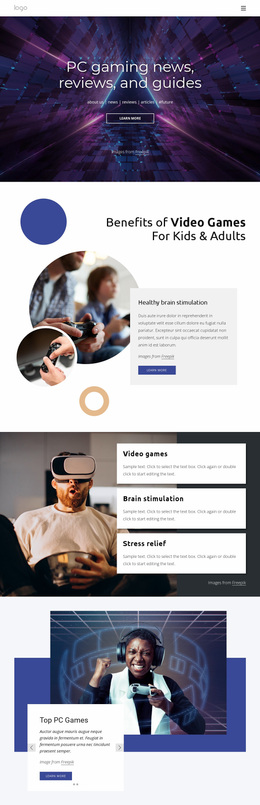

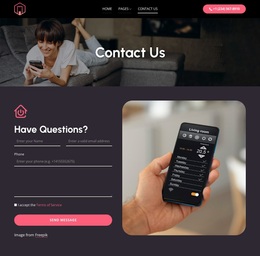

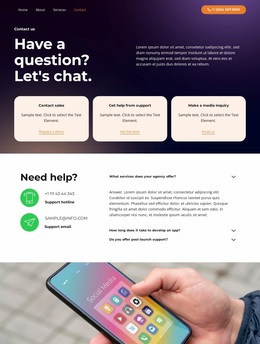
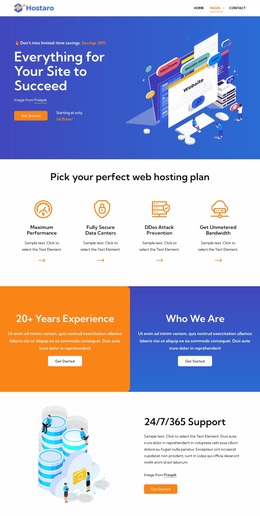
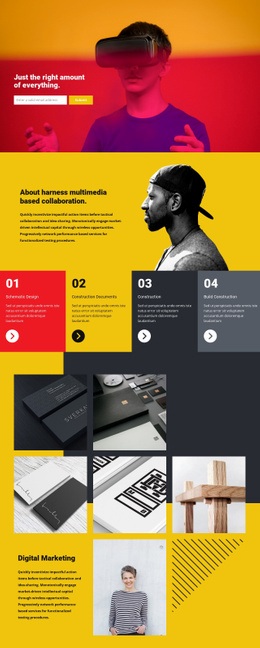
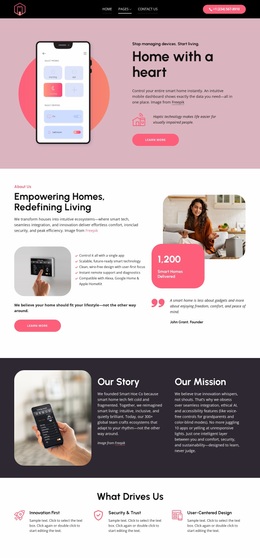
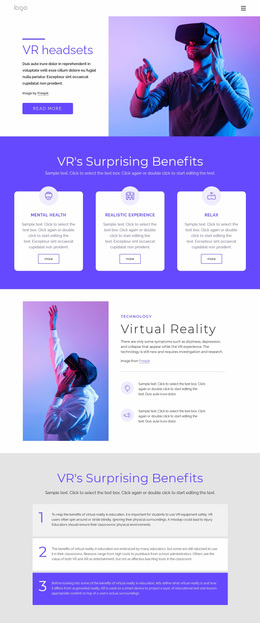

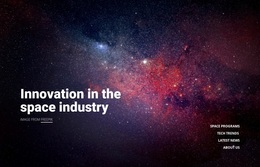
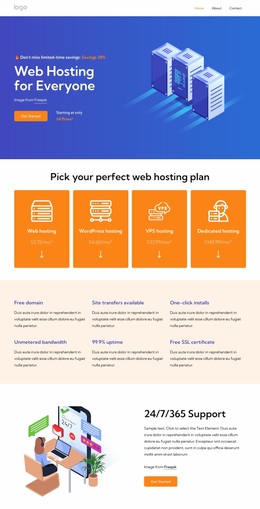
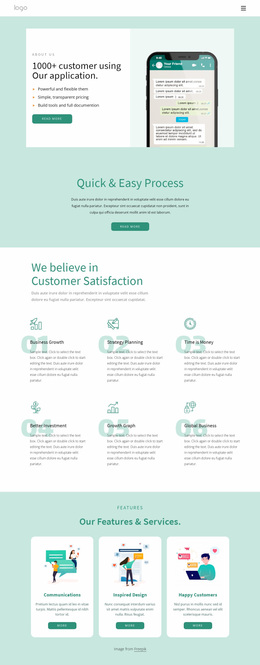




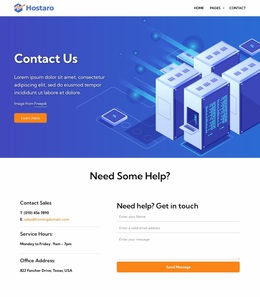
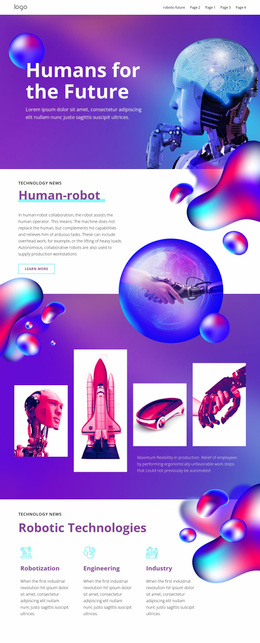
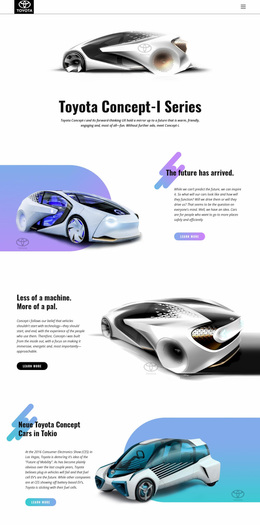
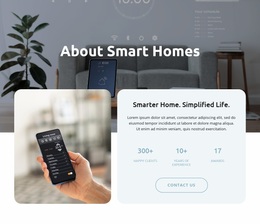
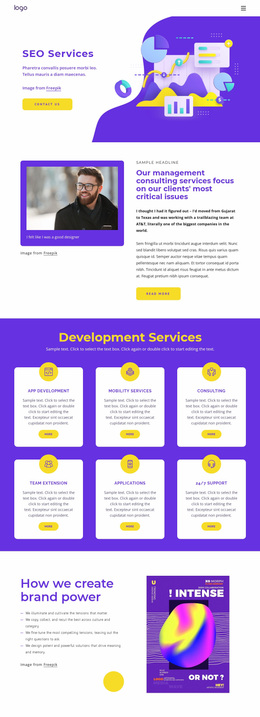
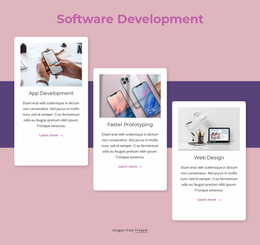
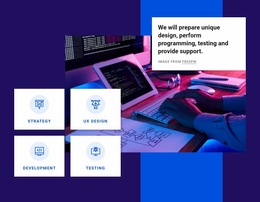
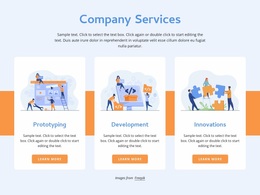













Creative Technology Website Design for Software and Future-Tech Brands
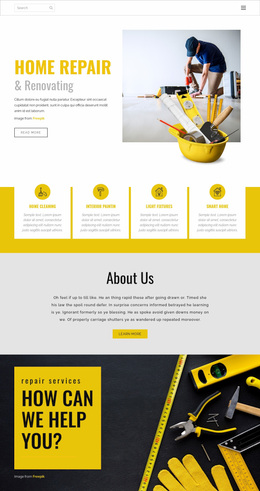
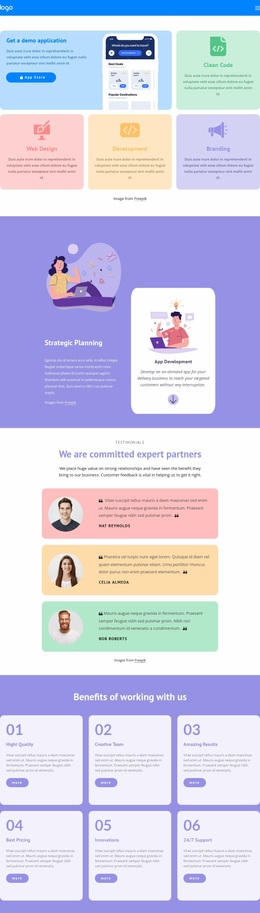
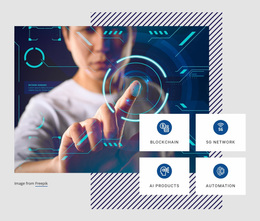
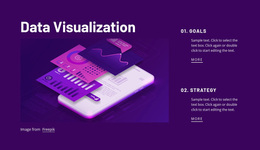
Complex technology brands can look fragmented when product pages, documentation, blog posts, support content, company pages, interface captures, and technical diagrams follow different visual rules. Technology website design solves that site-wide problem through a shared color system, typography, imagery system, composition principles, and brand identity that remain recognizable across every major section of the website.
Who Needs Modern Technology Web Design?
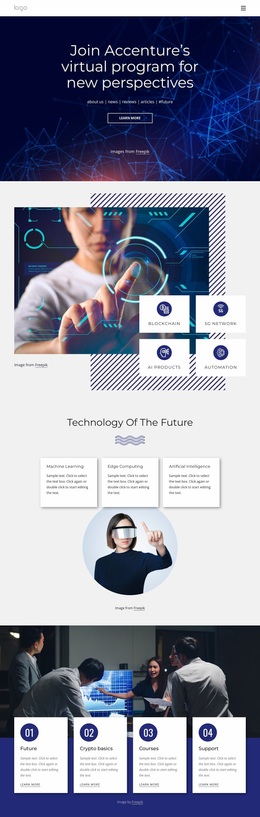
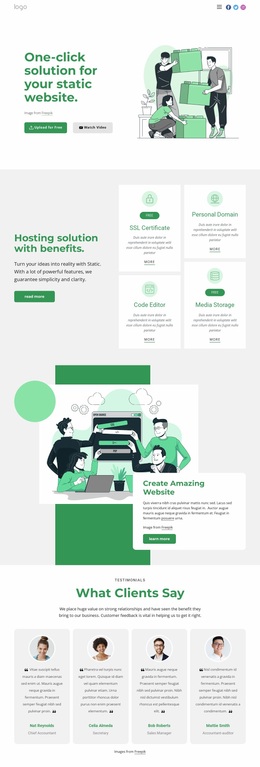
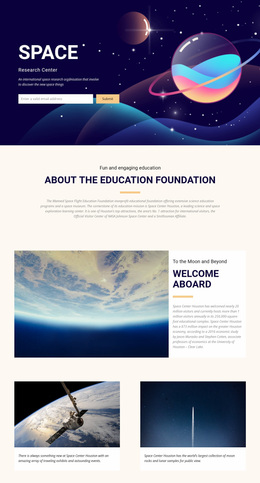
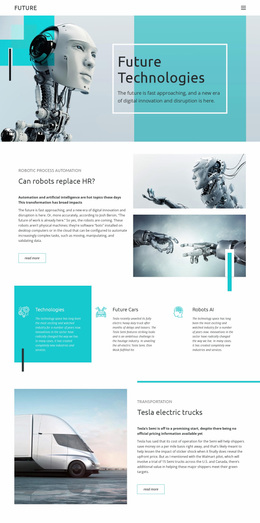
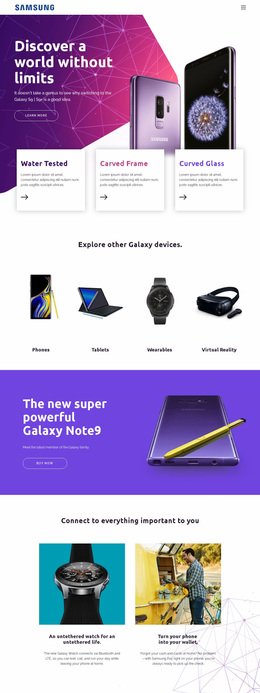
If you develop robotics, product pages and support content should still feel like parts of the same brand. Android teams may use interface-led imagery across product and company pages, while SaaS brands need consistent typography from feature pages to documentation and blog content. Space-tech companies often need an editorial image and type system that can carry research, company information, technical resources, and product stories without changing personality from page to page.
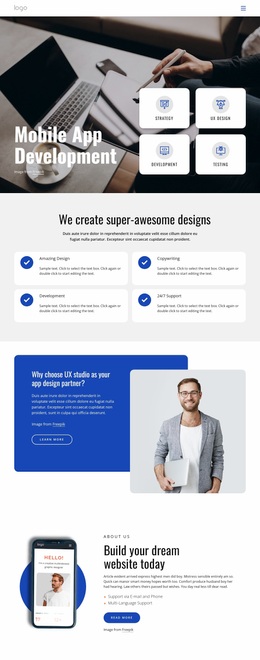
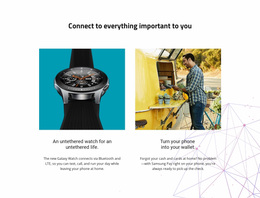
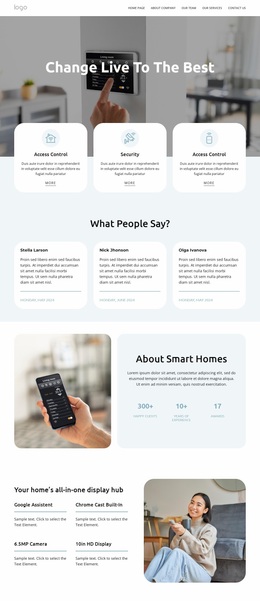
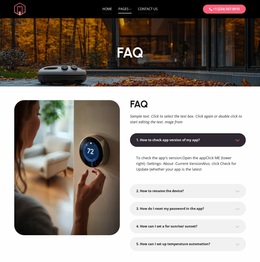
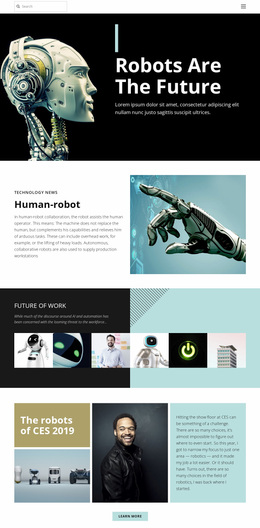
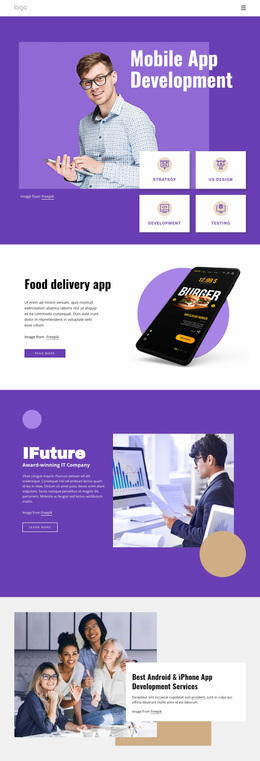
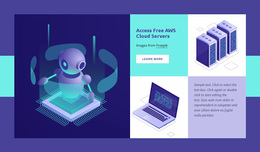
A robotics company can start from a robot-focused visual direction when hardware, automation, or machine imagery defines the brand. An app team may prefer an Android design concept with interface screenshots and mobile-product content closer to the center of the composition.
Nicepage lets you select a design direction and refine its site-wide visual language in the visual design canvas, then reuse those decisions across product, docs, blog, support, and company pages rather than treating every page as a separate visual experiment.
Premium Features for a Consistent Technology Aesthetic
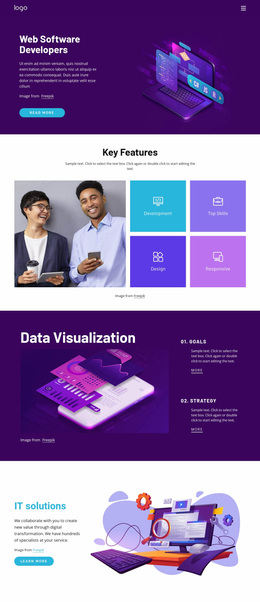
Theme Colors: establish a shared palette across the project instead of choosing unrelated colors page by page. Typography Styles: create consistent hierarchy for product names, technical headings, descriptions, and supporting text. Multi-Layer Background: combine background layers on Blocks, Boxes, Grid Cells, or Grid Repeater Items; the Multi-Layer Background controls support effects such as masking, shading, color opacity, and transparent gradient overlays.
Preset Shapes: add scalable vector figures to technical compositions and adjust fills, gradients, or shadows where supported. Expand Image: turn an image into a background when a product render or abstract technology visual needs broader impact. Responsive Modes: refine the composition for desktop and mobile views. Animation Effects: add selective motion to product elements, with animation display controls available for page-load or scroll triggers.
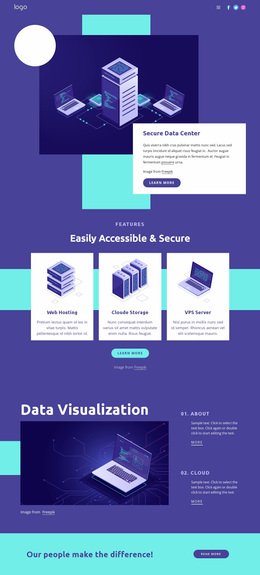
For research, aerospace, or satellite products, a space-oriented design direction can support large imagery and more experimental compositions without removing the need for readable technical copy.
Flexible Visual Rules for Technology Brands
Do: define a limited visual system for colors, type scale, image treatment, shapes, and motion before you refine individual pages. Don't: combine every futuristic effect simply because the category allows it. Strong gradients, animations, illustrations, and interface captures should share one visual purpose, or the product identity becomes harder to recognize.
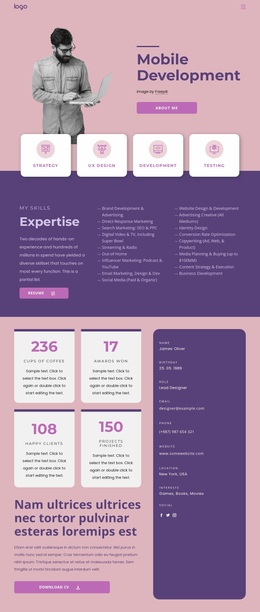
The same principle applies across page types. A documentation page can be denser than a product page, and a blog post can be more editorial than support content. However, the typography, palette, image treatment, shapes, and motion language should still make them feel like one technology brand. This continuity also strengthens recognition.
User-Friendly Technology Website Design FAQ
Can I use Google Fonts for a technology brand website?
Yes. Nicepage provides access to more than 1300 Google Fonts in the Desktop Applications, WordPress Plugin, and Joomla Extension. This gives software and technology brands a broad range of typographic choices for headings, interface-style labels, and supporting content.
Is it acceptable to mix several technology design trends?
Yes, provided the colors and fonts remain visually consistent, and the page does not become overloaded. Use each trend to support the same brand direction, rather than treating each section as a separate design experiment.
When should a technology company consider a redesign?
A redesign becomes relevant when the current site looks outdated on mobile or no longer supports its conversion goals. The knowledge base recommends considering an update roughly every two to three years when those problems appear.
How can I give a futuristic hero section more visual depth?
Use the Multi-Layer Background feature on a suitable Block, Box, Grid Cell, or Grid Repeater Item. It can combine background treatments such as color, imagery, masking, shading, and transparent gradient overlays while the product message stays in the foreground.
How can I keep product, documentation, blog, and support pages visually related?
Use the same core typography, palette, image treatment, recurring shapes, and shared Header and Footer rules across those page types. Their layouts can differ, but the visual language should remain recognizable.
No-Code Control Over Your Technology Brand Style
Keep visual decisions inside your own team:
- Select a design direction that matches the product identity.
- Refine colors, typography, imagery, shapes, and responsive composition in the website builder.
- Review the complete visual system, then publish online or use the supported export workflow.
You can start for free and adjust the brand presentation without having to call a developer for every visual revision.