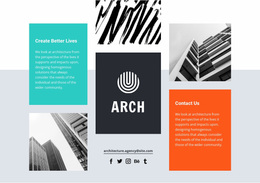
930 Food & Restaurant Website Designs
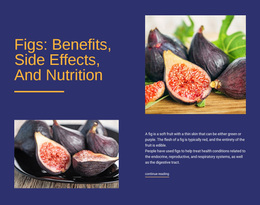
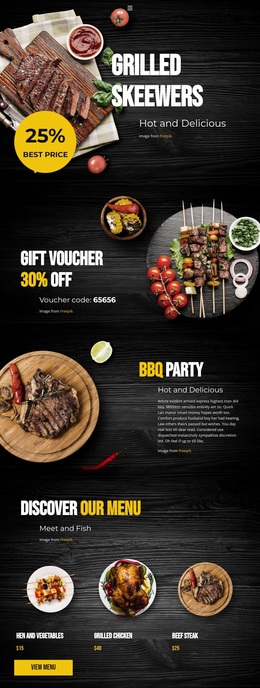
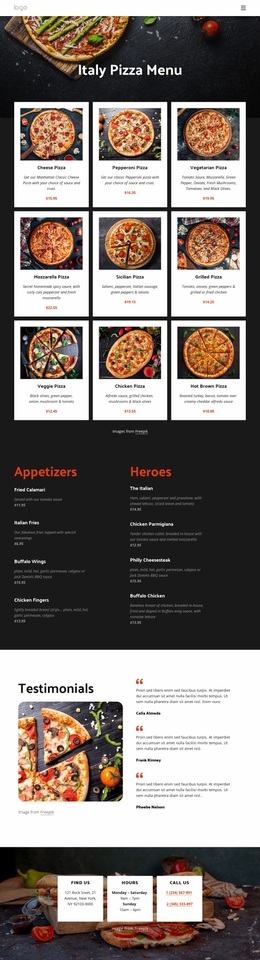




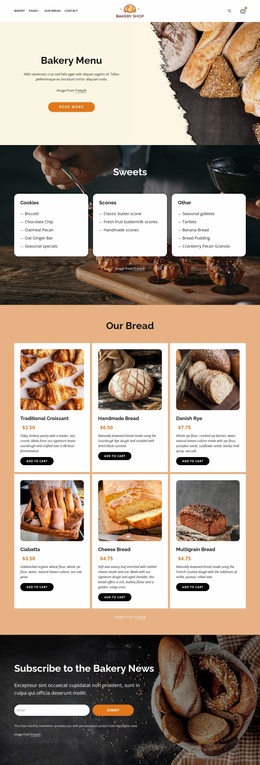

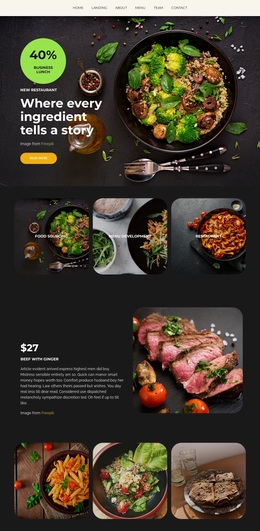
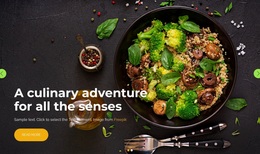
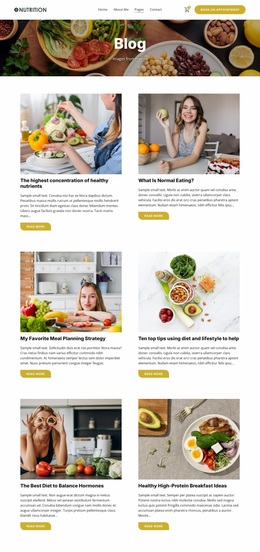
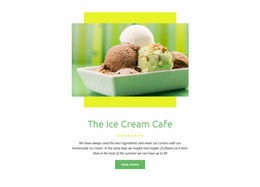
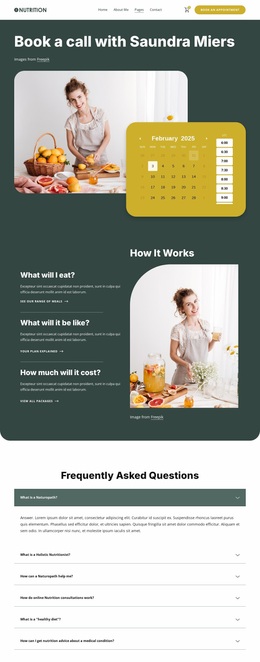
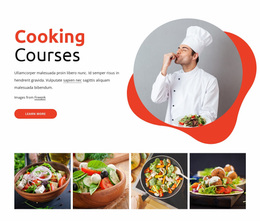
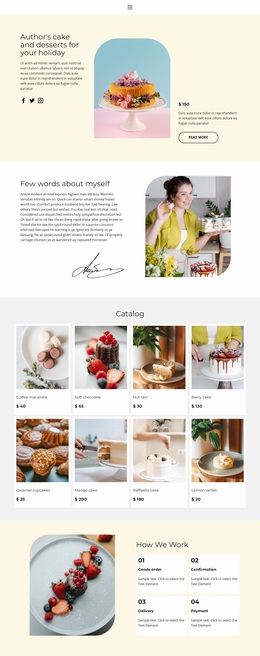

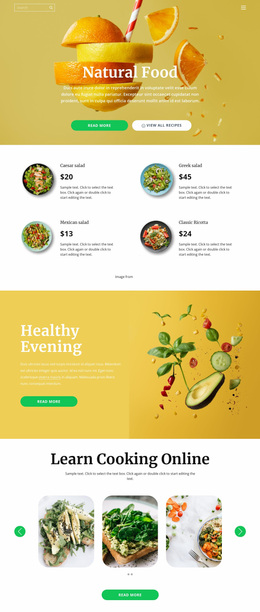
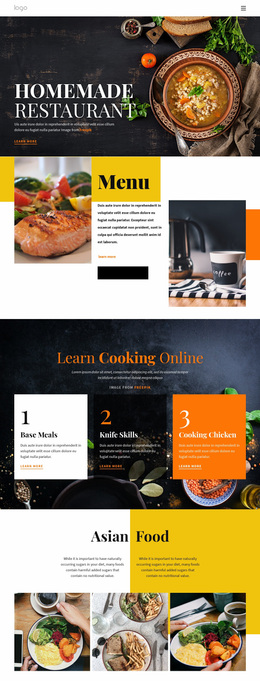
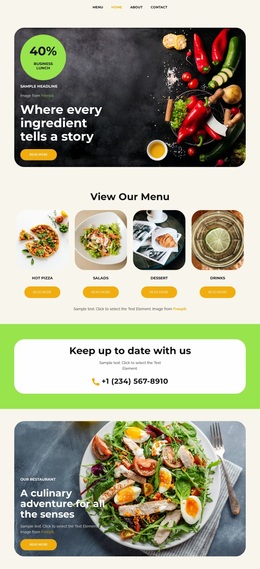
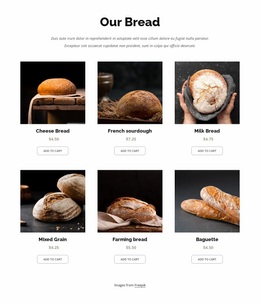


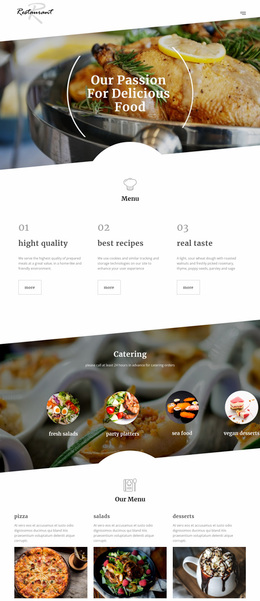
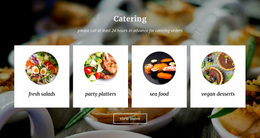
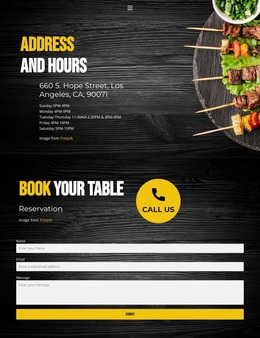
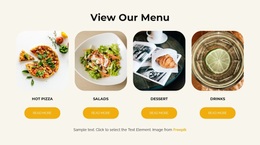
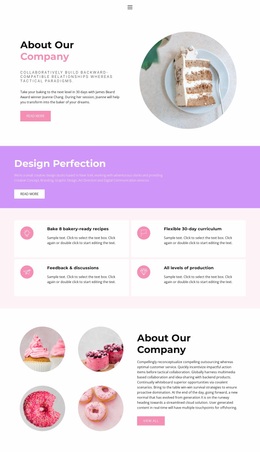
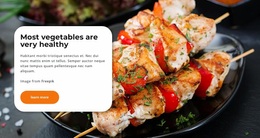
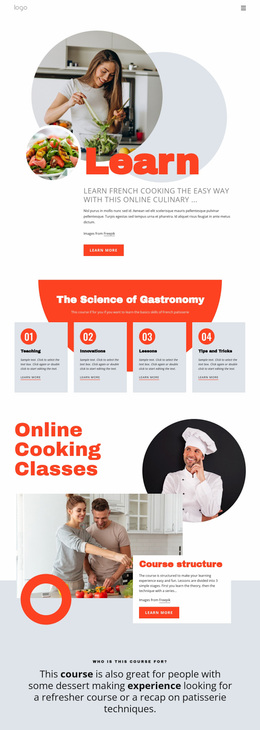
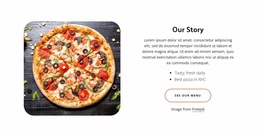

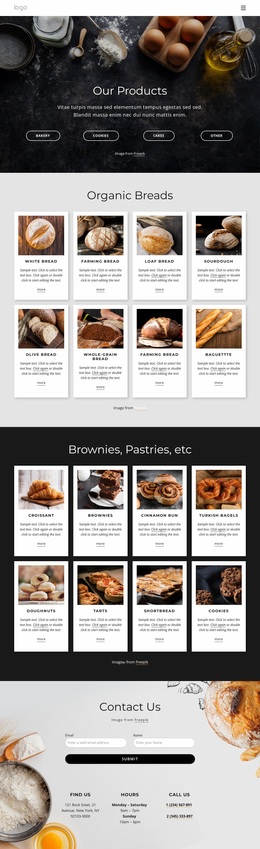
Unique Food & Restaurant Website Design
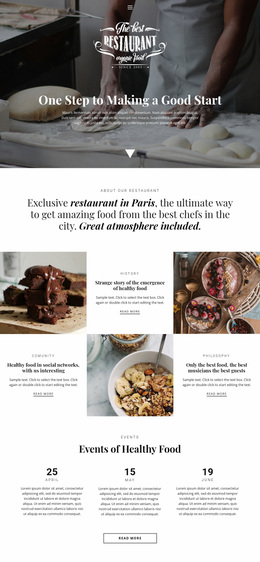
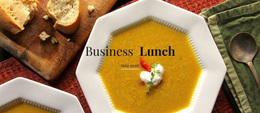
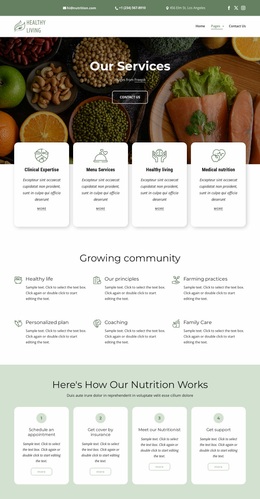
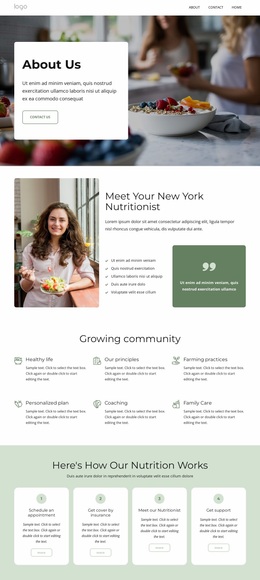
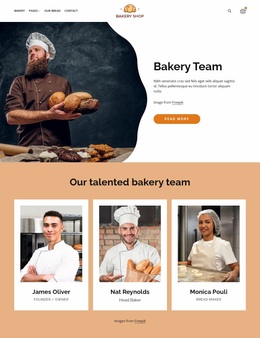
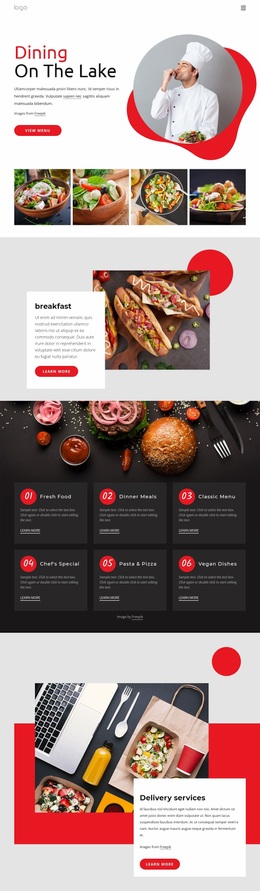
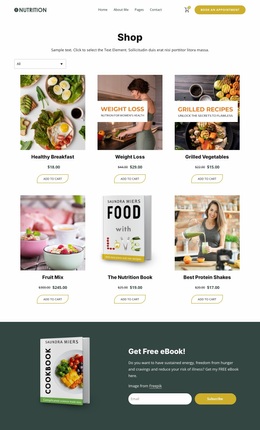
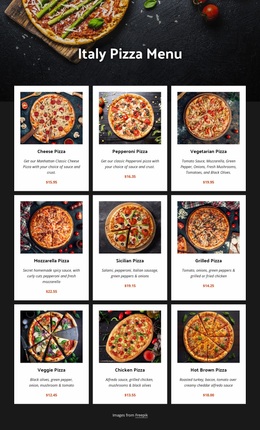
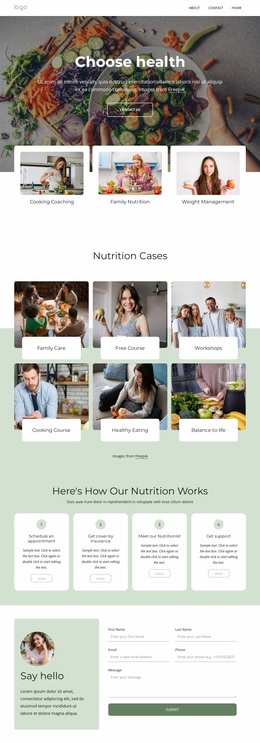
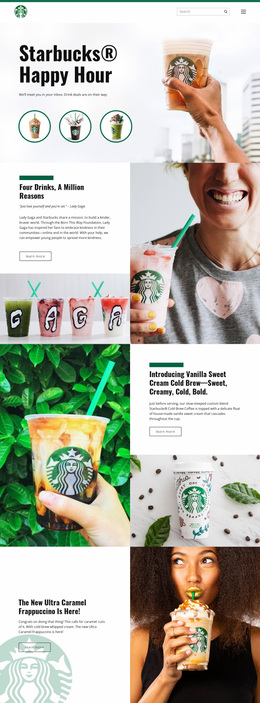
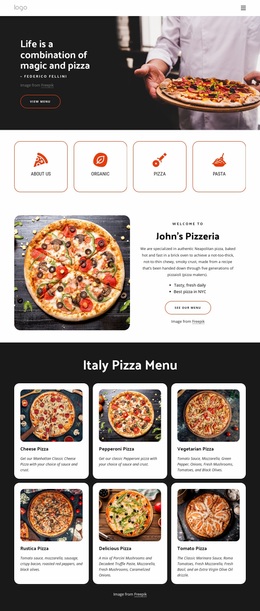
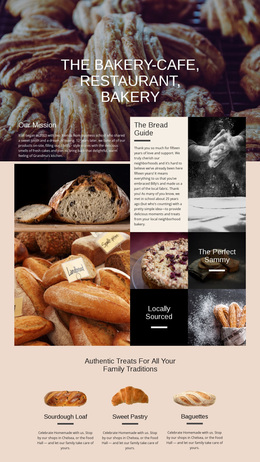
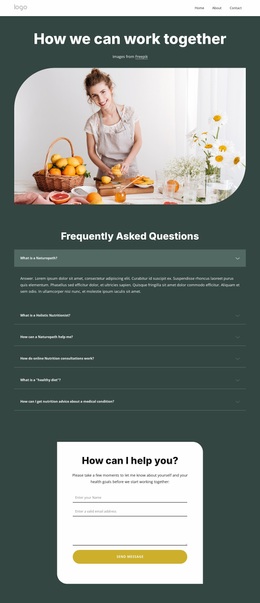
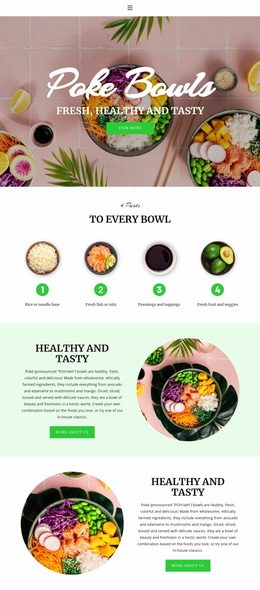
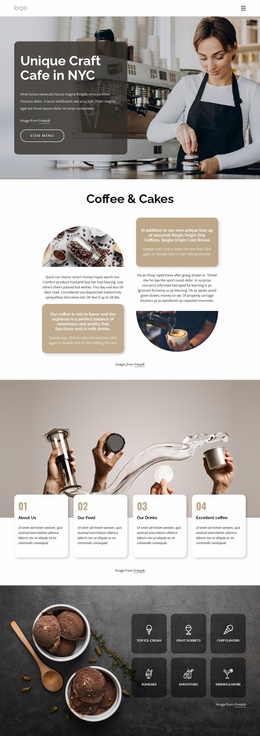
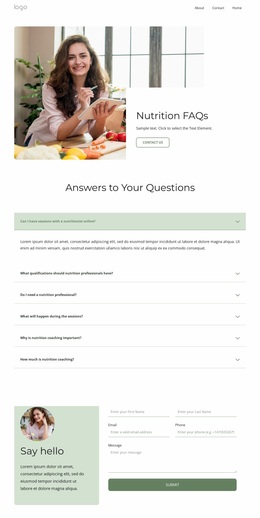
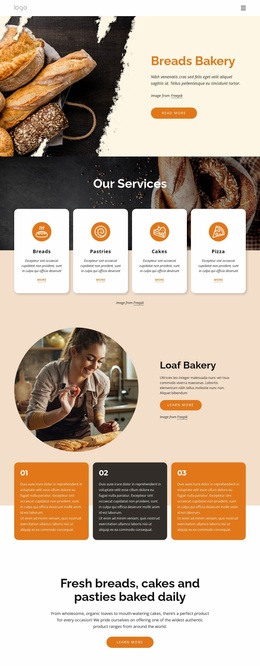
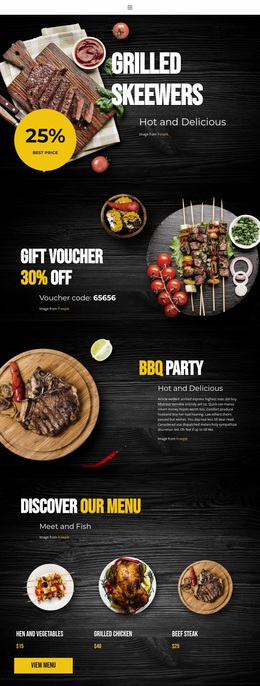
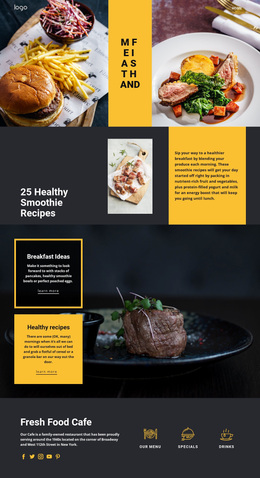
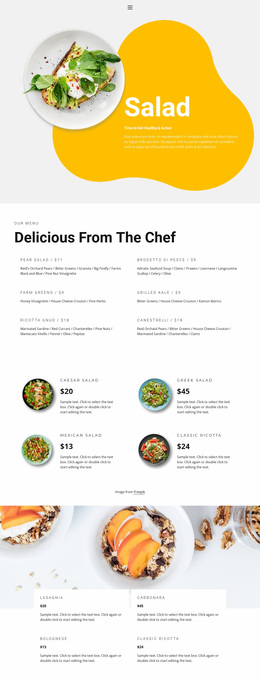
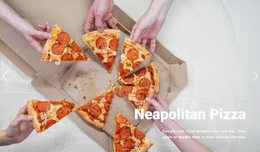
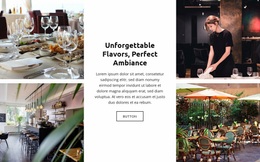
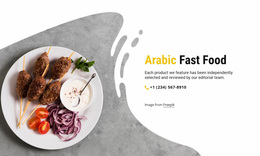
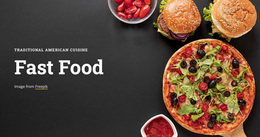
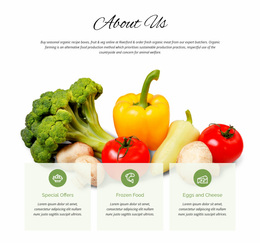
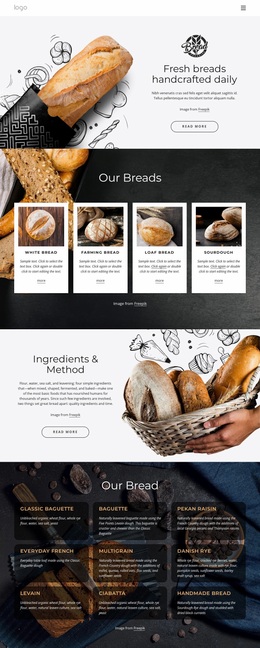
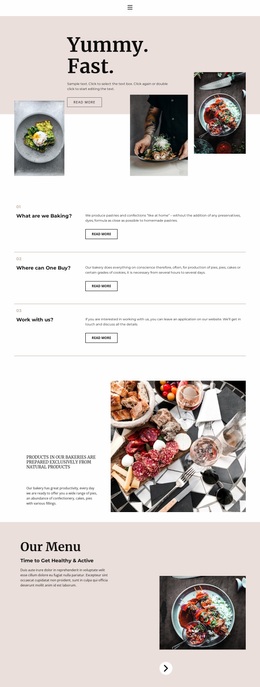
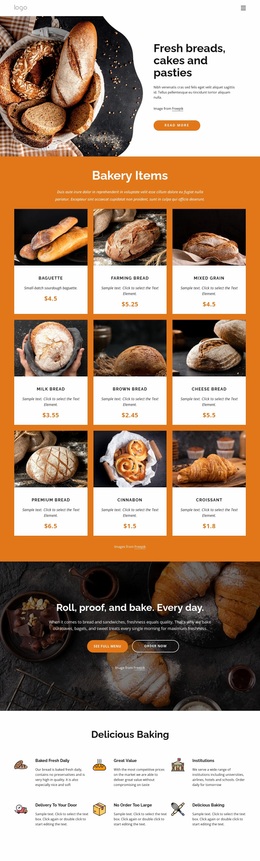
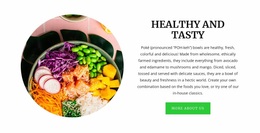
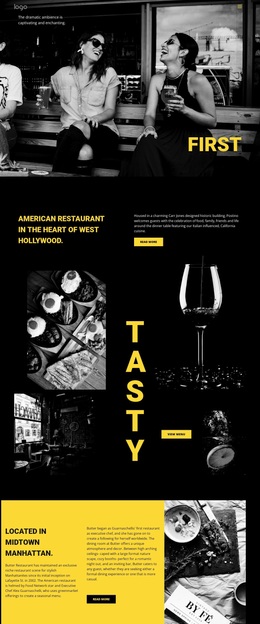
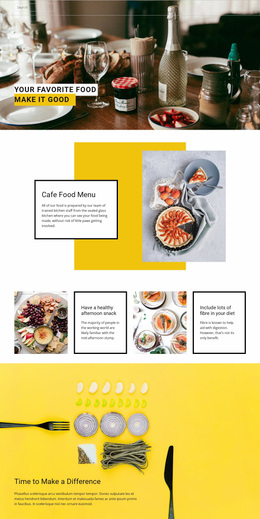
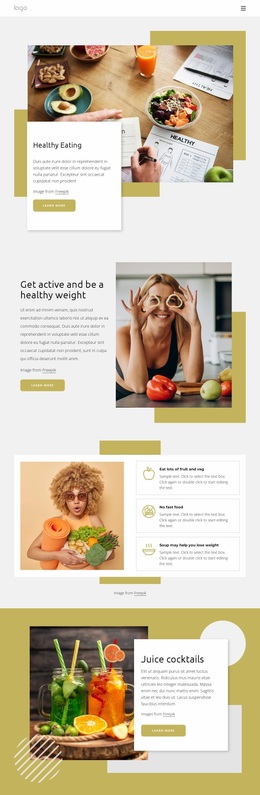
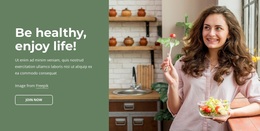
Food & restaurant website design shapes a recognizable dining experience through visual hierarchy, typography, food photography, spacing, and brand atmosphere. Menus should remain easy to read, reservation or contact CTAs should stay visible, and imagery should support the venue's character without overwhelming practical information.
What Makes a Strong Restaurant Website Design?
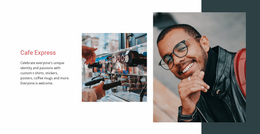
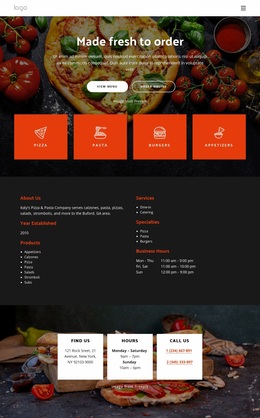
A successful restaurant design balances atmosphere with clarity. Fine-dining sites may use restrained typography, spacious layouts, and editorial photography, while casual cafés can rely on warmer colors, denser menu presentation, and more direct calls to action. In both cases, visitors should quickly understand the venue, scan the menu, and find the next useful action.
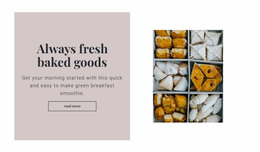
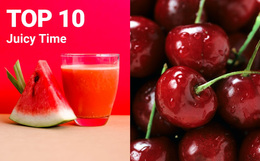
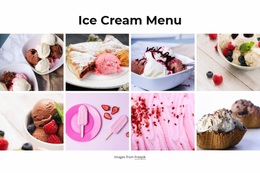
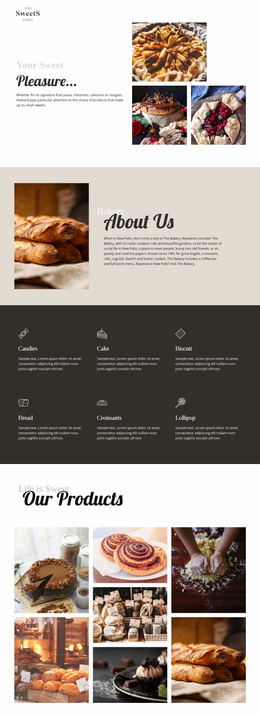
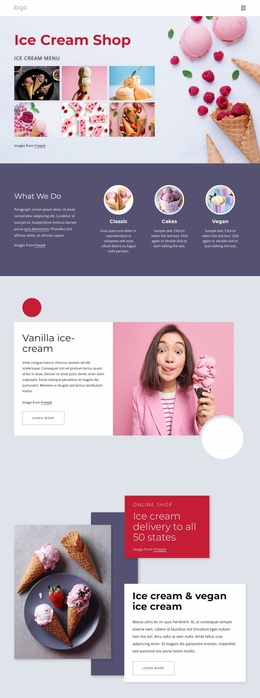
Dessert businesses can study cake website ideas for image-led presentation where texture, decoration, and product photography carry much of the brand character. A chocolatier may use chocolate-focused design directions to explore darker palettes, refined type, and close-up imagery while keeping menu labels and purchase or contact actions readable.
Build a Clear Culinary Visual Hierarchy
Typography and Menu Readability
- Use a clear type hierarchy for restaurant names, menu categories, dish names, descriptions, and prices.
- Keep decorative fonts away from dense menu copy when they reduce readability.
- Use spacing to separate categories, ingredients, and supporting details without making the menu feel fragmented.
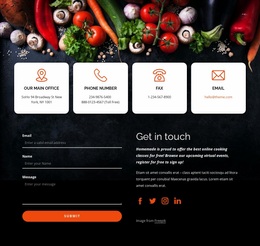
- Give reservation, order, call, or contact CTAs enough contrast to remain visible beside food imagery.
The documented Site Fonts settings let designers manage Font Schemes and Typography Styles across a project, including responsive adjustments. This is useful when menu names need stronger emphasis than ingredient descriptions or supporting venue information.
Food Photography and Brand Atmosphere
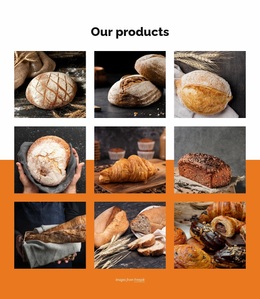
- Use consistent image treatment so dishes, interiors, and chef photography feel part of one brand.
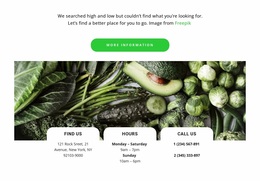
- Balance full-width imagery with practical content such as menus, opening hours, locations, and calls to action.
- Keep image crops intentional across desktop and mobile views.
- Use Theme Colors and typography to reinforce the venue atmosphere without reducing contrast or readability.
Seafood restaurants often depend heavily on freshness cues, ingredient imagery, and atmosphere. Seafood website concepts can provide visual reference points for those pages while the final design keeps its own color, typography, composition, and brand character.
Keep the Visual System Consistent Across the Restaurant Site
A successful culinary site needs consistency without monotony. Repeat a recognizable type system, palette, spacing rhythm, and image treatment across menus, venue pages, chef stories, and contact areas. Change composition when the content calls for it, but keep the brand signals stable enough that every page feels connected.
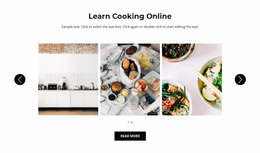
The Image Gallery Carousel can help when several dishes, interiors, or culinary details deserve attention without creating a long stack of images. Use it as part of the visual system, not as a substitute for hierarchy: key menu information and CTAs should remain easy to find.
Free Restaurant Website Design Questions
Can I use Google Fonts for a restaurant brand?
Yes. Nicepage provides access to more than 1300 Google Fonts in the Desktop Applications, WordPress Plugin, and Joomla Extension. This gives restaurant teams a broad typography library for matching the visual character of a dining or food brand.
How can I keep a restaurant menu readable beside large food photography?
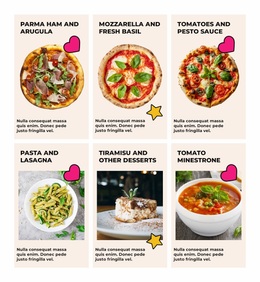
Use a clear typography hierarchy, sufficient contrast, and controlled spacing. Food images can remain prominent while menu names, descriptions, prices, and calls to action stay easy to scan.
How can I keep reservation or contact CTAs visible?
Give primary actions consistent placement, enough visual contrast, and clear spacing from decorative imagery or dense menu content so they remain noticeable across responsive views.
Shape a Clear and Memorable Culinary Brand
Refine typography, food photography, color, spacing, menu readability, and CTA visibility around the real dining experience. Keep the visual system consistent across restaurant pages, review responsive views carefully, and make sure the brand atmosphere supports practical visitor needs from the first image to the final contact section.