350 Nature Website Designs
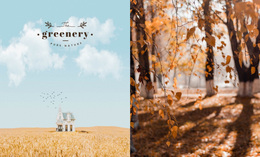
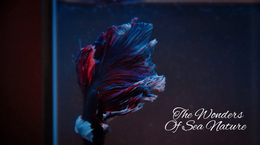
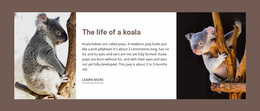
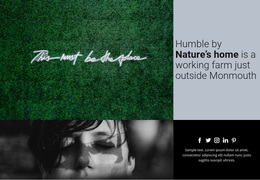
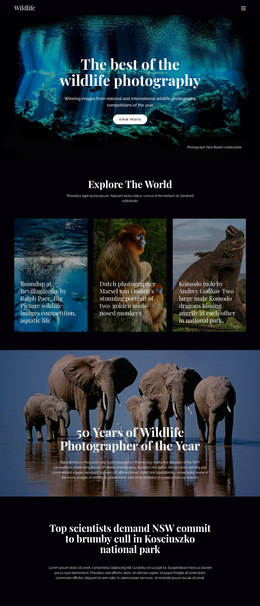

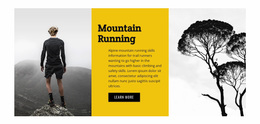
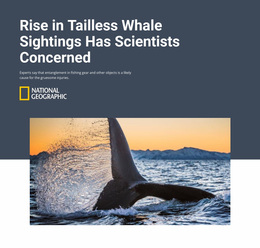

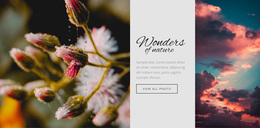
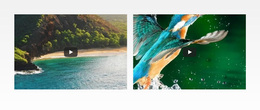
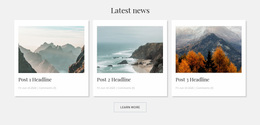
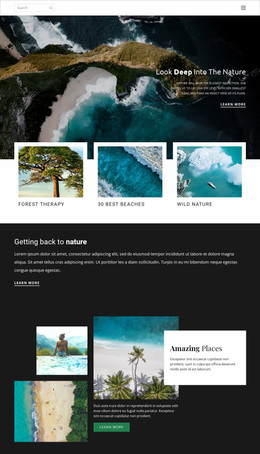
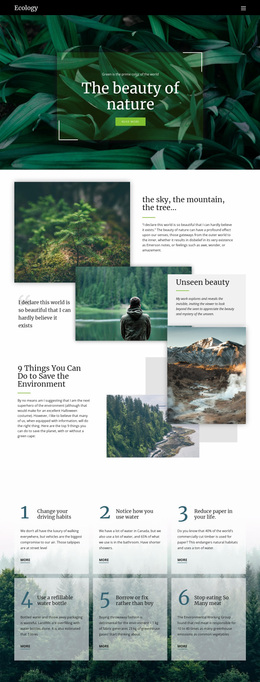


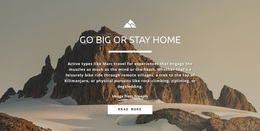
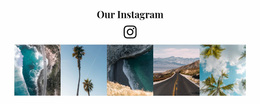
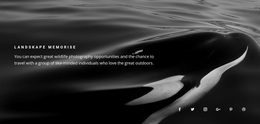

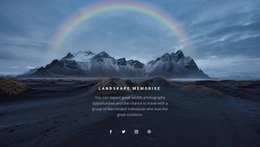
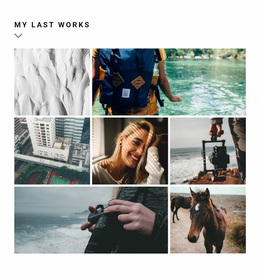
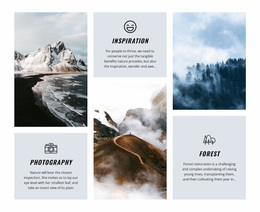
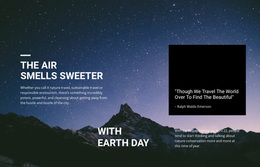
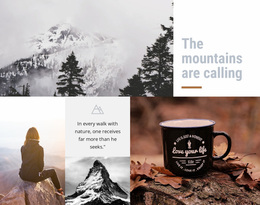
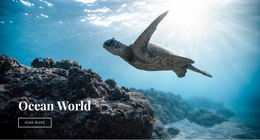
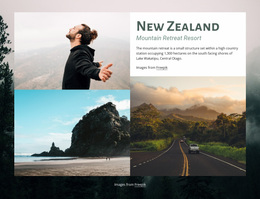
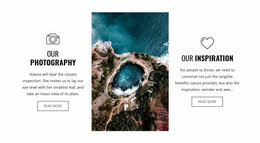

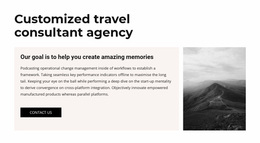
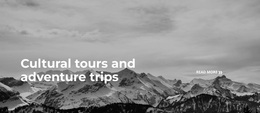
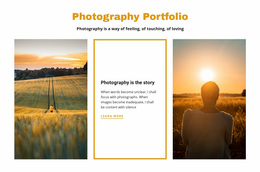
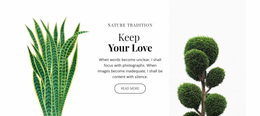
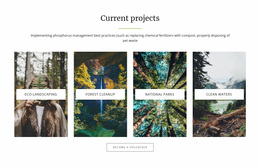

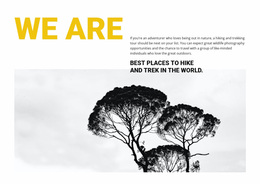
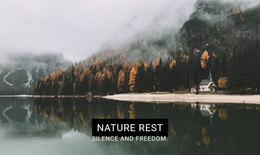
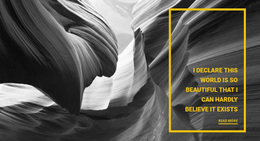
Modern Nature Website Design for a Consistent Multi-Page System
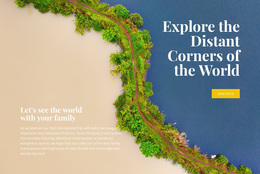
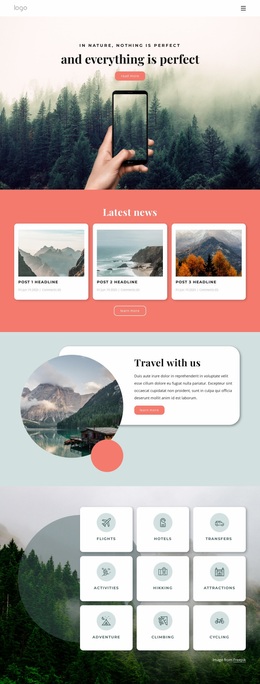
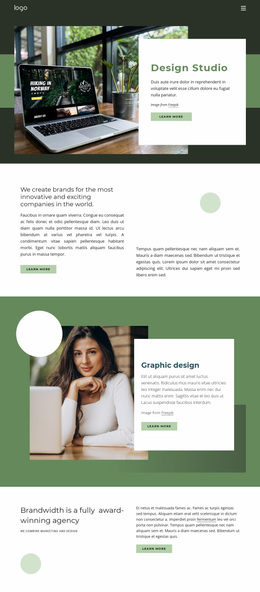
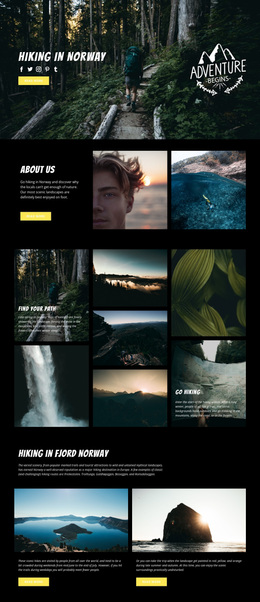
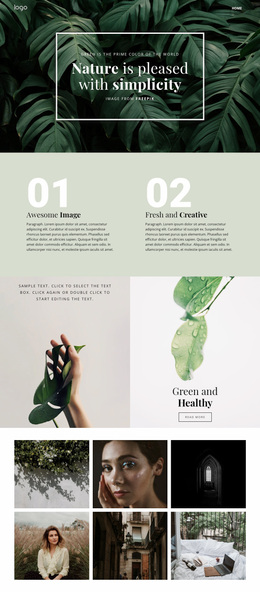
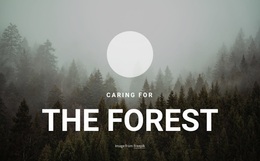
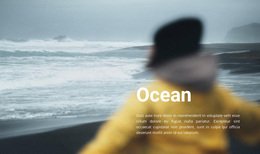
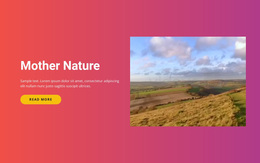
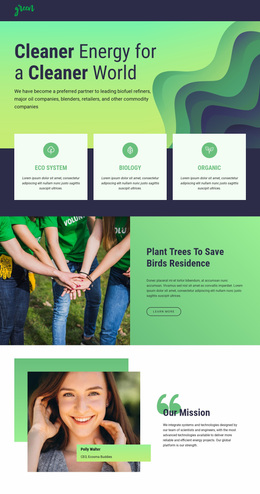
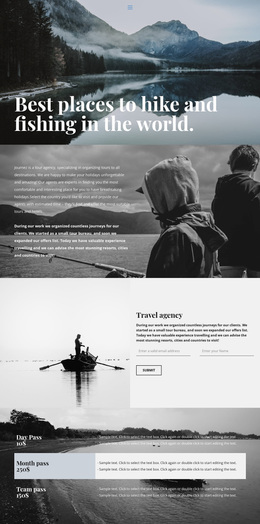
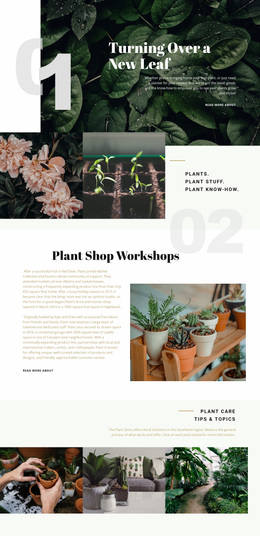
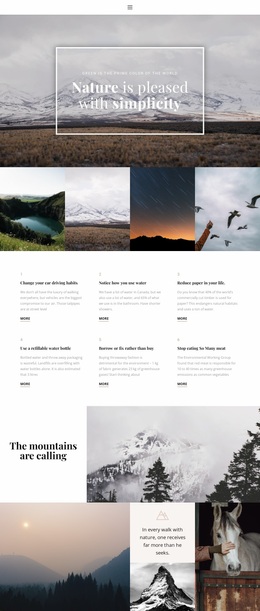
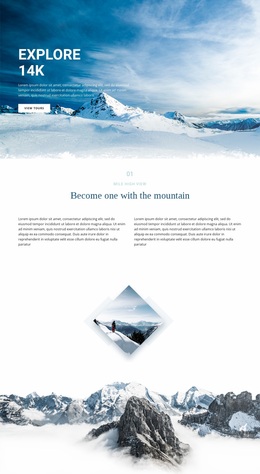
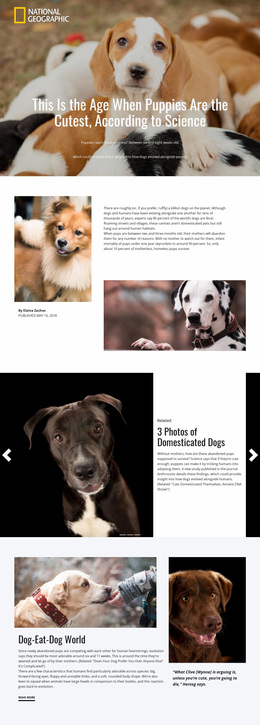
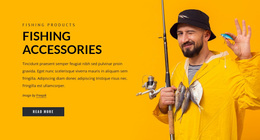
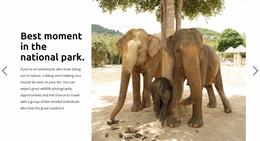
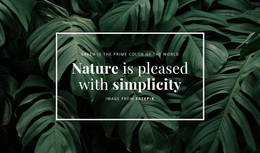
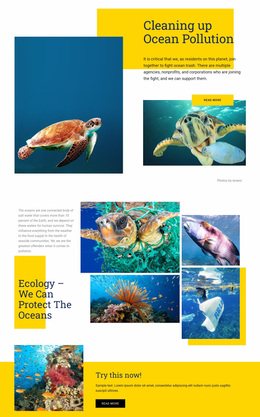
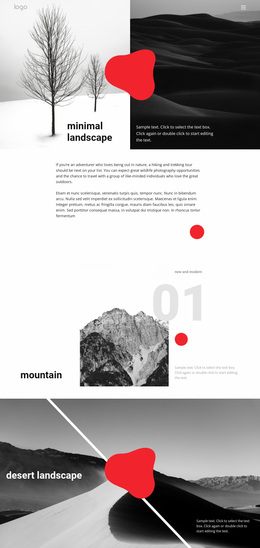
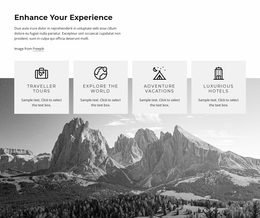
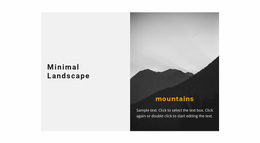
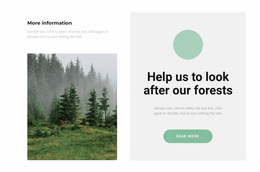
Nature website design is the system that makes several different pages feel like one website. For a wildlife organization, public park, conservation group, or seasonal outdoor brand, that system includes typography, color, photographic direction, navigation, recurring cards, buttons, shared header and footer treatment, and other repeated interface patterns.
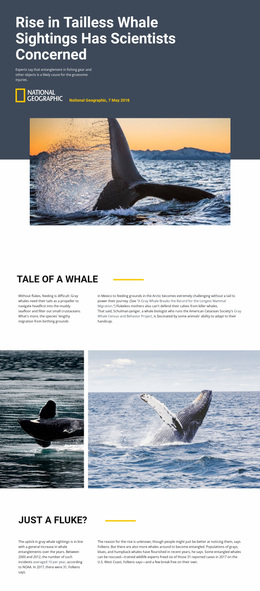
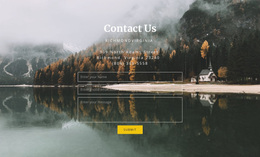
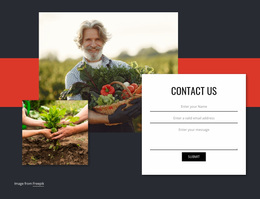
The individual pages can serve very different purposes. Home may introduce the organization; About may explain its mission; Projects may document habitats or fieldwork; Blog may carry updates; and Contact may provide practical information. The design challenge is to keep those page types recognizably connected without forcing them into identical layouts.
Define a Shared Visual Language Across Page Types
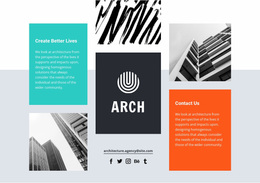
A site-wide design system should establish rules that can survive different content. Heading styles, body typography, button treatment, colors, spacing conventions, image captions, navigation states, and recurring card patterns should feel related wherever they appear.
A wildlife-focused organization can use wildlife website ideas to compare documentary, rescue-oriented, or reserve-focused visual directions. Once the direction is chosen, the typography and palette system should support every page type rather than being reinvented for each new article or project.
Nicepage tools such as Web Typography, Font Scheme, Color Scheme, Theme Settings, and Header & Footer can help with these recurring decisions. The goal is not to prescribe the order of blocks on a single page; it is to provide a stable visual vocabulary that different pages can share.
Create Reusable Interface Patterns for Nature Content
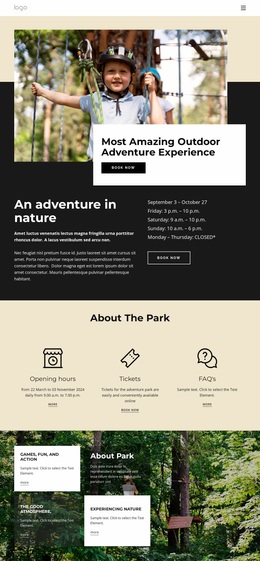
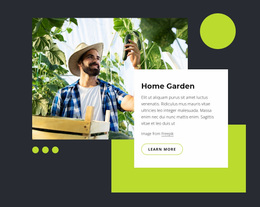
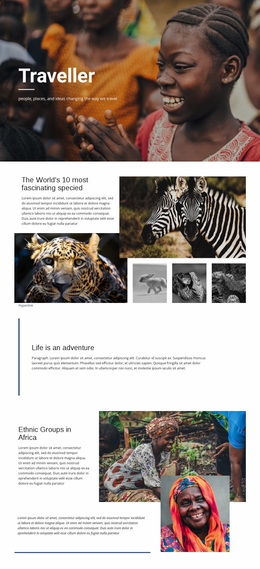
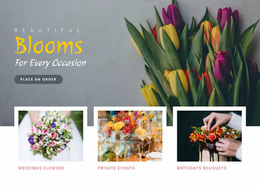
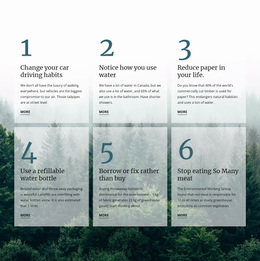
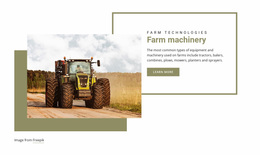
Nature organizations often repeat the same content types across the site. A conservation project may use habitat or project cards in several sections. A wildlife group may repeat species summaries. A park may reuse visitor-information modules, route cards, notices, and event listings. These patterns should look and behave consistently wherever they appear.
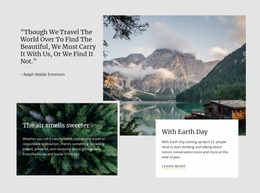
Park website references can help compare visitor-oriented systems where practical information needs to coexist with strong imagery. Shared navigation, consistent card treatment, and recognizable header and footer elements help visitors move between page types without relearning the interface.
Animation can also become part of the common language when it is used consistently. The Animation Effects documentation covers the available controls; interface roles with similar functions should use similar motion rather than unrelated effects on every page.
Set Site-Wide Rules for Nature Imagery
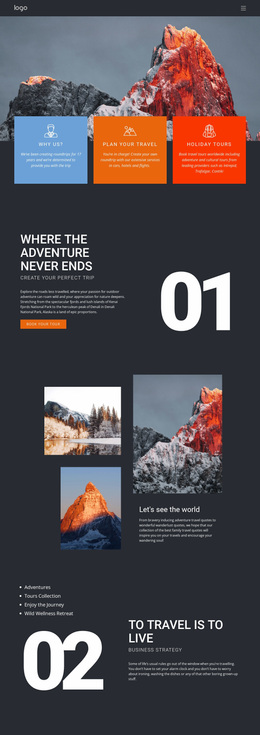
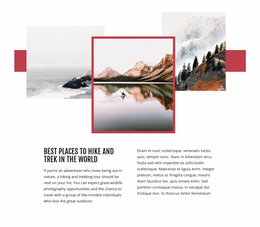
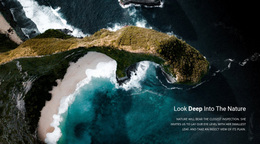
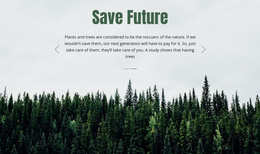
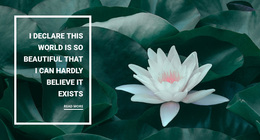
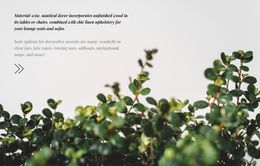
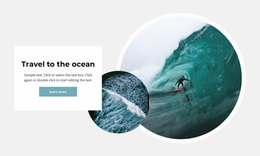
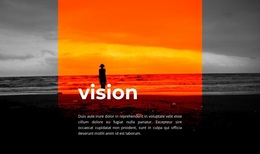
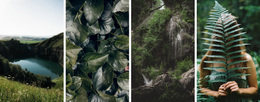
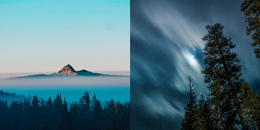
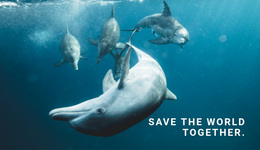
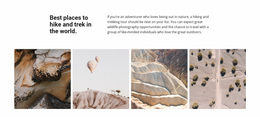
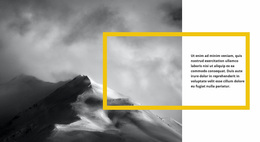
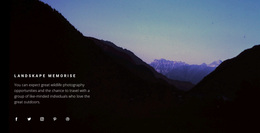
A multi-page nature website can contain wildlife close-ups, wide landscapes, field documentation, educational diagrams, and seasonal photography. Without shared image rules, those assets can make the site feel fragmented even when the colors and fonts match.
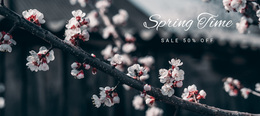
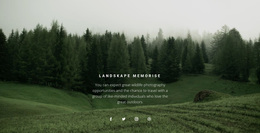
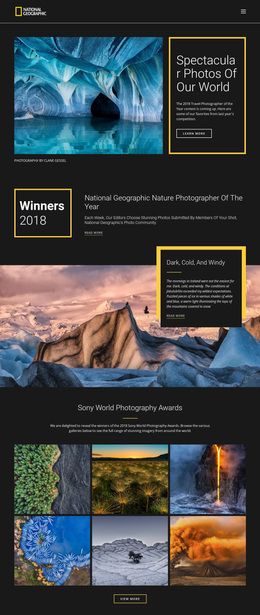
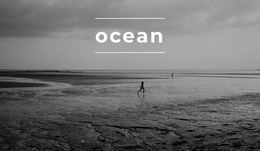
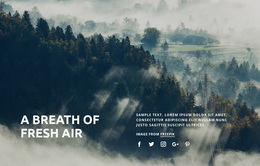
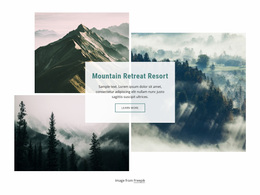
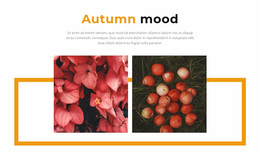
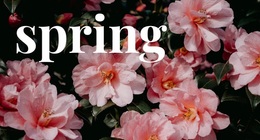
Define a photographic direction: documentary versus promotional; close-up versus panoramic; restrained versus saturated; and consistent approaches to cropping, contrast, captions, and gallery treatment. A spring website direction can inspire a seasonal image tone, while the same image rules should apply across relevant site pages.
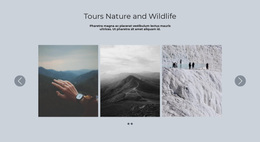
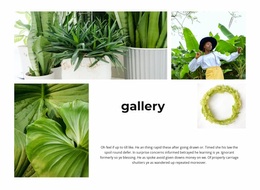
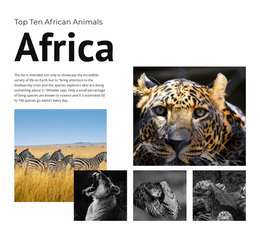
The Image Gallery Element can support a repeatable gallery treatment for habitats, projects, wildlife, or seasonal collections. The Image Gallery Element workflow provides a consistent way to present those collections without having to invent a new gallery style on every page.
Compare Whole-Site Nature Design Systems
A wildlife reserve, a public park, and a seasonal outdoor brand may all use nature photography but need very different systems. A reserve may prioritize documentary credibility and species information. A park may need clear practical navigation and visitor modules. A seasonal brand may rely on stronger promotional color, campaign imagery, and repeated product or activity patterns.
Compare those directions at the website level: typography system, palette, navigation language, shared components, imagery rules, header and footer treatment, and how recurring content remains recognizable across Home, About, Projects, Blog, Contact, and related pages.
Nature Website Design Questions
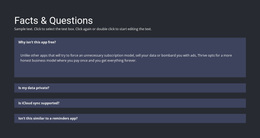
What should stay consistent across a multi-page nature website?
Typography, palette, navigation treatment, buttons, recurring cards, imagery rules, and shared header and footer elements should remain recognizable across different page types.
Can Home, Projects, and Blog pages use different layouts?
Yes. Their content roles differ, so their layouts may vary. They should still inherit the same visual language through typography, colors, navigation, imagery treatment, and repeated interface patterns.
How can habitat or project cards stay consistent across the site?
Define one recurring card pattern for typography, image treatment, metadata, spacing, and actions, and reuse it wherever similar habitat or project content appears.
Should all nature pages use identical photography?
No. Subjects can vary widely, but cropping, contrast, caption treatment, and the broader photographic direction should ensure the imagery feels cohesive across the website.
Why are shared header and footer patterns important?
They provide a stable frame as visitors move between pages and keep navigation, identity, contact information, and common links visually consistent throughout the site.
Build One Nature Design System for the Whole Website
Define the typography, palette, imagery rules, navigation, repeated interface patterns, and shared site elements first. Then apply that system across different page types so conservation reports, field updates, educational content, visitor information, and project pages can vary in purpose while still belonging to the same nature website.