410 Testimonials Website Designs









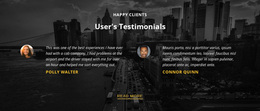
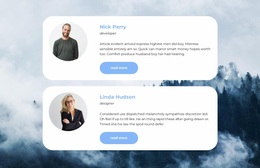
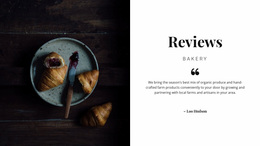
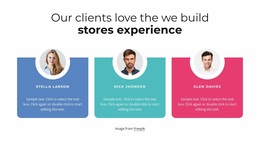
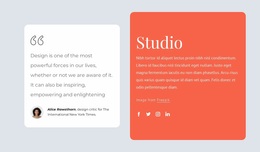

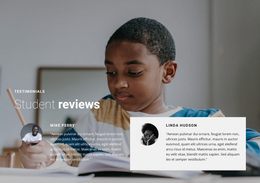
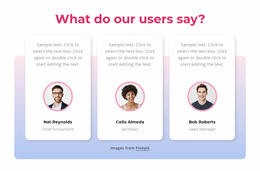








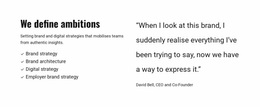

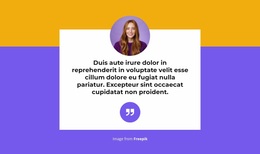
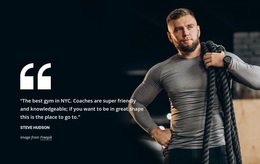
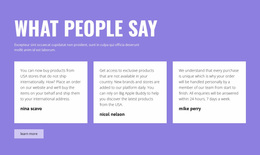
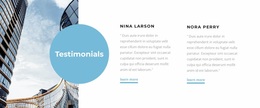
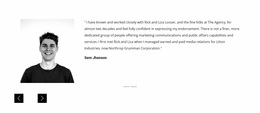










Creative Testimonials Website Design for a Consistent Visual Identity
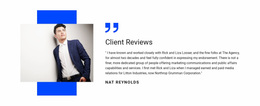
Testimonials Website Design helps customer feedback become a recognizable part of a website's visual identity. A testimonial section presents quotations, author names, and optional portraits, but its typography, colors, and card treatments should also feel connected to the surrounding design. The challenge is maintaining that consistency without making every customer experience look like generic promotional copy.
A distinctive testimonial style can support a minimal, editorial, warm, or formal website identity. The quotation remains the most important element, while backgrounds, spacing, and attribution treatments establish a visual relationship with other sections across the project.
Minimal, Editorial, and Image-Led Testimonials
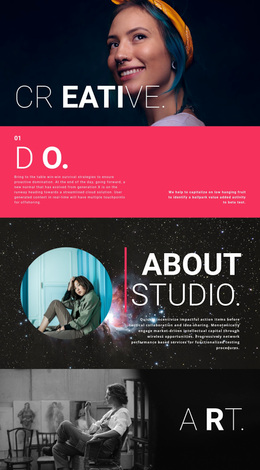
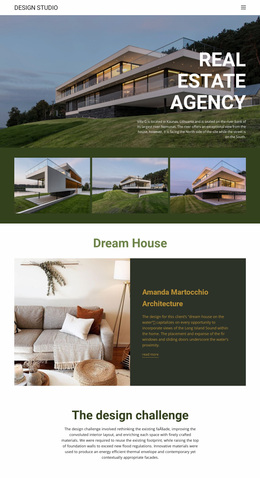
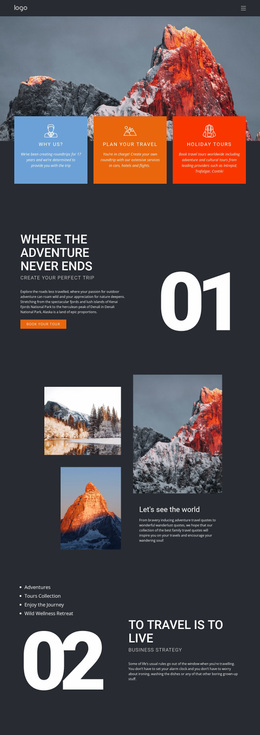
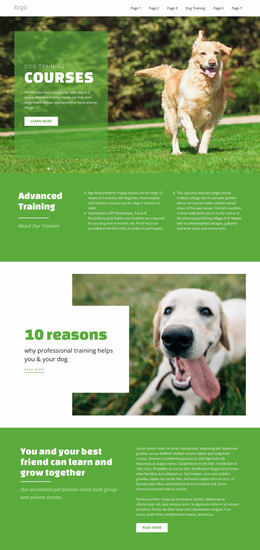
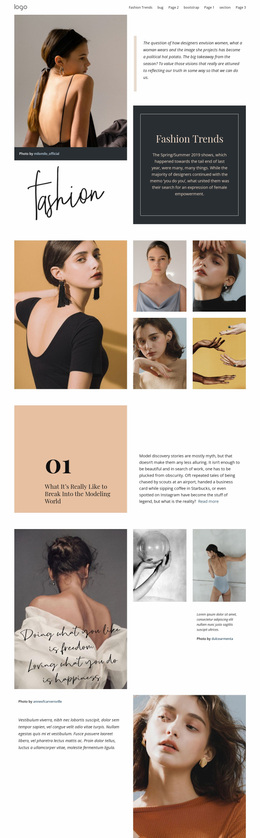
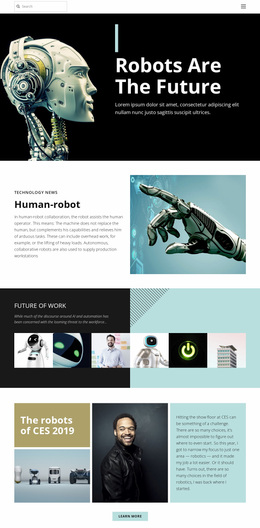
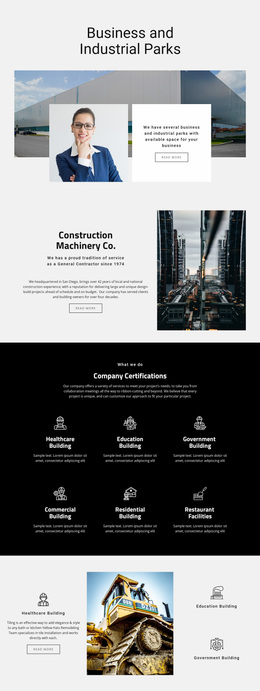
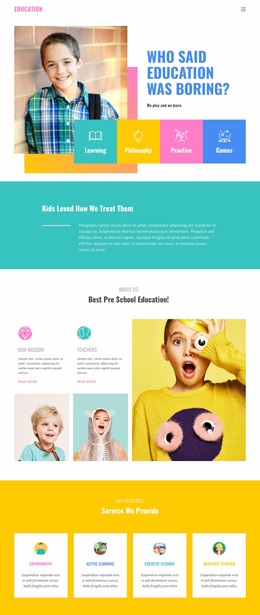
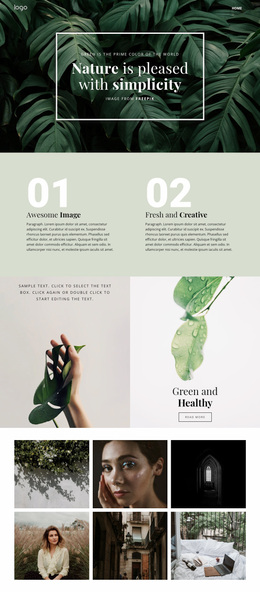
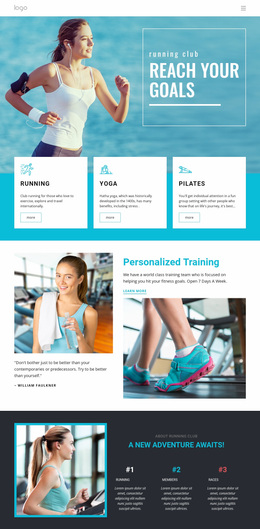
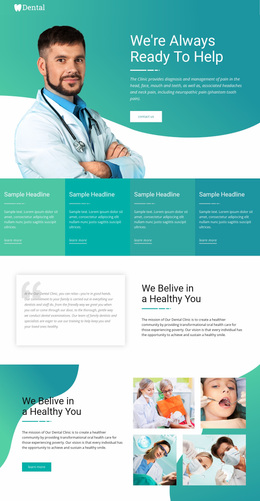
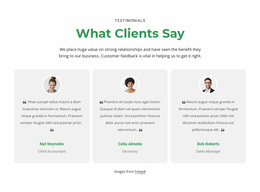
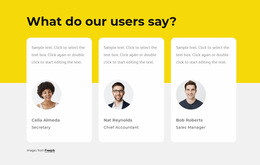
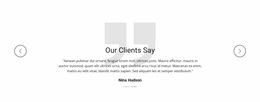
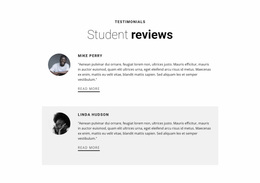
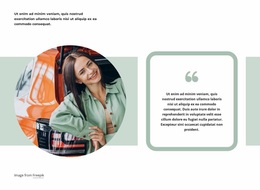
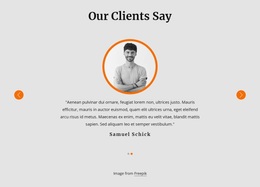
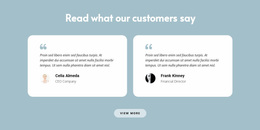
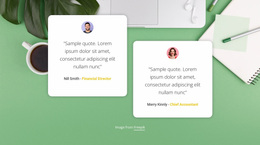
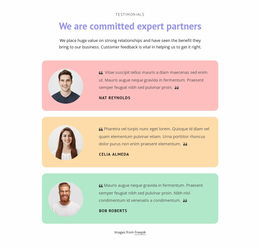
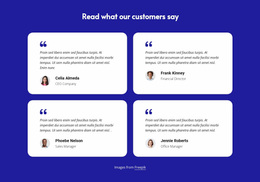
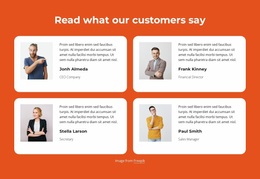
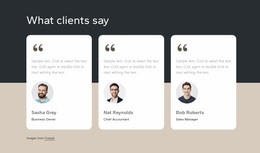
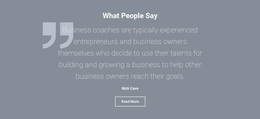
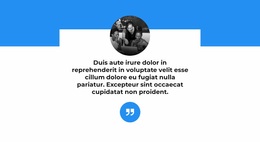
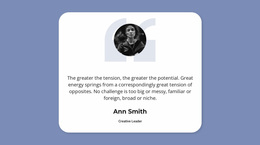
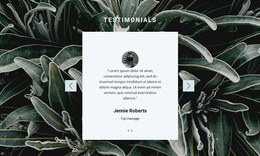
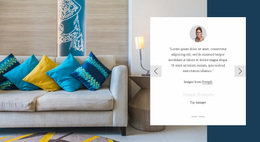
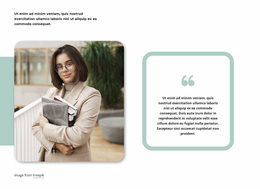
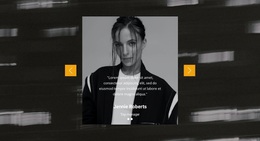
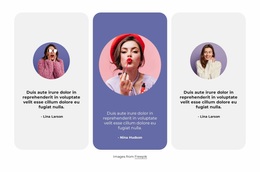
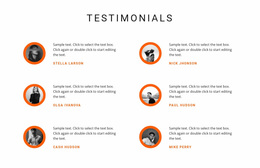
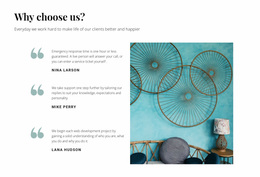
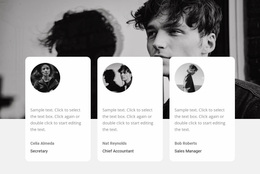
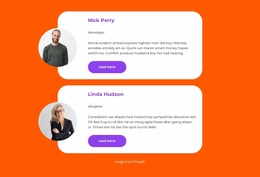
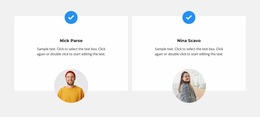
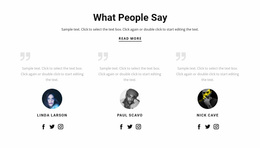
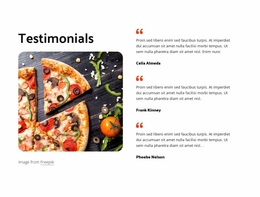
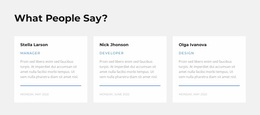
Testimonials Website Design spans several visual moods. Minimal cards feel restrained, editorial compositions use expressive quotations, corporate panels are orderly, and image-led sections emphasize customer portraits. A treatment that already feels close to the site's aesthetic will need less adjustment.
The main elements include:
- Customer quotation: The central statement, styled for comfortable reading.
- Author attribution: A name and optional role that remain connected to the quote.
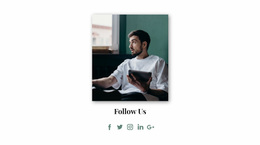
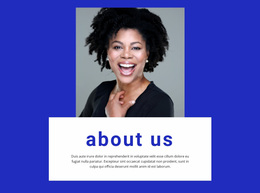
- Customer portrait: An image treated consistently with other photography on the site.
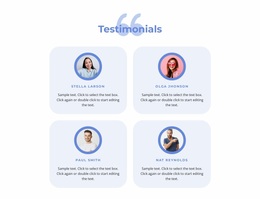
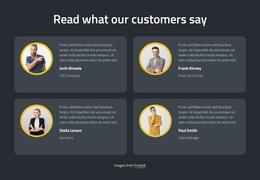
- Testimonial cards: Repeated containers that share recognizable spacing, backgrounds, or borders.
- Supporting details: Verified ratings or company information when relevant.
The website's broader style provides a foundation, but testimonial details still matter: the quotation needs a distinct level of emphasis, and the author's identity must be easy to find. Longer statements can use open panels while short reviews share a more compact pattern.
The Character of a Testimonial Section
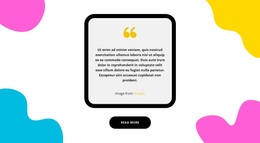
The same testimonial arrangement can feel editorial, restrained, or expressive through its typeface, color palette, image treatment, and contrast. An editorial quotation might use a strong typographic accent; a minimal treatment may rely on neutral backgrounds and subtle borders. These styling choices establish the website’s visual language, even when the content structure is similar.
The Nicepage Text Element supports the quotations and attribution within testimonial blocks. Use text styling to distinguish the customer's words from their name while keeping the broader website's typography.
Different visual directions include:
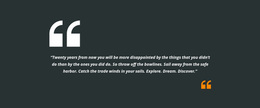
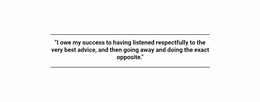
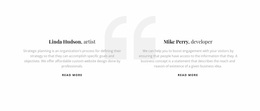
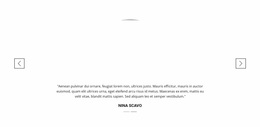
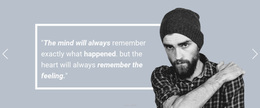
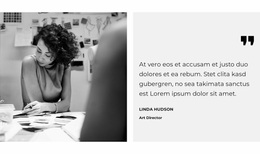
- Editorial quotations: Larger text with generous whitespace and understated attribution.
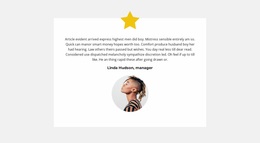
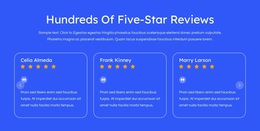
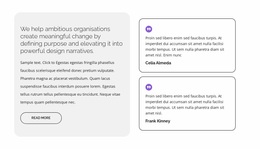
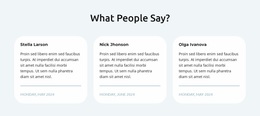
- Minimal review cards: Simple backgrounds, restrained borders, and consistent text alignment.
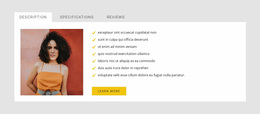
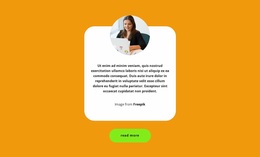
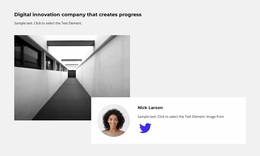
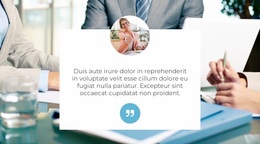
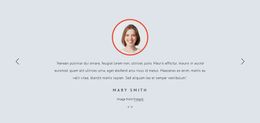
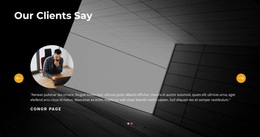
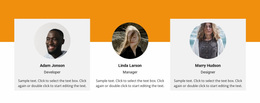
- Portrait-led testimonials: Customer images combined with quotations and identifiable author details.
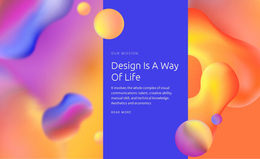
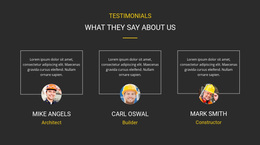
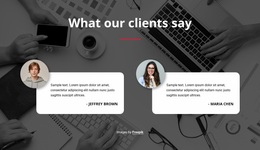
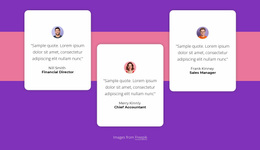
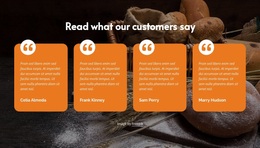
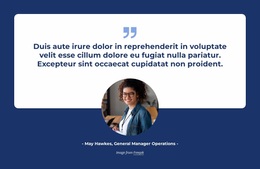
- Contrasting quote panels: Background colors that distinguish feedback without breaking the website's visual language.
The testimonial design examples provide further directions for presenting customer experiences. Whatever style you select, the quotation must remain recognizable as a customer's statement, not an anonymous promotional headline.
Color, Contrast, and Portraits in Context
A testimonial design can look great in isolation but clash with the site's colors or photography. Its background treatment, contrast, and dependence on portraits should make sense with the assets already available.
Nicepage Theme Colors help maintain a consistent color scheme across the project. This is particularly useful when testimonial cards use colored backgrounds, quotation accents, or contrasting attribution details.
The main points to compare are:
- Background and contrast, including gradient or solid-color cards.
- Typography scale in relation to the site's other text sections.
- Portrait treatment when genuine reviewer photographs are available.
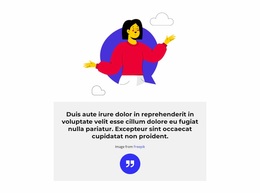
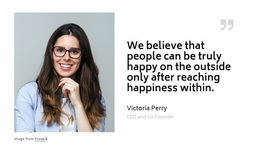
A quote-focused layout may offer an alternative visual direction, but testimonials require identifiable customer sources. Decorative quotation treatments should reinforce the feedback, not replace its meaning.
Flexible Designs for Uneven Review Lengths
Look beyond the sample quotations. A strong visual treatment keeps typography, background accents, and portrait styling coherent even when authentic feedback varies in length. A design with sufficient space for text and clear author treatment will be easier to adapt than a decorative composition dependent on identical placeholders.
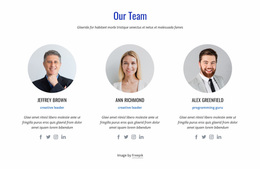
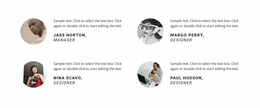
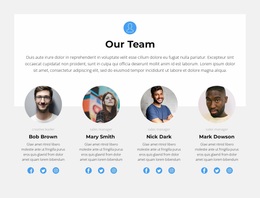
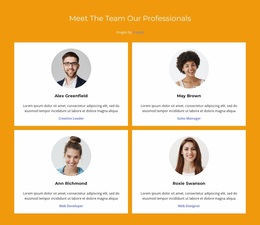
A Team section introduces organizational members through names, portraits, and roles. A Brands section communicates affiliations through recognizable marks. Testimonials instead present customers' own experiences through attributed statements.
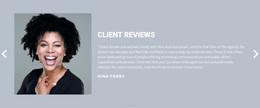
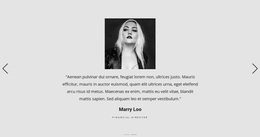
A Slider may display several reviews sequentially, but the interaction does not define the section. The essential relationship remains between the customer's words and their identity.
The strongest testimonial-specific treatment combines the site's recognizable visual language with credible, identifiable customer voices.
Testimonials Website Design FAQ
Can I keep testimonial colors consistent with the rest of my Nicepage website?
Yes. Nicepage allows you to configure Theme Colors in Site Settings. These establish a global color scheme across the pages in your project, helping testimonial backgrounds and accents follow the same visual identity as other sections.
Can I change typography across my website without editing every testimonial separately?
Nicepage provides a Fonts Scheme and Typography Styles in Site Settings. You can modify these styles across the project and adjust Typography Styles for individual Responsive Modes, helping customer quotations maintain a consistent appearance.
Is it acceptable to combine different visual design trends in testimonial sections?
Yes, as long as the result keeps colors and fonts consistent and doesn't overload the composition. A testimonial block can use expressive quotation typography or understated cards, but its appearance should still belong to the website's overall design language.
How do I distinguish a testimonial section from a Team section while keeping the same website style?
Keep the attributed customer quotation as the primary content of the testimonial. A Team section focuses on staff identity and organizational roles, while Testimonials present customer experiences. Nicepage Text Elements can support the quotation and author details without changing that functional distinction.
Give Customer Testimonials a Consistent Website Style
Choose a Testimonials block that suits the available customer statements, then open it in the Nicepage editor. Replace sample quotations with genuine feedback, establish clear author attribution, and adjust the section's typography and colors to match the broader project.
A well-designed testimonial section should feel visually connected to the website while preserving each customer's individual voice. Consistent styling makes the feedback recognizable without turning authentic experiences into generic decorative content.