

Recipe Website Templates
A growing collection of dishes deserves more than a single recipe page. Ready-made cooking website layouts connect meal categories, author profiles, and editorial content, giving visitors multiple ways to discover their next meal.





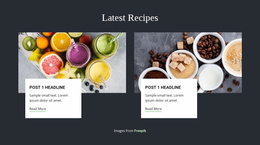




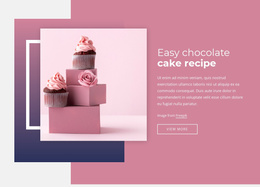
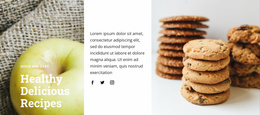


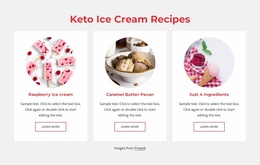












More Website & HTML Templates for Recipe




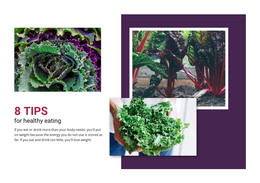
More Website Templates from Food & Restaurant Category
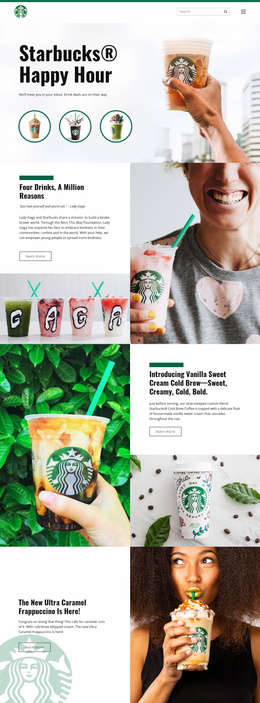
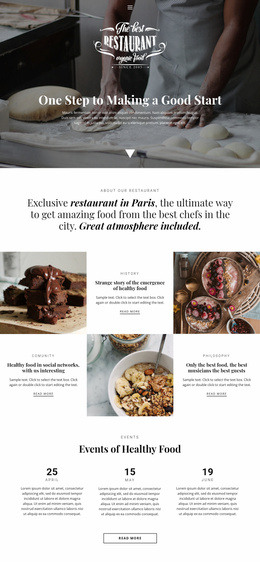
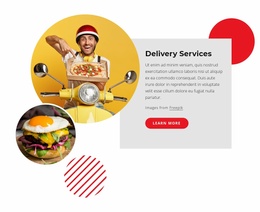
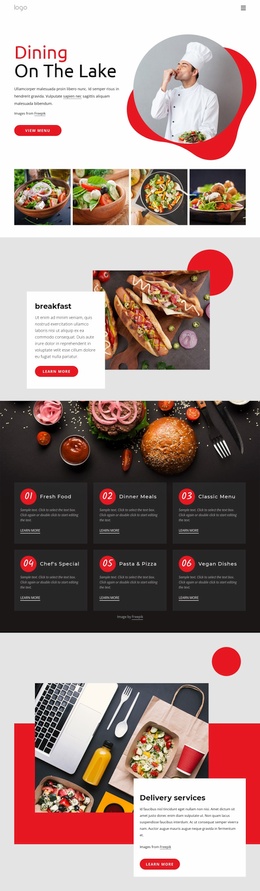
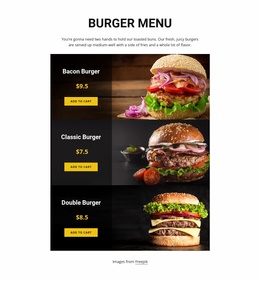
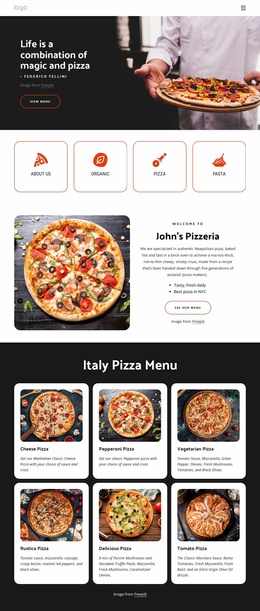
Other Food & Restaurant Website Templates
Ready-To-Use Recipe Website Templates
A growing recipe collection can become difficult to navigate when every new dish appears in the same section. Recipe website templates offer coordinated designs for an author's food blog, an online cookbook, or a culinary magazine. Instead of assembling unrelated pages, you can select a website whose homepage and supporting layouts already share a consistent appearance. Visitors can then discover dishes through dedicated collections and return to familiar sections as new content appears.
Website Structure for Culinary Collections
An independent recipe author may prefer a welcoming homepage with a personal introduction and a few featured collections. A culinary magazine covering several cuisines needs more room for editorial highlights and distinct categories. Review the available page layouts before deciding which website type best fits your publishing plans.
Depending on the project, a suitable website template may accommodate:
- A homepage featuring seasonal recommendations and popular collections.
- Category pages dedicated to cuisines, meal types, or dietary preferences.
- Collection pages for weekly menus and themed recipe selections.
- An About page introducing the author or editorial team.
- A blog or editorial section for culinary stories and kitchen advice.
A family cooking resource might emphasize lunchbox ideas and affordable dinners, whereas a regional food magazine could give individual cuisines their own dedicated pages. The most useful website design accommodates these differences without making navigation unnecessarily complicated.
Navigation Across Recipe Categories
Consider how easily visitors can move between related collections. A design that supports nested navigation is particularly useful when broad culinary topics contain several smaller categories. Check the navigation in the preview in this order:
- Start at the homepage and locate the main recipe collections.
- Follow a category to a more specific selection of dishes.
- Check whether supporting pages remain easy to reach.
- Return to the main collection and see whether the navigation remains consistent.
Use a Menu With Submenu to group related pages under parent navigation items. For example, a Desserts section may contain separate pages for cakes, cookies, and frozen treats.
Expanding Your Online Cookbook
A food website may eventually include ingredient guides, interviews, or kitchen equipment reviews alongside its recipes. Supporting page layouts are especially valuable when these additions need to retain the character of the entire site.
Nicepage provides a central Dashboard for managing website pages. Additional pages can extend the original design as your publication develops.
Regular publishing makes expandable category and editorial pages particularly valuable. A coordinated set of pages will be more useful in the long run than a striking homepage with little space for the rest of your cookbook.