
Meat Website Templates














More Website Templates from Food & Restaurant Category
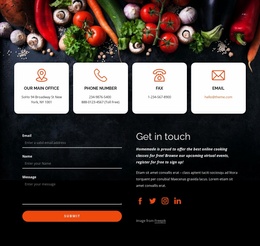
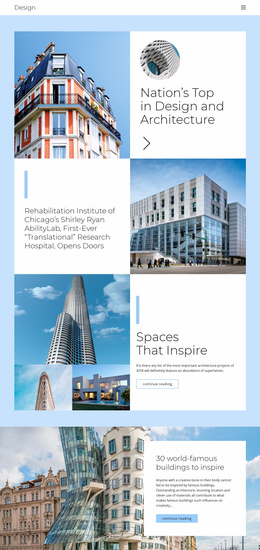
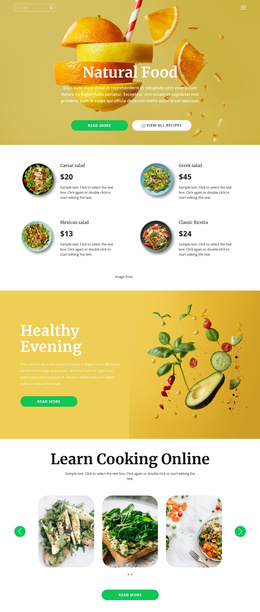
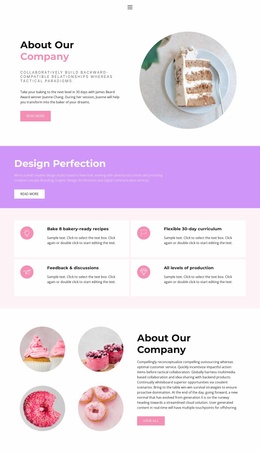



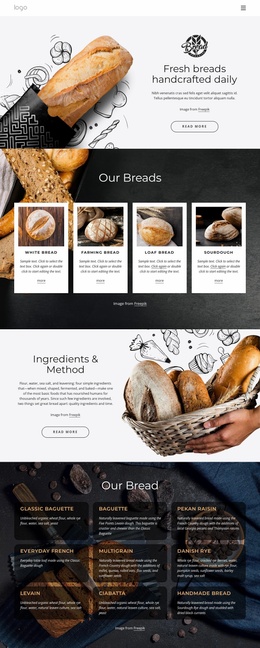
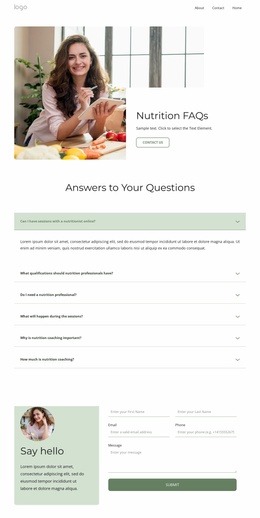
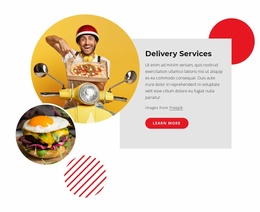
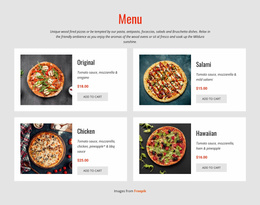

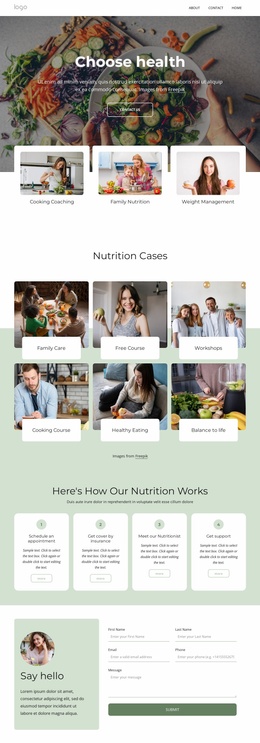

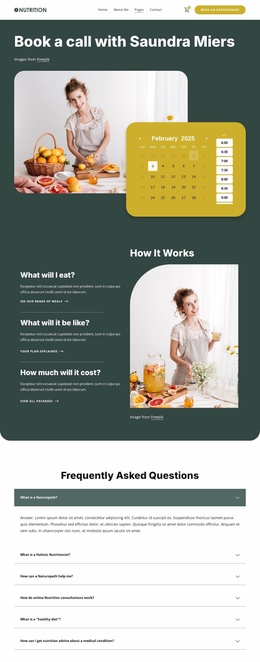
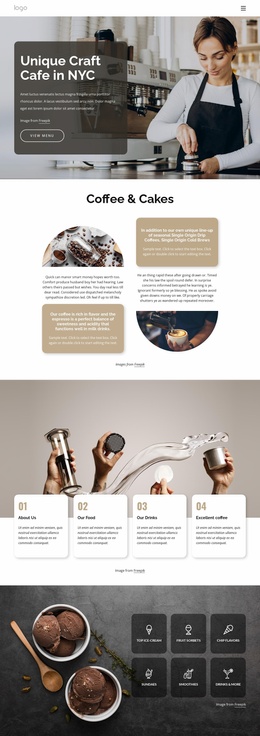
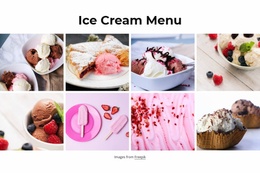
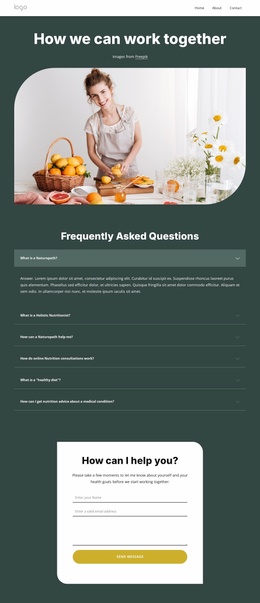
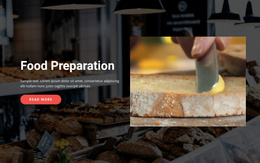
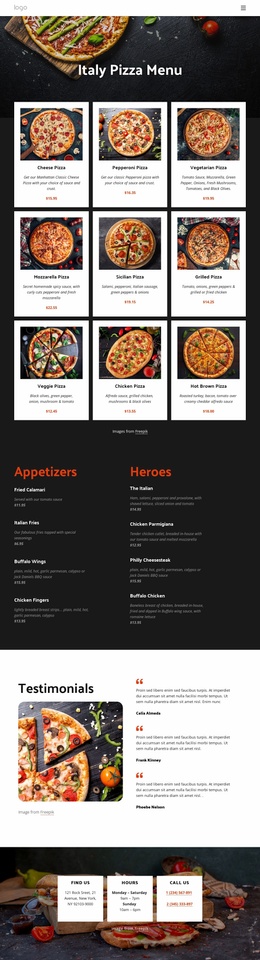
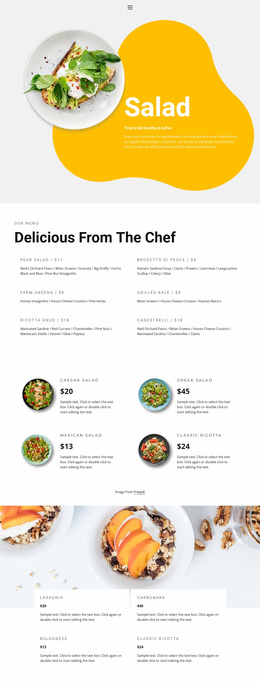
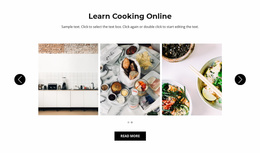
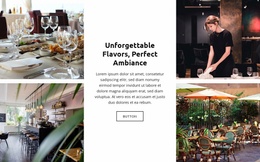
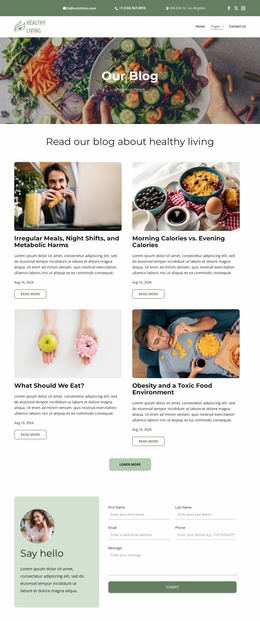
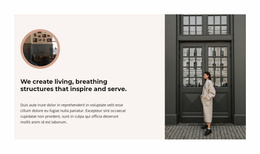
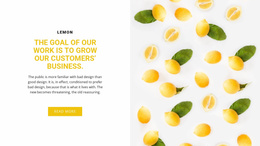
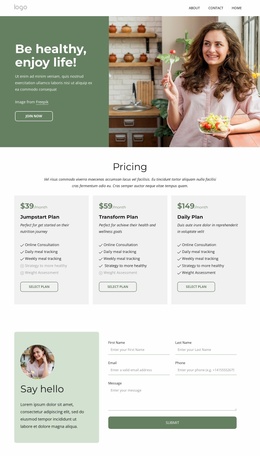
Other Food & Restaurant Website Templates
Performance-Driven Meat Website Templates
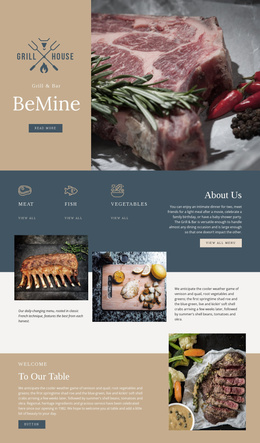
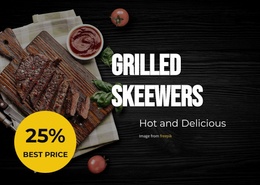
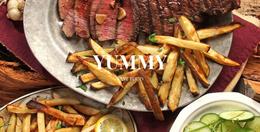
Approximately 94% of consumers can spend more on meat if the right product comes to market at the right time. Global meat volume increased 2% year over year. Meat website templates help butcher shops, farms, restaurants, meat suppliers, grocery stores and delivery services turn this demand into real orders. Butcher shop site layouts can show fresh cuts, weights, prices and terms for pickup. A farm can tell you what is in its product, how it cares for its animals, and what standards it has to provide quality.
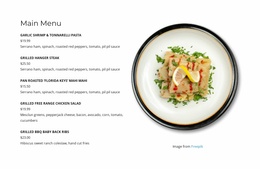
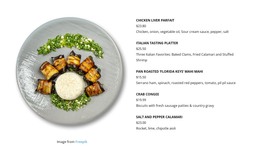
Restaurants can upload menus, chef’s specials, table reservation forms, and delivery details. Wholesale suppliers can include certificates, minimum order quantities, service areas, and quote forms for business clients.
Professional Pages for Meat Businesses
A nice home page is not all there is to a meat business website. Customers may want to compare cuts, check pack sizes, find out where the meat comes from or see if delivery is available. Wholesale request options, minimum quantities and service regions are often needed by trade buyers. A clear structure of the pages leads every visitor from the main offer to the details that make him want to buy or inquire.F
Here is the list of the main sections of meat delivery business site:
- Product Catalog
- Supplier Story
- Service Terms
- Contact Details
The product catalog can break up beef, poultry, lamb or prepared items into easy-to-scan groups. An about page allows a business to describe its standards for sourcing, its relationships with suppliers, and its production experience. Service pages explain how customers may collect orders, arrange for local delivery or request regular trade supply. Then, the contact page gives you opening hours, where they’re located and ways to enquire, all in one handy place.
User-Friendly Catalog Structure and Trust Details
Visitors may also want to know where the products come from, if delivery can reach their area, and how each product should be stored. Clear trust details also make first-time buyers feel more confident to order.
A meat site must answer practical questions before a customer calls. Add these seven content elements:
- Source Details
- Delivery Areas
- Storage Advice
- Customer Reviews
- Secure Orders
- Allergen Notices
Source details tell you the farm, supplier or region where each product was produced. Cut and pack information enables customers to compare weights, quantities and suitable applications. Delivery areas give clear expectations, while storage advice tells you how long products will stay fresh and if freezing is recommended.
Start Your Meat Website With the Right Layout
Compare Nicepage designs by product range, sales model, and audience. View collection of meat website templates. Pick a site, swap out the demo content and add your own meat catalog. Give customers a clear place to learn about your products and take the next step.