

Taxi Html Code Examples
Taxi operators with existing dispatch software often need direct control over website code. Exportable HTML files allow developers to adjust ride request interfaces, connect external services, and deploy transport pages within an established technical environment.
-

-

-
-
-
-
-
Customize Any TemplateDownload
-
-
-
-
-
-
-
-
-
-












More Html Code Examples from Cars & Transportation Category








Other Cars & Transportation Html Code Examples
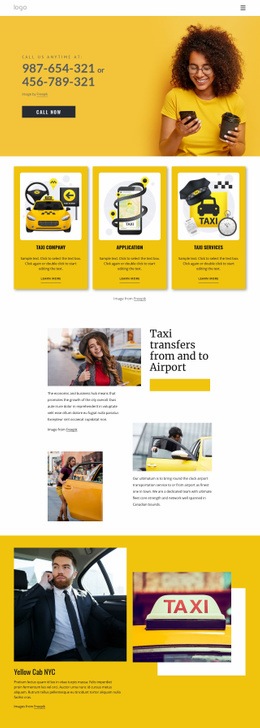
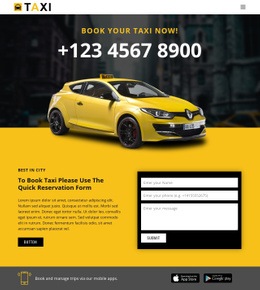
Clean Taxi HTML Code
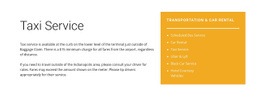
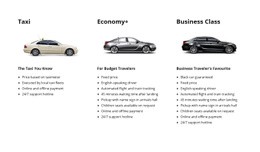
Taxi HTML code gives transport businesses a ready-made page design together with access to the markup behind it. That combination suits both new taxi websites that need flexible passenger inquiry sections and existing sites that need space for an established booking service. Choose a layout that presents the rides and contact information you offer, then assess whether its exported HTML can accommodate the specific changes your team anticipates.
Choose a Taxi Layout You Can Adapt
Inspect whether the existing request section is identifiable in the exported markup. For a scheduled airport service, the team may need to add a flight-number field, a pickup reference, or an additional passenger note. These are examples of changes enabled by source access, not built-in reservation features or instructions that every buyer must implement.
A new taxi project may use the editable inquiry area as a starting point, while an operator with a third-party booking widget may need space for that provider’s interface. The widget still requires its provider's supported integration workflow; the template offers an appropriate visual starting point and editable files, not a preconfigured connection.
Exportable Files and Source Control
For projects requiring access to website files, Nicepage supports HTML website export, including HTML, CSS, JavaScript, and image assets. This lets a developer inspect or modify the chosen design outside the editor. Export is a workflow feature; it does not mean the template includes a working taxi dispatch system.
Before selecting a layout, confirm that its exported files include the stylesheets, scripts, and images needed to preserve the finished taxi design. Readable form markup and a self-contained inquiry section can be useful whether the team is launching a new site or adapting an established one.
What to Inspect in a Ready-Made HTML Design
When reviewing the preview and the editable output, focus on five practical qualities:
- Source availability: Editable HTML files for the selected transport design.
- Asset completeness: Accompanying stylesheets, scripts, and images needed to display the page.
- Form editability: Markup that can accommodate a flight number, pickup reference, or other needed field.
- Widget space: A suitable location for a separate booking provider's interface.
- Existing-site fit: Source files the team can adapt while retaining the chosen transport design.
These criteria help new projects retain control of their source files and existing operators fit a ready-made front end into their established workflow. The template can supply the visible interface and editable markup; confirmed reservations and driver allocation remain functions of the separately configured service.
The best taxi HTML code option combines a transport-ready appearance with source files that support the particular edits a new or existing project requires. That direct control over markup is its practical value beyond simply choosing an HTML page layout.