
Resume Templates
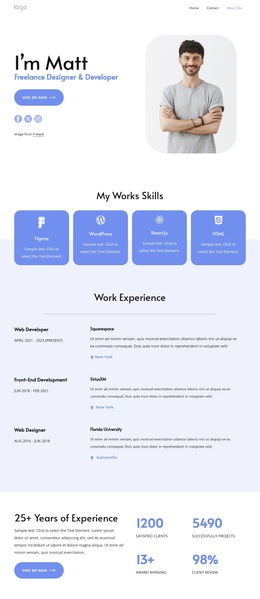
A graduate, freelancer, manager, and technical specialist may need very different emphases in their resumes. A varied collection of templates makes it easier to compare layouts by career stage, content density, project visibility, and the level of professional detail each page must support.


















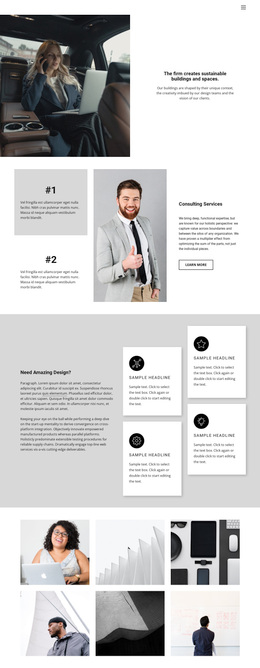
More Website & HTML Templates for Resume

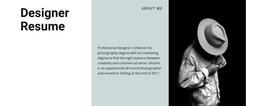

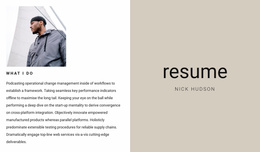
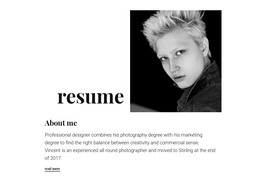
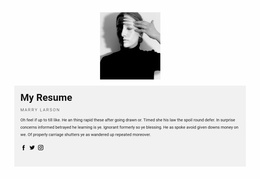
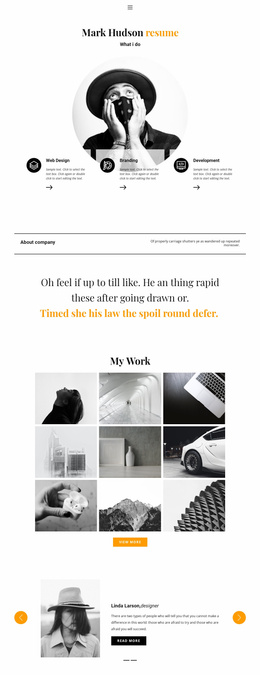
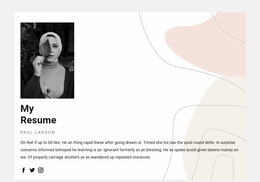
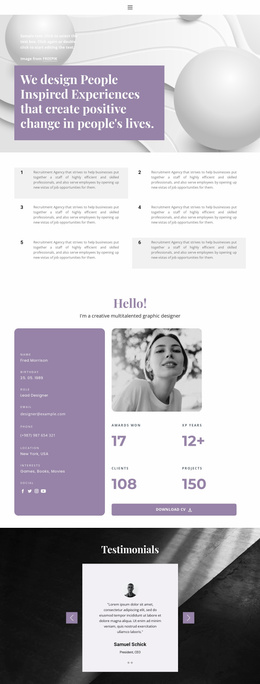




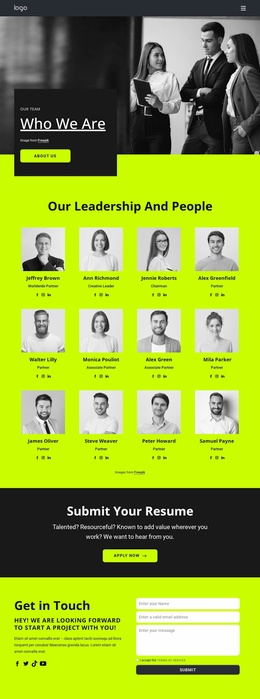
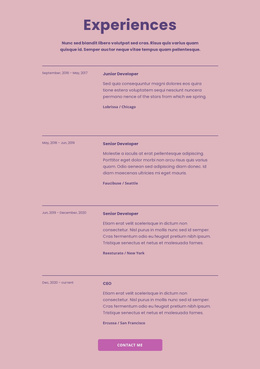
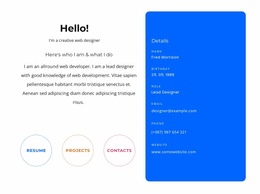
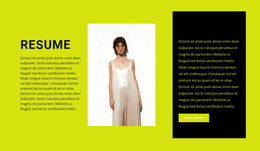

More Templates from Business & Law Category



























Other Business & Law Templates
Creative Resume Templates for Different Career Profiles
These are resume templates for the web rather than documents made for printing: you publish one, send it as a link, and point to it from a profile or an email signature. The choice between them is mostly a choice of visual style, and every style assumes a different kind of career story.
They give job seekers, specialists, freelancers, and consultants different starting points depending on what their case rests on: a long employment record, a body of visual work, or a reputation as a specialist.
Four Styles and What They Assume
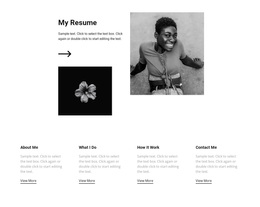
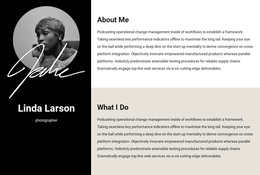
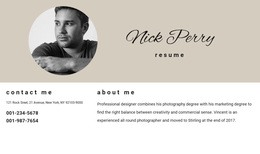
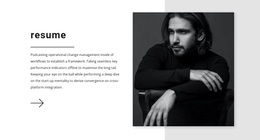
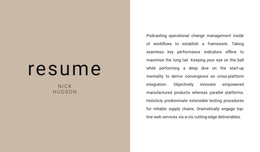
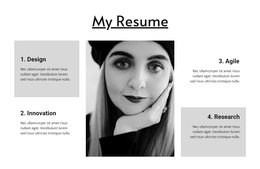
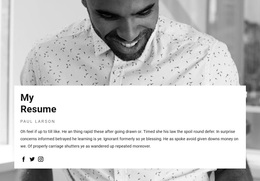
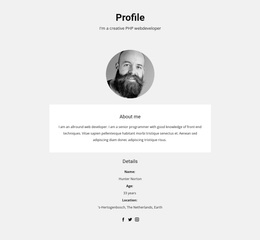
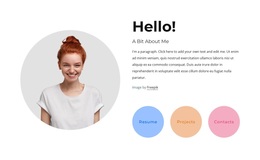
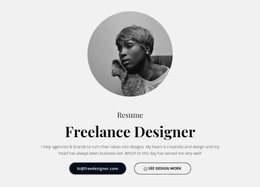
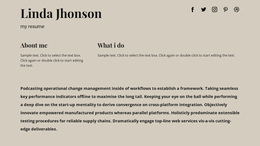
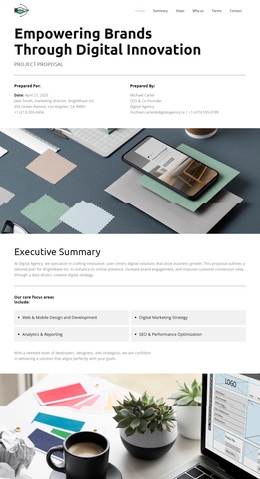
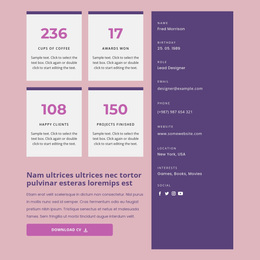
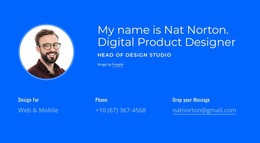
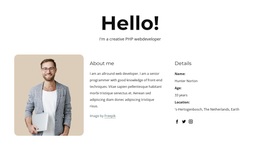
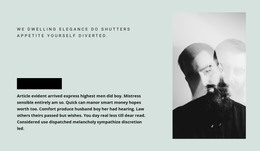
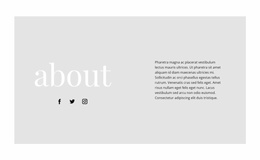
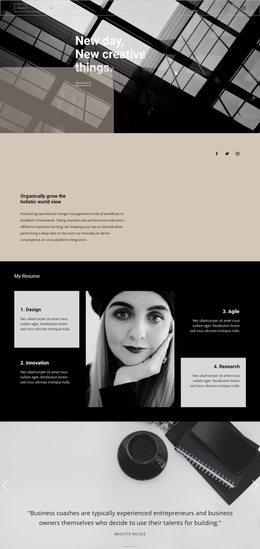
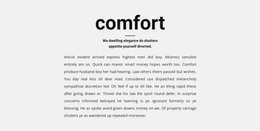
A minimalist template relies on typography, spacing, and a single accent color. It assumes your material is text: roles, dates, responsibilities, results. Little competes with words, which are unforgiving when vague and effective when specific.
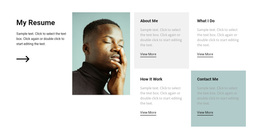
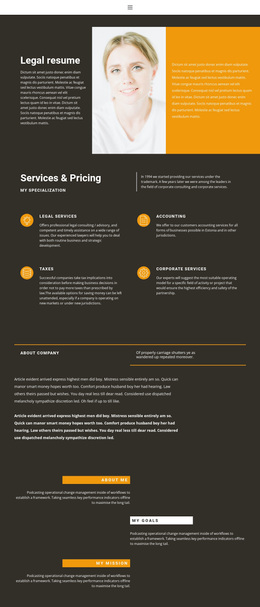
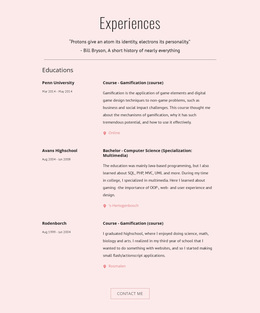
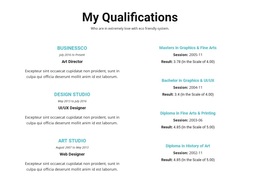
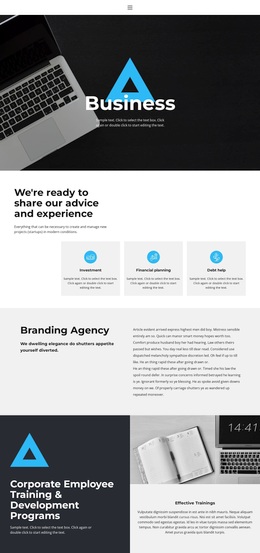
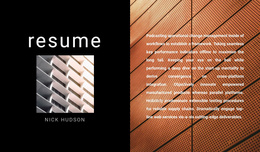
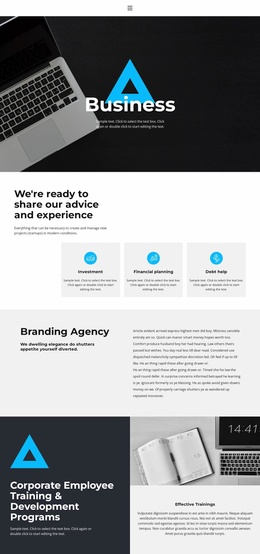
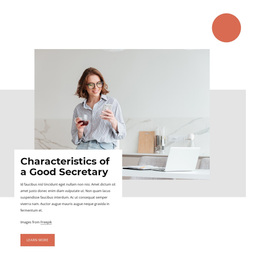
A classic template keeps a conservative structure: clear sections, restrained typography, employment history first. It reads as expected in finance, law, healthcare, and public sector applications, where an unusual layout costs more than it gains.
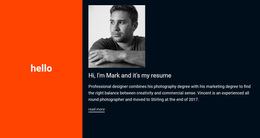
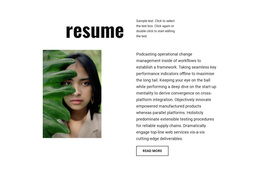
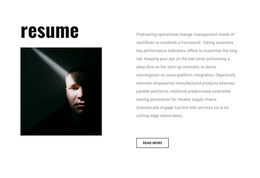
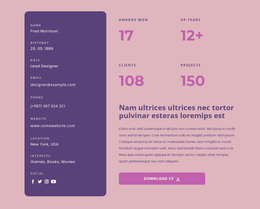
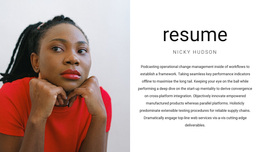
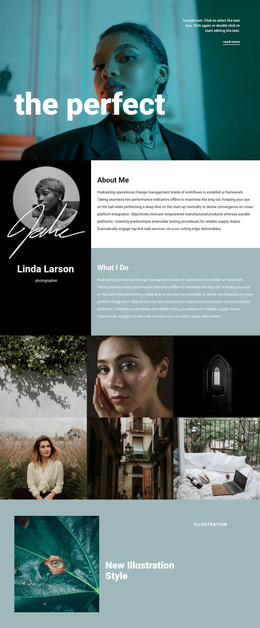
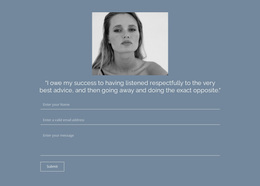
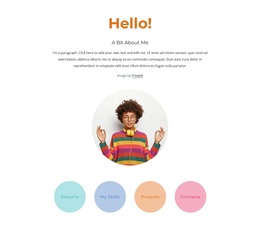
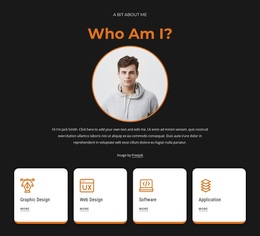
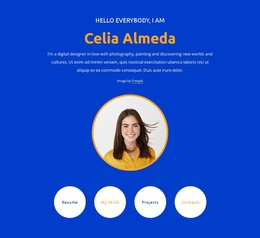
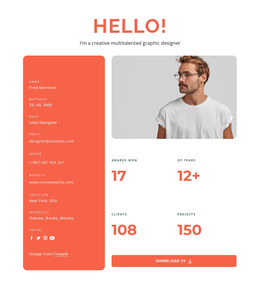
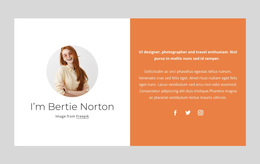
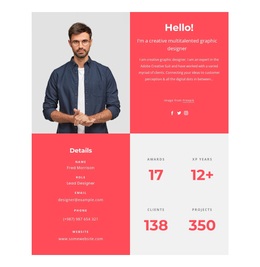
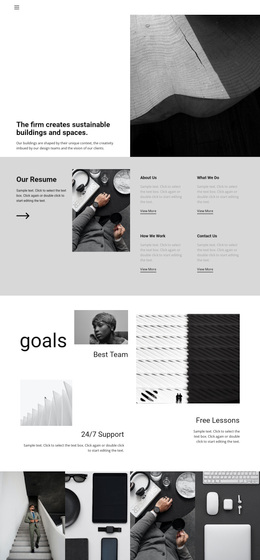
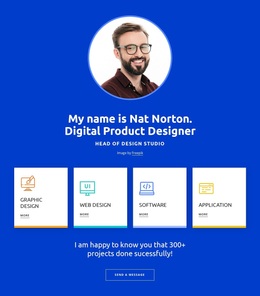
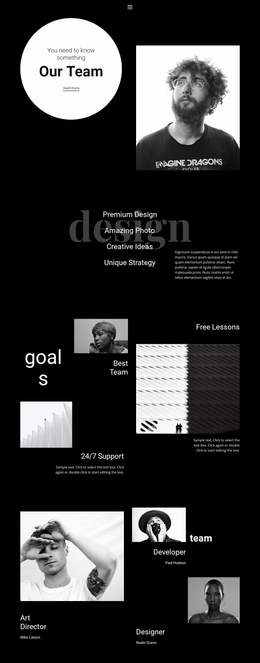
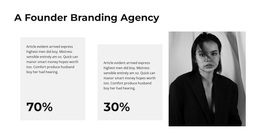
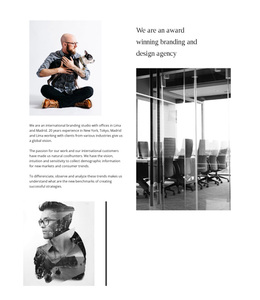
A creative template treats the page as a design object: asymmetric composition, large type, color blocks, motion. It works where visual judgment is part of the assessment and looks misplaced where it is not.
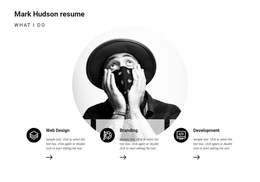
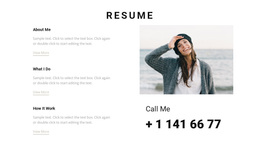
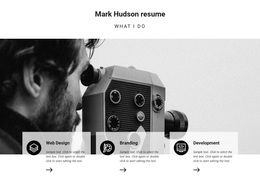
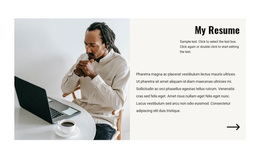
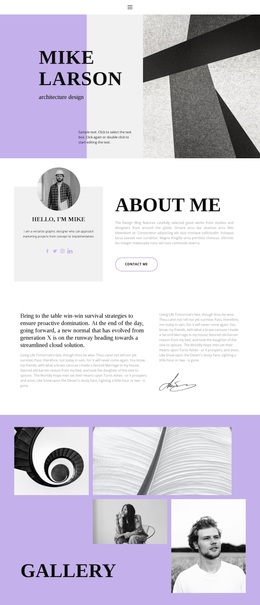
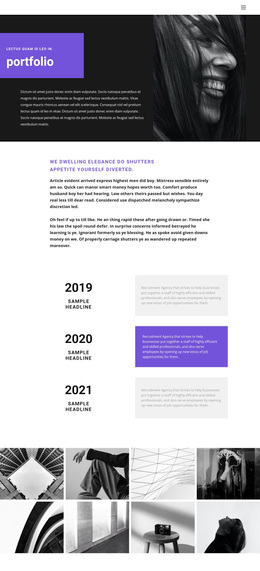
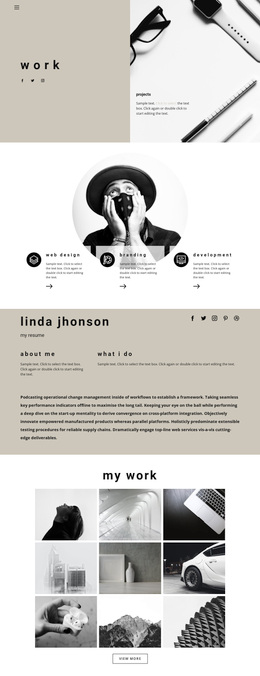
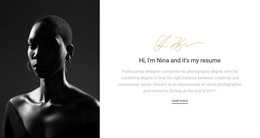
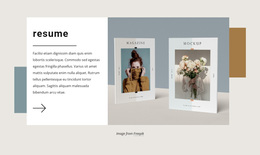
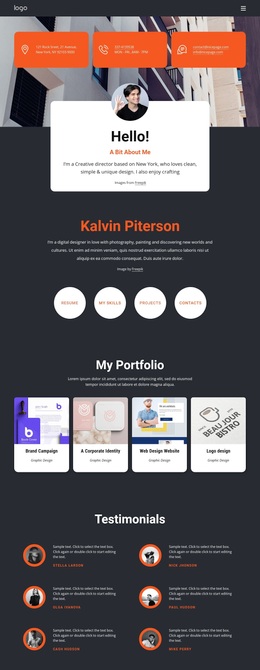
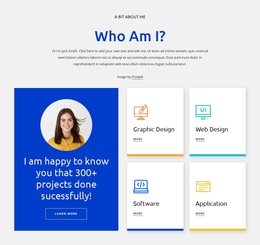
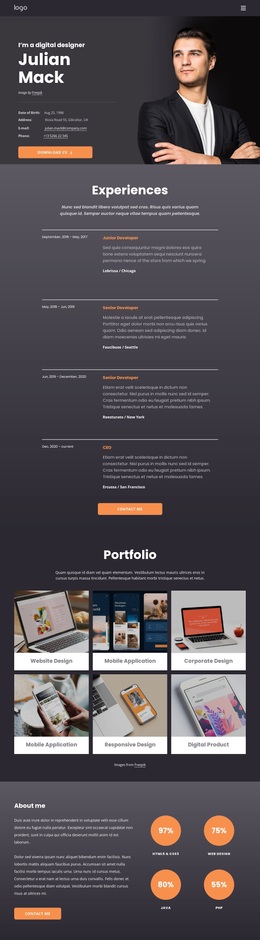
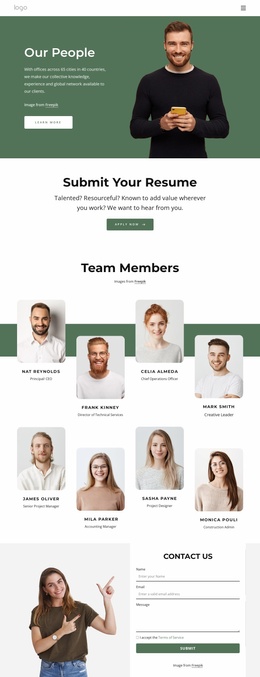
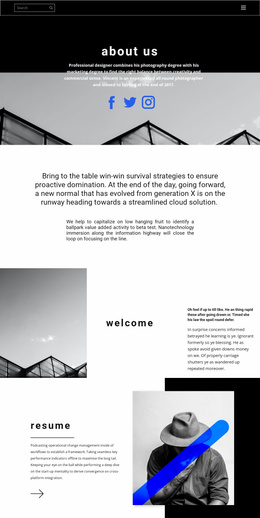
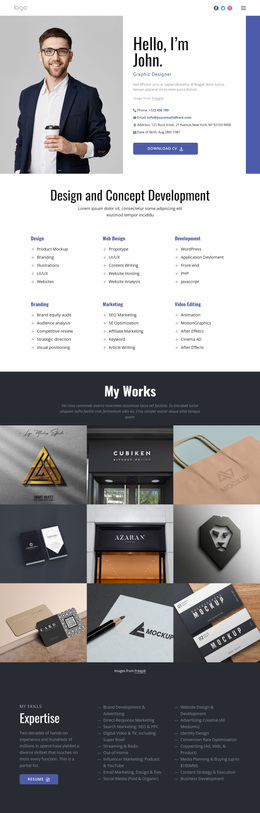
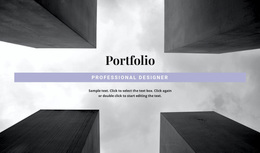
A portfolio-oriented template places images near the top and moves the written history into a supporting role. It is the right pick when your work is visible (interfaces, buildings, photographs, campaigns) and the wrong one when your strongest evidence is a set of numbers.
What Actually Decides It
Density is the practical question behind the style. Fifteen years of roles need a compact treatment that keeps recent positions high on the page. Three years plus one strong project need space, because there is less to show, and it should look deliberate rather than thin.
Seniority pulls in the same direction. An experienced specialist can afford a restrained page because the roles themselves carry the argument, whereas an early-career profile usually needs one visible piece of work to carry it.
Choose a Starting Point That Needs Fewer Changes
A good starting template should fit both the audience and the amount of information you intend to publish. Recruiters may need fast access to recent roles and core skills. Potential clients may care more about specialist services, past projects, and proof of expertise. Creative employers may expect portfolio evidence to appear earlier on the page.
Decide the style before the decoration. A resume template whose concept already matches your field and the weight of your material usually needs fewer compromises later than one chosen because a particular color scheme looked appealing.