
Talent HTML Templates
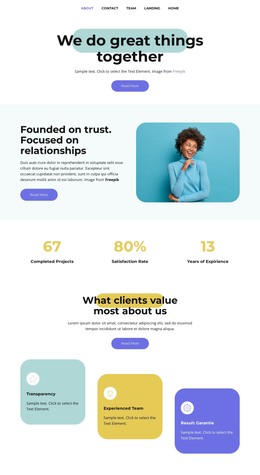
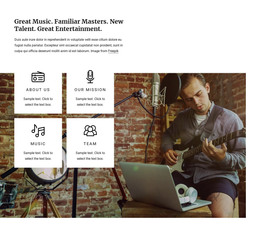
For agencies with many performer records, consistent markup makes it easy to update names, credits, media, and representation details. A ready-made HTML structure also gives each profile reusable sections that adapt more predictably across screen sizes.
-

-
-
-
-
-
-
Free Website Builder SoftwareDownload
-
-
-
-
-
-
-
-
-
-
-
-
-
-
































More Website & HTML Templates for Talent







More HTML Templates from About Us Category









































Other About Us HTML Templates
Talent HTML Templates and What Comes With Them
Pick a talent HTML template, and the deliverable is a set of files: HTML pages with the profile regions already written out, plus the stylesheet and images that go with them. Your roster replaces the sample content, and everything after that happens in the code. Two catalogs can look identical in a screenshot and behave very differently once the files are open.
Markup a Roster Can Reuse
One performer's record becomes the pattern for every other name on the list, so open the files before choosing. Three things tell you how a template will behave:
- A profile block you can copy. The headshot container, the name and role, and separate regions for credits and contact each sit in their own element, so the next profile is the same block with different content.
- Heading order. The performer's name is the top heading, and credits or media are sections beneath it, so a thin profile and a crowded one read the same way to a browser and a crawler.
- Room for the parts that do something. Talent pages often need an embed for a showreel, a gallery container, or a contact form that links to a real destination. Catalogs differ, so check the code of the template you pick.
Keep those regions distinct, and the stylesheet can reorder them on a narrow screen. The reflow is CSS work; the HTML only has to leave room for it.
Editing, Export and Publishing
The files stay editable long after the design is settled. A credit line is updated on the page itself, and adding a signature involves duplicating a profile file, replacing its content, and linking it from the roster. Teams that keep a site in a code editor work that way from the first profile.
Talent HTML templates built in Nicepage export as static HTML with the CSS, JavaScript, and images the project uses, so the files go to the hosting you already have. Custom HTML blocks cover what the visual editor does not, such as embeds or third-party scripts on a profile page. Form submissions run through the options Nicepage supports, worth checking against how inquiries currently reach the agency.
The useful test is the second profile. If adding a performer means copying a block and swapping an image path, a name, and a credits list, the template will carry a growing roster. If it means rebuilding the section by hand every time, the work grows with every name you sign.