
Border HTML Templates
Borders work best when they explain how content belongs together. These HTML templates connect frames and dividers with logical sections for portfolios, feature groups, editorial panels, and structured presentations.































































































Other Text HTML Templates
Clean Border HTML Templates
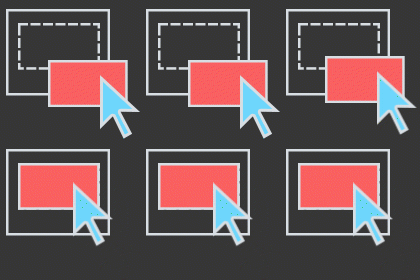
Border HTML templates provide ready-made sections where a visible frame or divider marks a distinct unit of content, such as a portfolio project or a service offering. Behind every frame is a small, repeating piece of markup, and its shape determines how easily you can copy, trim, or refill the section.
What Lives Inside Each Frame
A full frame announces an independent unit that could move elsewhere, while a divider separates pieces that still belong together. The bordered layouts you meet most often are built like this:
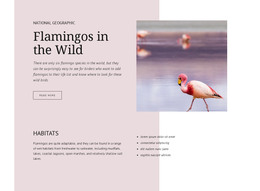
- portfolio grids, where each project behaves like a self-contained "article" with a title, a description, and a link;
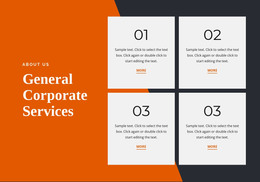
- feature cards that repeat the same order of heading, text, and action in every bordered container;
- editorial blocks, where one divider parts a summary from its details inside a single "section";
- specification panels, where one outer frame holds the group and thin internal lines split it into rows.
A project can be duplicated, deleted, or reordered without disturbing its neighbors. A single row of specifications means little outside its group, so giving every row its own frame only adds nesting you will later untangle. When an empty row already separates items, wrapping each one to draw a line makes the code deeper for no visible gain.
Nicepage's Grid Element suits repeated groups like these. The grid handles the arrangement, and each item keeps its own frame, so a new project slots into the row without rebuilding it.
Lean Markup You Can Repeat
A gallery or a row of pricing panels stays manageable when every unit follows the same short pattern. Each card opens with a heading one level below the section heading, then carries its content and an optional action. Adding a card means copying one block and changing its text. Templates that build each card slightly differently, with an extra wrapper here and a missing heading there, turn a quick edit into detective work.
Reading Order After Columns Collapse
When columns of framed cards fold into one on a narrow screen, they line up in the order they appear in the markup. Some templates build a row of images with a separate row of captions underneath. On a laptop, that looks like four neat projects, but on a phone every picture comes first, and the captions follow in a clump.
A good border HTML template lets you point at any line and say what it belongs to. A quick look at the code should show which framed units stand alone, which lines only divide a group, and which blocks can travel to another part of the site intact.