
Swimming Templates
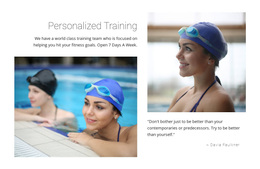
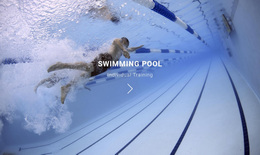
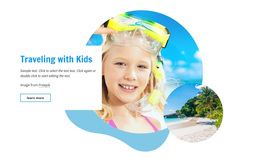
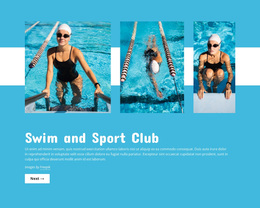
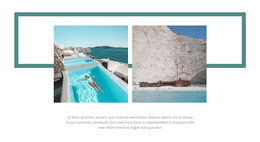
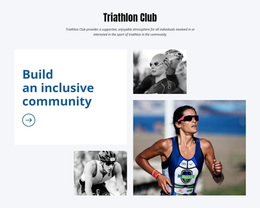
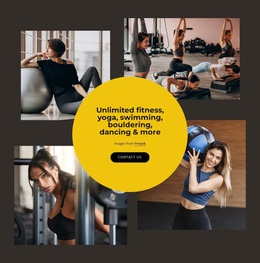
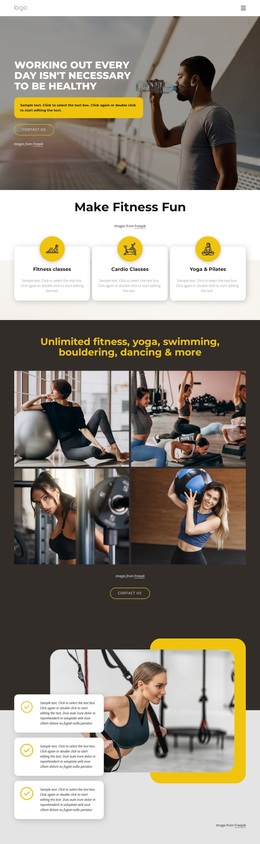
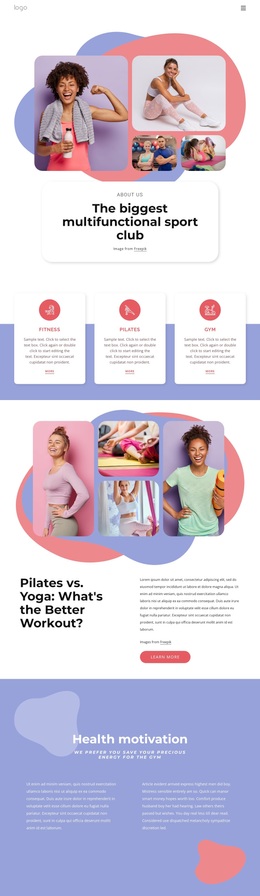
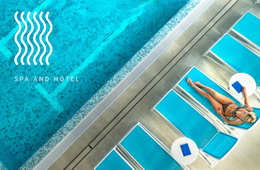
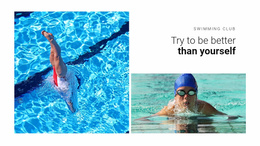
A varied collection of swimming template designs gives swim schools, clubs, coaches, and aquatic centers several visual starting points. Compare how each concept presents lessons, instructors, facilities, schedules, and registration, then adopt the strongest approach.


More Website & HTML Templates for Swimming
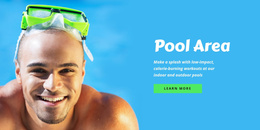

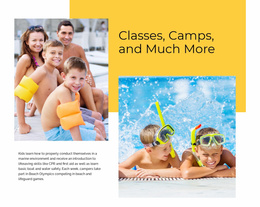
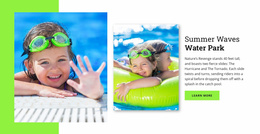
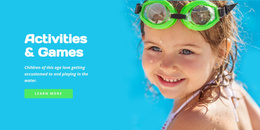

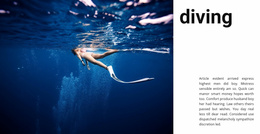

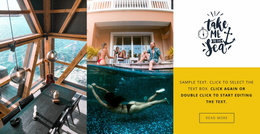

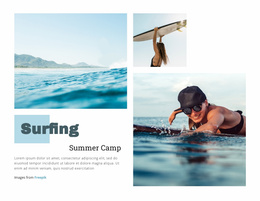

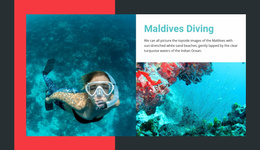

More Templates from Sports Category



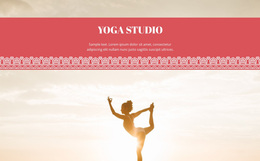


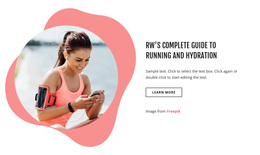

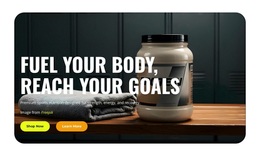

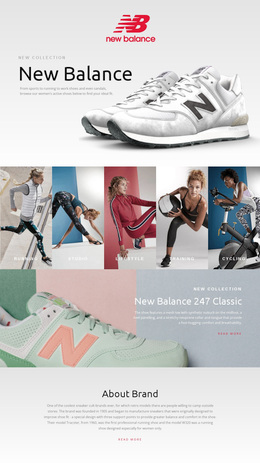

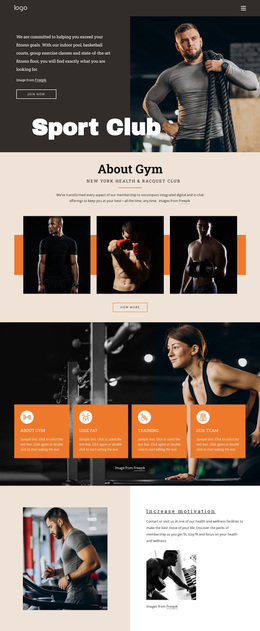
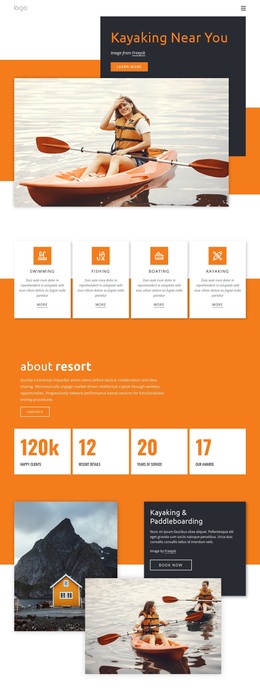
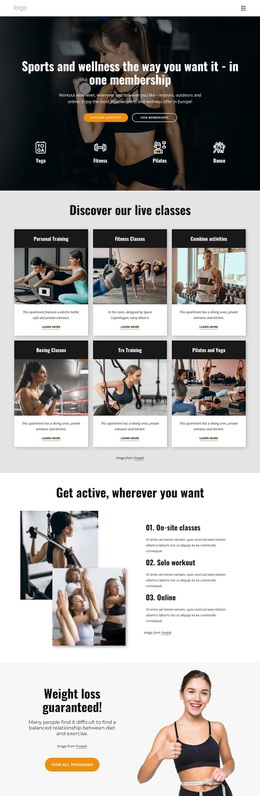
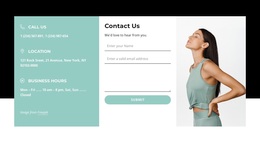

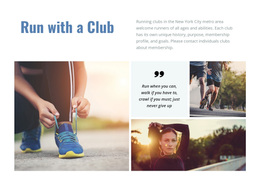

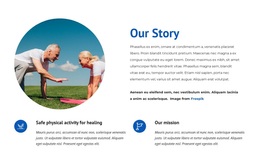

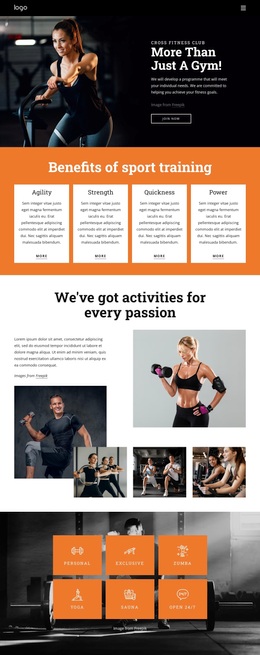





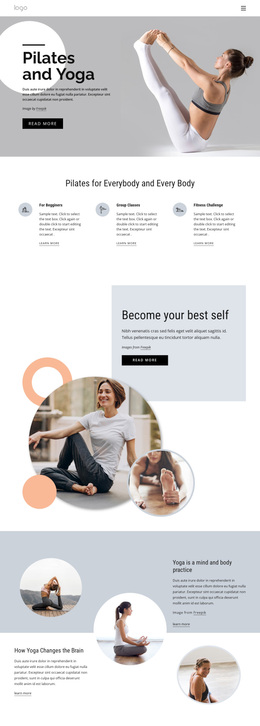
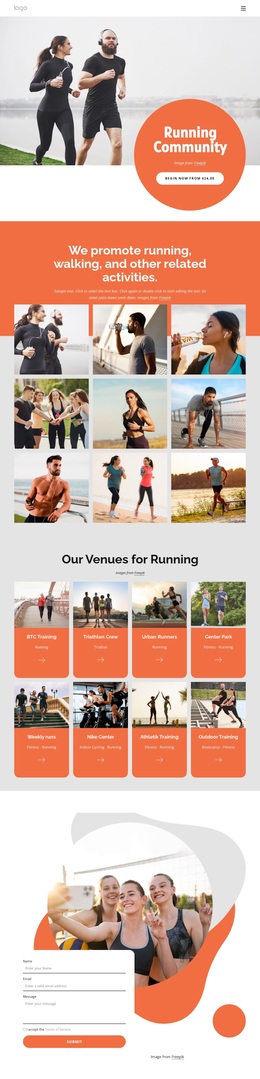
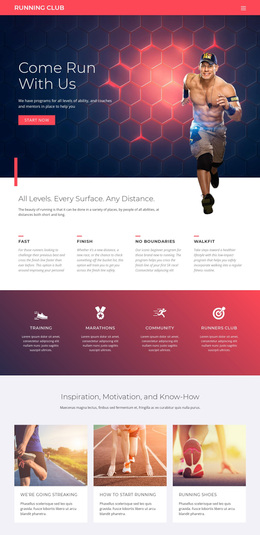
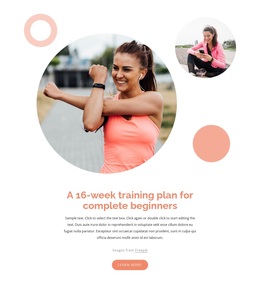
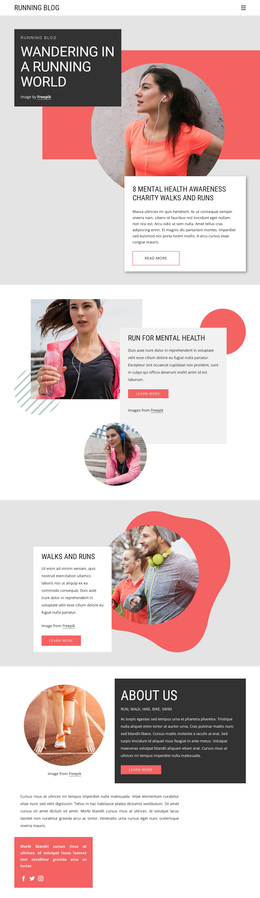
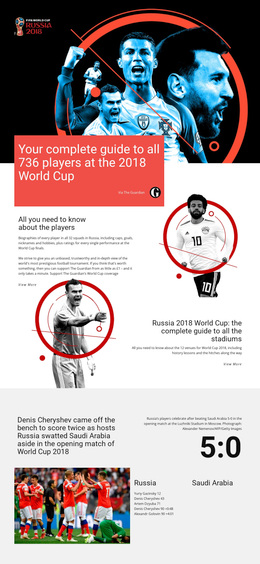
Other Sports Templates
Swimming Website Templates for Every Kind of Pool Business
A private coach and a busy swim club can both start with a swimming website template, but they will rarely choose the same one. The coach wants a personal introduction, visible credentials, and an easy way for someone to ask about private lessons. The club wants squads, a training calendar, and a page where a new member can work out which group they belong to.
Content Sets Change With Business Model
Comparing demos goes faster once you know what your site actually has to say. Swimming operations differ less in style than in the volume and type of information they publish, and that difference decides which starting point survives contact with real content.
A short way to narrow the field:
- Name the audience you are writing for, whether that is parents, adult beginners, or competitive swimmers.
- Write down the content you must publish, from levels and timetables to coach credentials and pool addresses.
- Decide on the action that matters most, such as booking a trial, enrolling for a term, or sending an inquiry.
- Compare the visual mood of the demos only after those three answers are on paper.
Nicepage helps at this stage with ready-made Blocks and Elements, so a promising concept can be extended with additional text, a form, or a gallery section instead of being abandoned.
Segments That Want Opposite Things
The same swimming label covers very different operations, and the gap shows up immediately in what each one puts near the top:
- A private coach needs a biography, qualifications, and clearly priced lesson packages.
- A children's academy lives on its levels, age groups, and term timetable.
- A competitive club puts squads and training sessions first, with meet information close behind.
- An aquatic center has to explain facilities, memberships, and family sessions at once.
Visual tone follows from that. A concept built for children's lessons usually shows warm instructor photography and roomy class cards with the age printed on them, while one built for a competitive club leans on race images and tighter blocks. Either can be adapted, though the further you drift from the original purpose, the more rebuilding you'll have to do.
Less Rework After Launch
The template that saves the most time is usually the one whose existing sections are already close to your actual program. A swim school with three levels then avoids inventing a timetable block from scratch, and a coach with two packages avoids stripping out a squad system nobody asked for. Adding a section later is straightforward work, while rebuilding the spine of something you picked for its photography rarely is.