
Pet Html Code Examples
Pet businesses may need more than a finished visual page when developers or external hosting are part of the workflow. Structured HTML output keeps service, adoption, contact, and booking content available for later technical work.





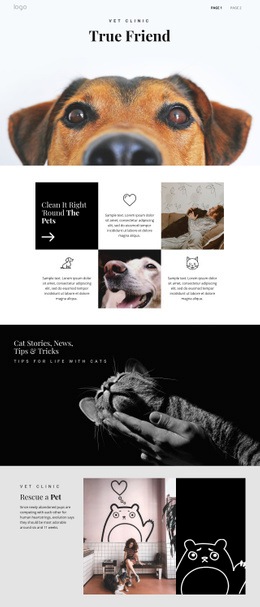

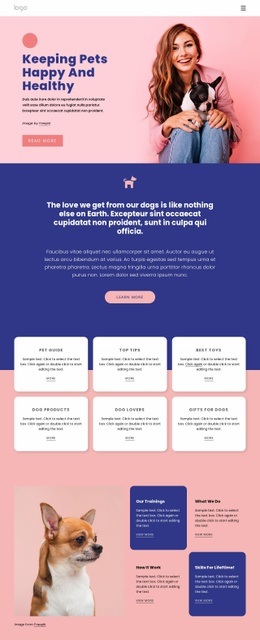
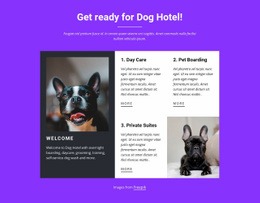
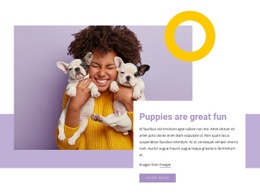












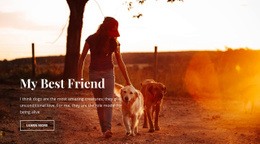
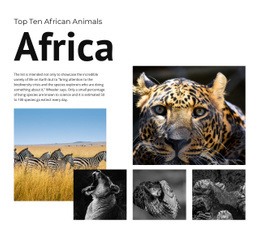

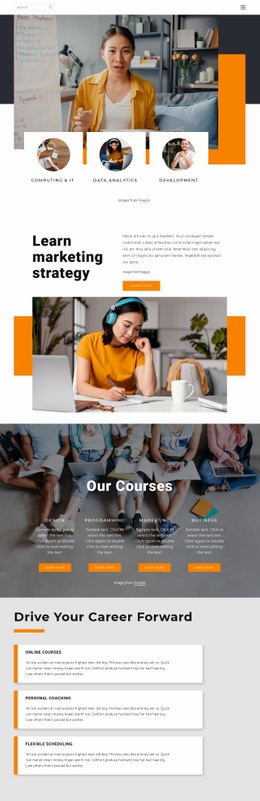
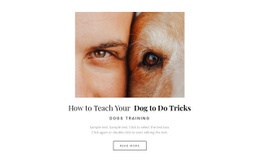



Other Pets & Animals Html Code Examples
Ready Pet HTML Code to View, Copy, and Edit
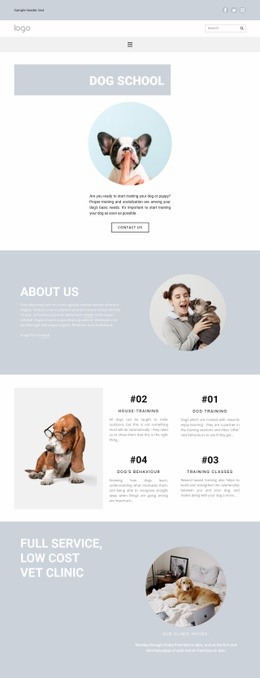
Pet HTML code examples cover the sections an animal care site leans on most, such as adoption profiles, vet service lists, and contact blocks with an appointment link. Each one arrives as working markup you can open and read line by line, with headings and photos already in place. The main job is to enter your own animals and prices; any text editor will do.
Typical Sections Inside Pet Markup
The mix varies, but pet code in this category often includes blocks like these:
- Adoption profiles that give each animal its own heading, photo, and short bio, with an apply link underneath.
- Clinic service sections, where vaccinations and dental care sit under their own subheadings near the opening hours.
- Contact blocks with the address and a phone number linked so mobile visitors can call with one tap.
- Galleries of grooming results or shelter residents, where each image can carry its own alt text.
Profiles and service sections are worth keeping apart in the code. A profile centers on one animal, so the animal's name makes the natural top heading for that block. A service section groups several treatments under one title, with a smaller subheading for each. Keeping that order intact helps screen readers and search engines distinguish between the animals and the treatments.
Turning Visual Projects Into Code
Suppose you'd rather arrange a pet section visually first; Nicepage exports the finished project as HTML. Its HTML export documentation covers the process of producing site files from a Nicepage project. The online version of Nicepage also exports HTML, ready to be hosted on your own server. The exported folder contains the markup, scripts, and animal photos. It isn't tied to Nicepage hosting, so you can upload it yourself or hand it to a developer.
Quick Edits When New Animals Arrive
Small, frequent changes are often faster in the file itself. A new litter of kittens usually means copying one profile block a few times and changing the names, photos, and alt text. A clinic that books visits through an outside scheduling service pastes its widget snippet next to the address. Some adoption platforms also offer embed snippets that list a rescue's animals, and you can add those to the markup just as easily. A quick browser check before uploading is worth it, since one missing closing tag can break everything below it.
The pieces that matter most stay right there in the file: each animal's name as a heading, the photo with its description, and the link to adopt or book.