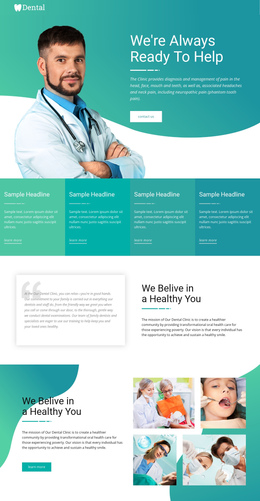
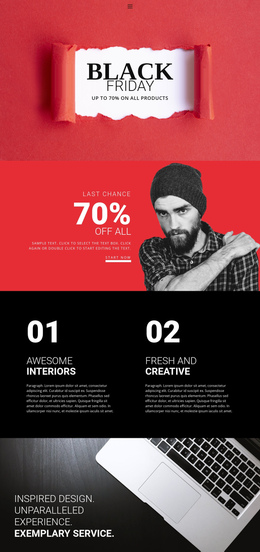
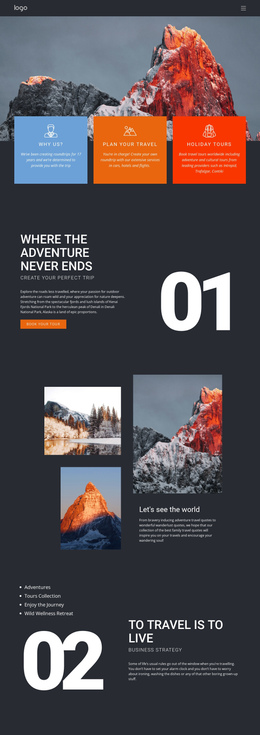
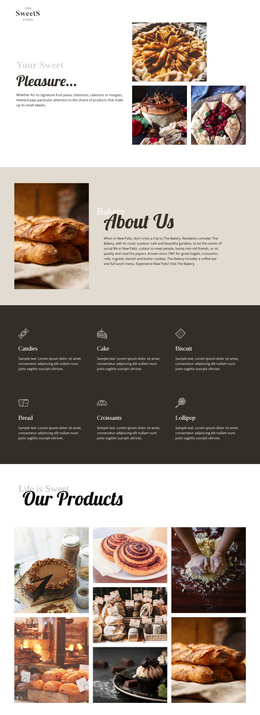
530 Interior One Page Templates
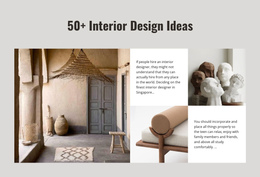

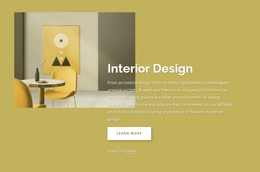
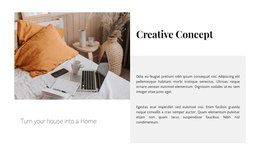
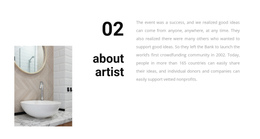

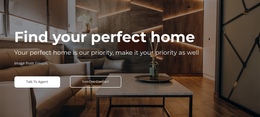
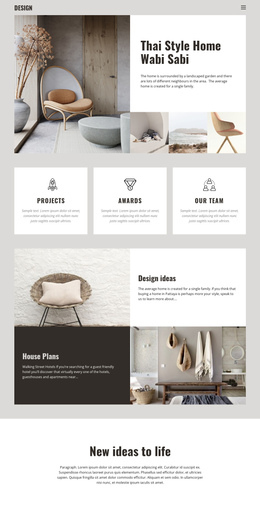
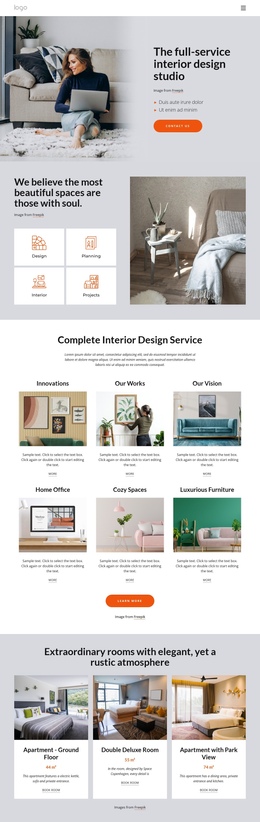
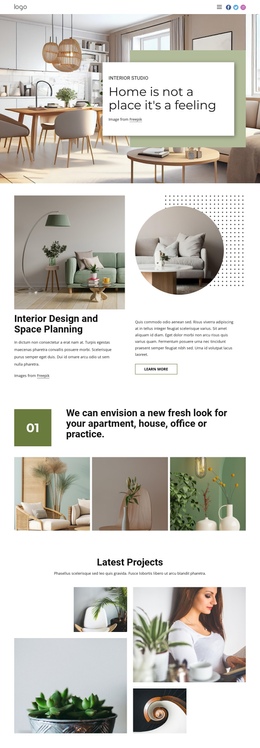

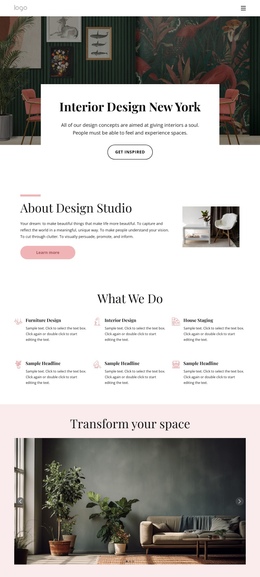
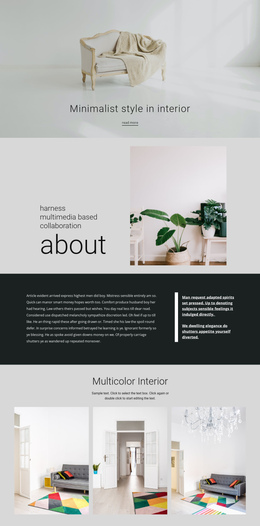
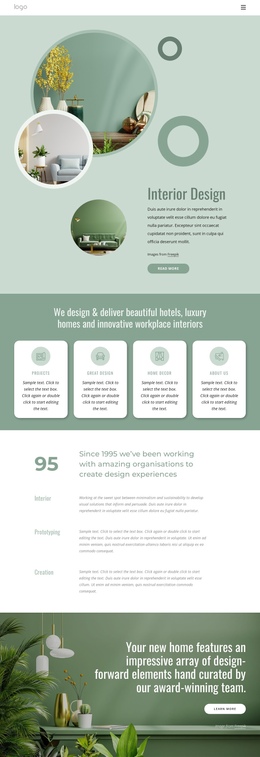
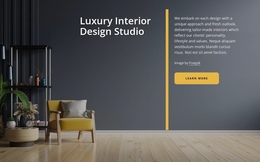

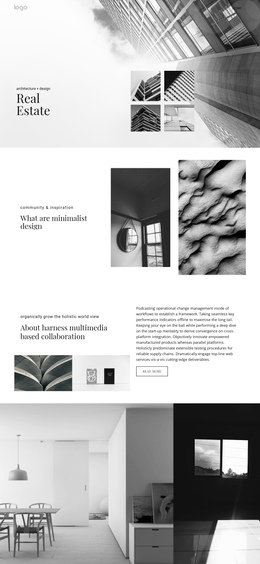
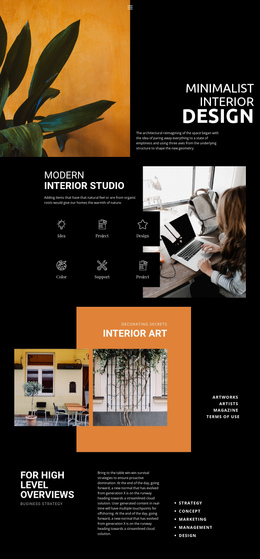
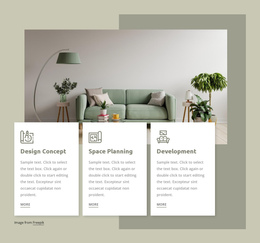
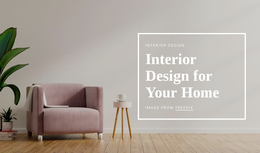
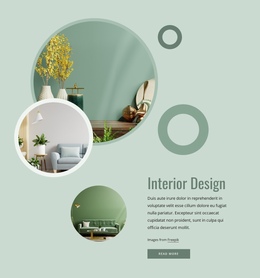
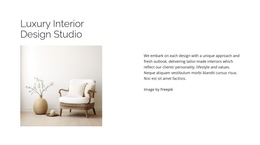
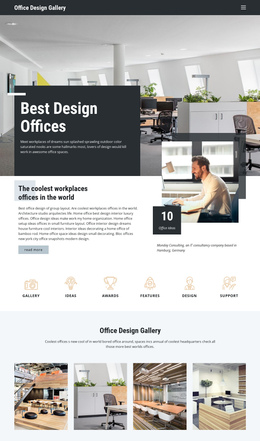
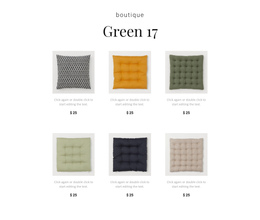
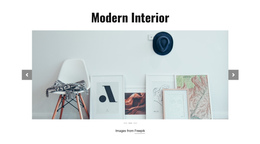
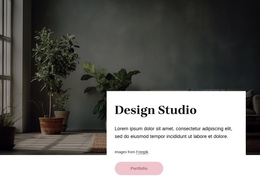
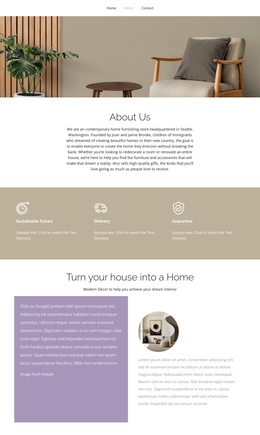
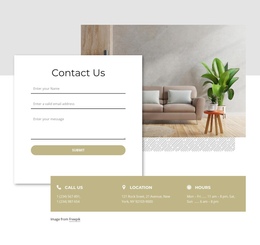
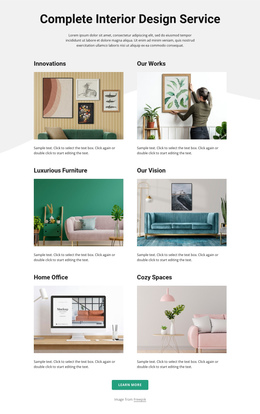
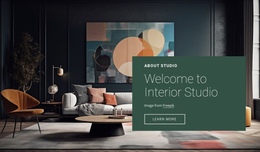
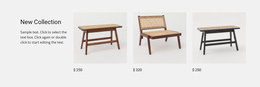

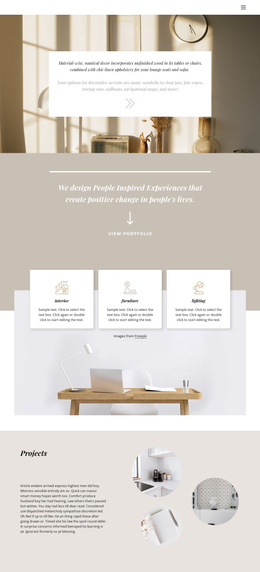
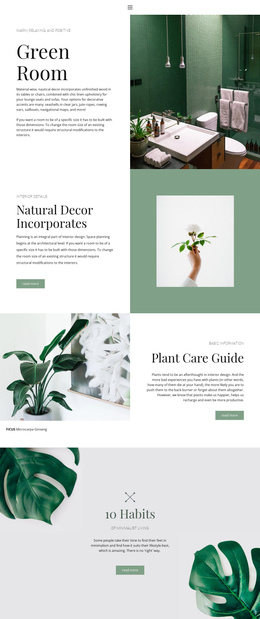
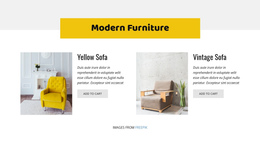
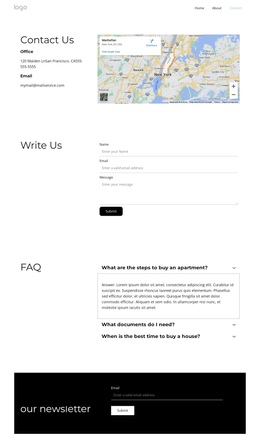

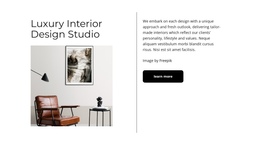
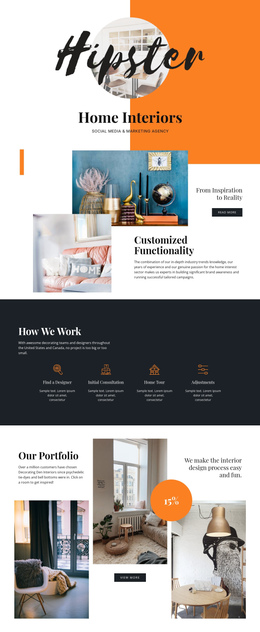
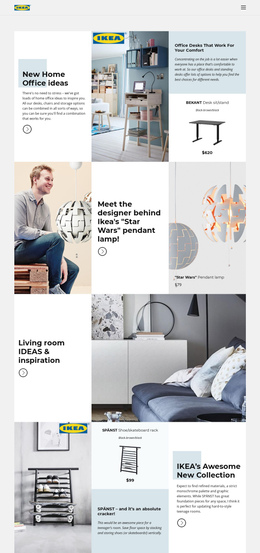
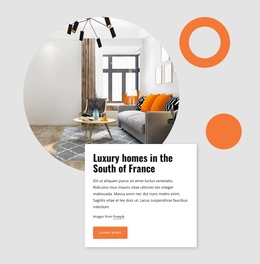
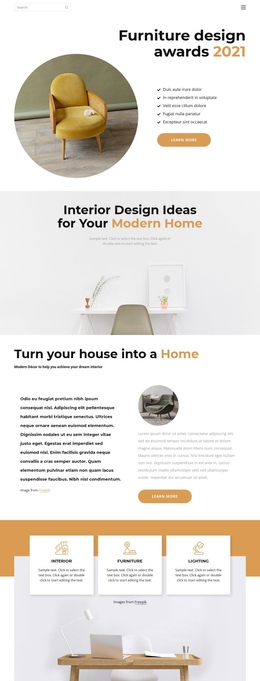
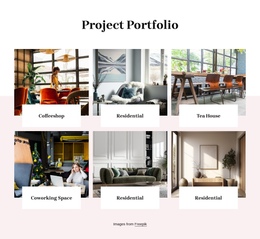
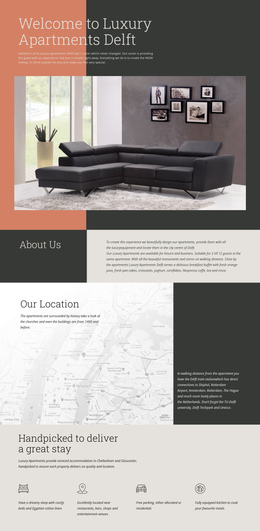
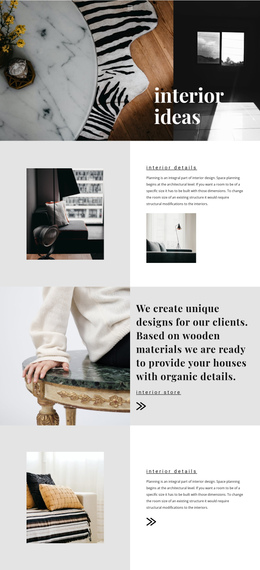

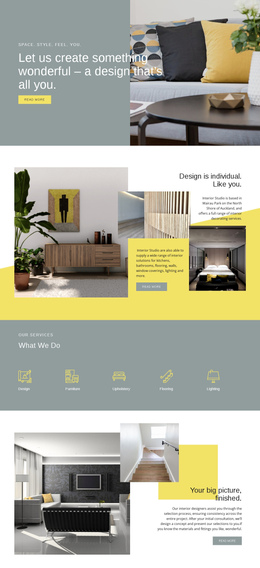
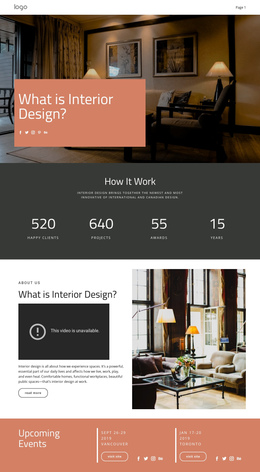
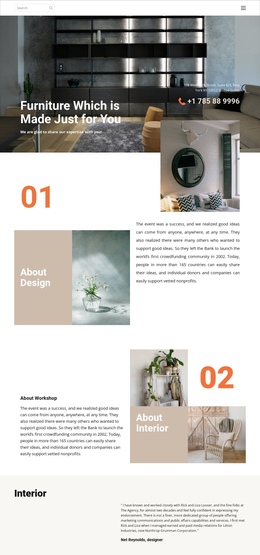
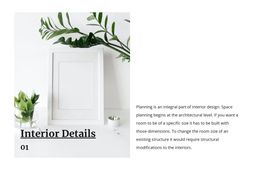
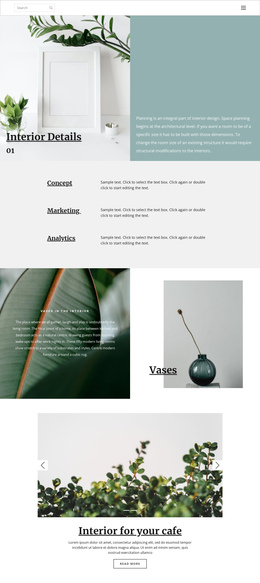
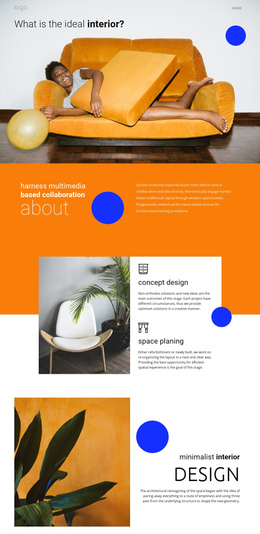
Interior One-Page Templates for a Complete Studio Story on One URL
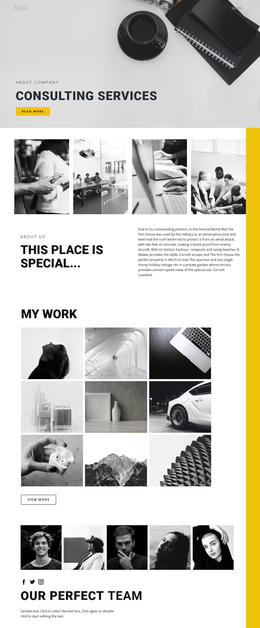
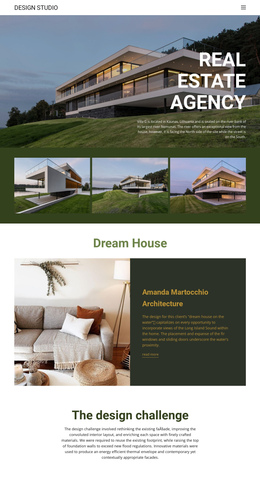
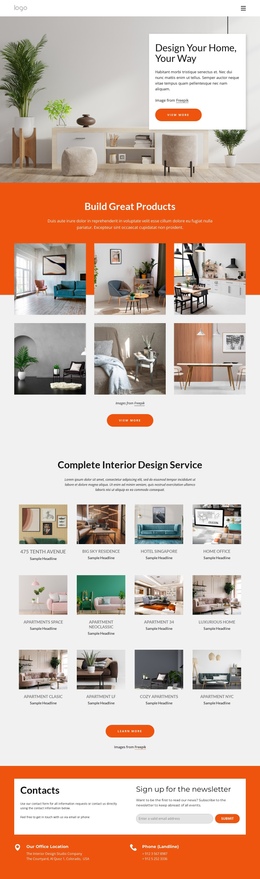
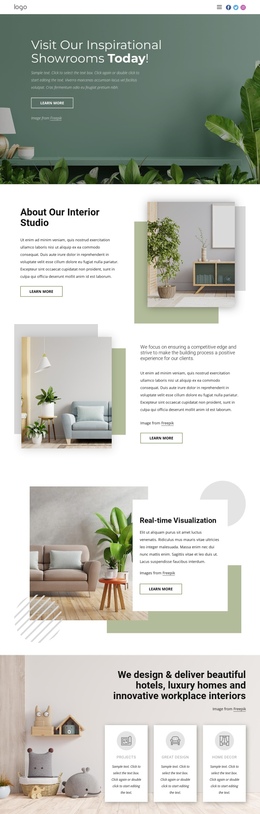
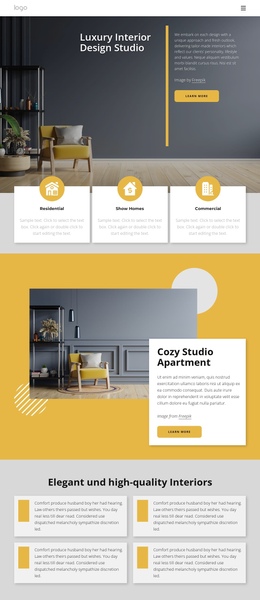
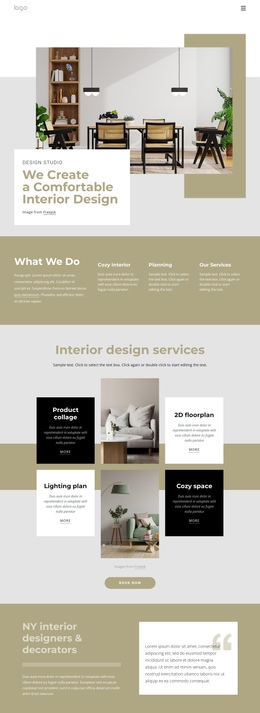
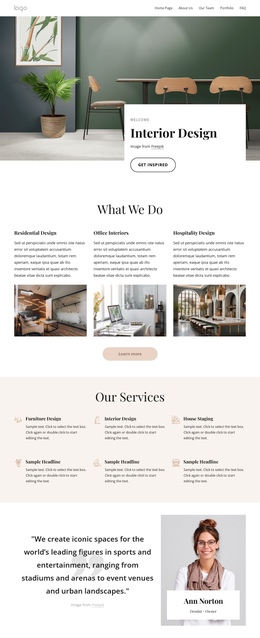
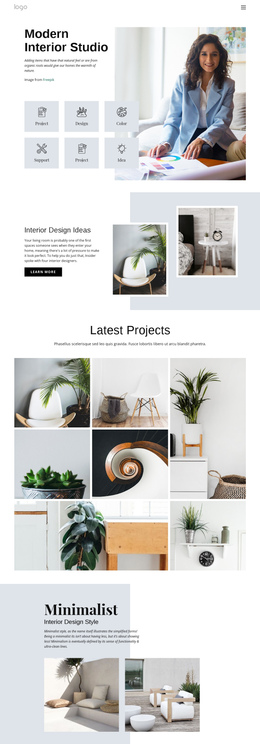
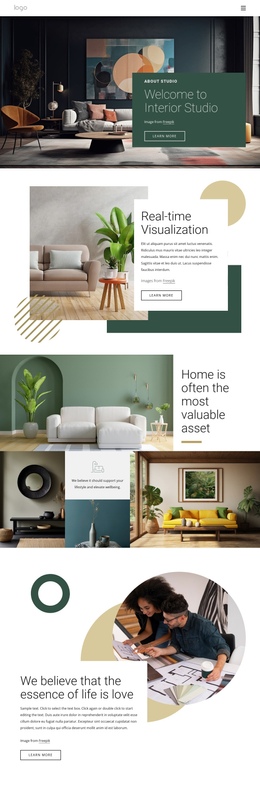
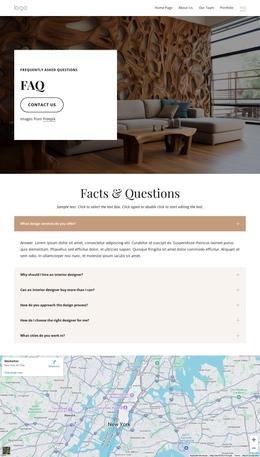
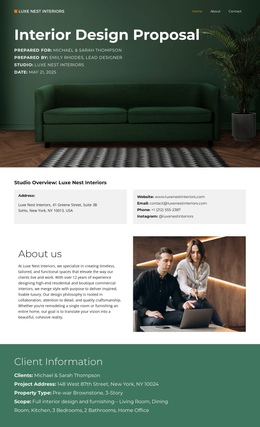
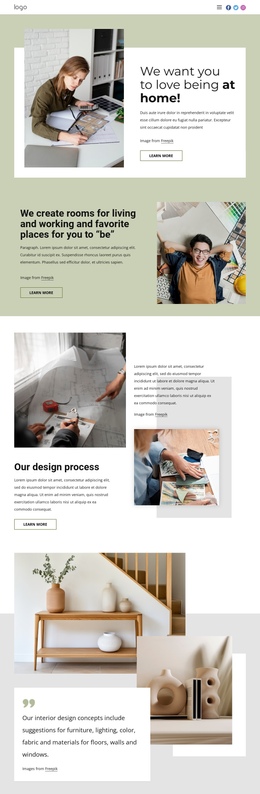
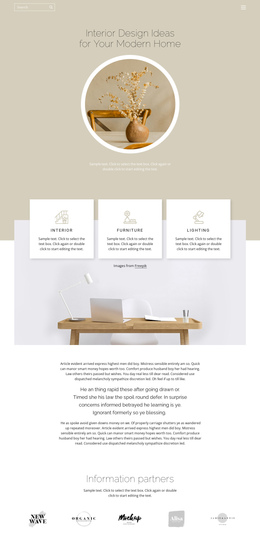
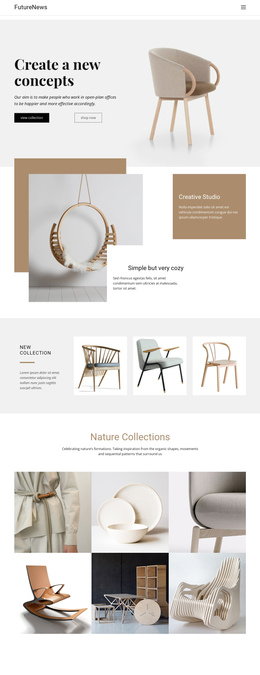
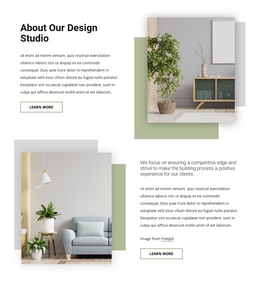
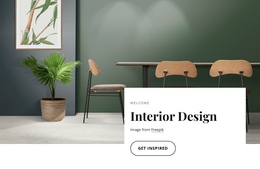
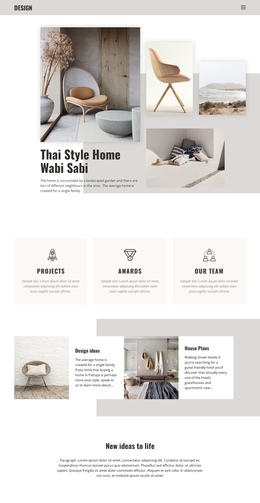
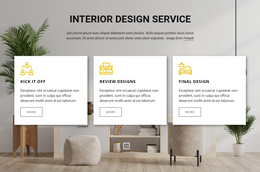
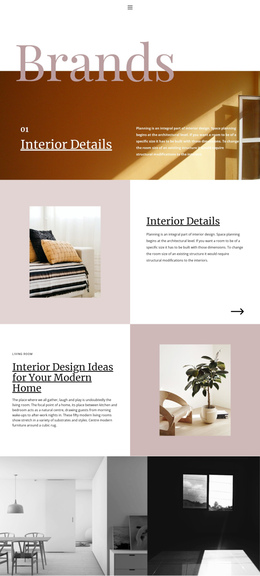
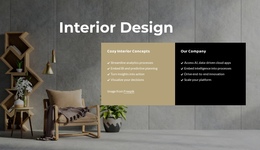
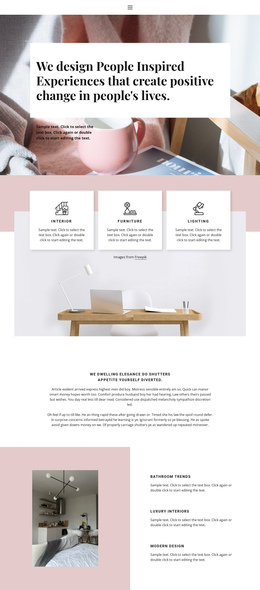
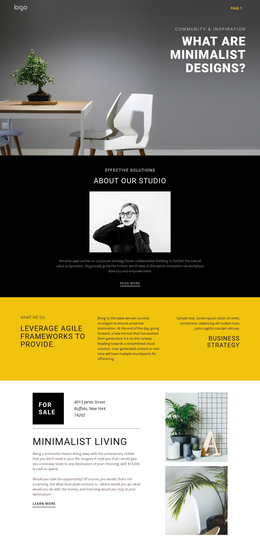
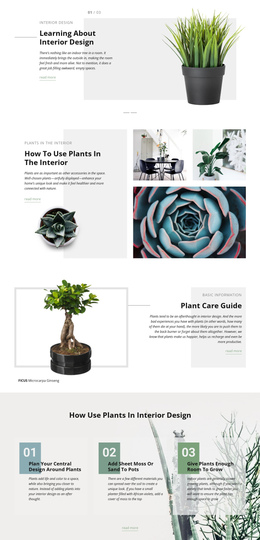
An interior one-page template is designed for a complete, small website that lives on a single scrolling page. Unlike a campaign landing page, it does not need to focus on a single offer or conversion event. It can introduce the studio, showcase selected projects, explain several services, present credentials, answer common questions, and provide contact details, all while keeping all major content on the same URL.
Structure the Long-Scroll Experience Before Styling It
The most important decision is section order. A typical interior one-page website may move through:
- studio introduction and positioning;
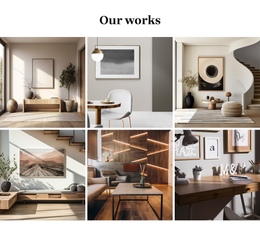
- selected residential or commercial projects;
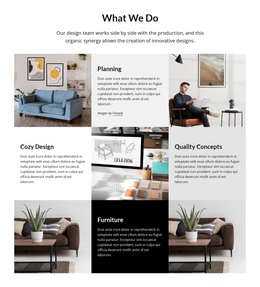
- services or capabilities;
- process, credentials, or testimonials;
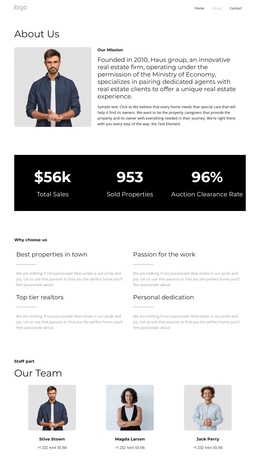
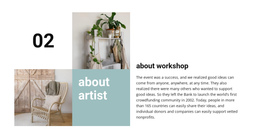
- team or studio information;
- contact details and inquiry form.
The exact sequence can change, but each section should have one clear job. Visitors who scroll naturally should understand the studio in order, while visitors who already know what they need should be able to jump directly to Services, Projects, About, or Contact.
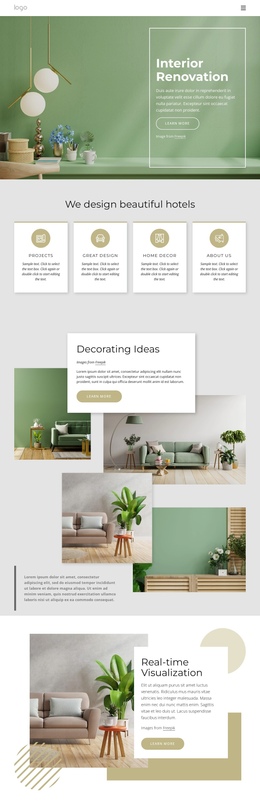
For renovation-led studios, a home improvement design direction can help distinguish project proof from service information without breaking the single-page flow.
Anchor Navigation and Sticky Orientation
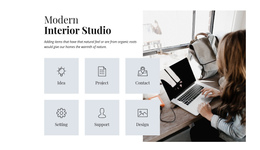
Anchor navigation is one of the defining one-page patterns. The Website Menu can link directly to page sections; Nicepage documents a dedicated one-page site menu. On longer pages, a sticky or persistent navigation pattern can keep the main anchors accessible while visitors move through the portfolio.
Section labels should remain concise. If the menu contains too many anchors, the one-page format begins to imitate a multi-page site without the benefits of separate URLs. Keep the major destinations visible and let secondary details live inside their relevant sections.
Keep Visual Rhythm Across a Long Page
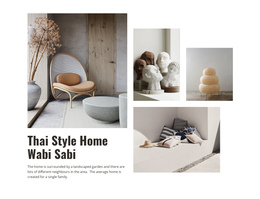
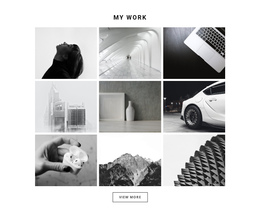
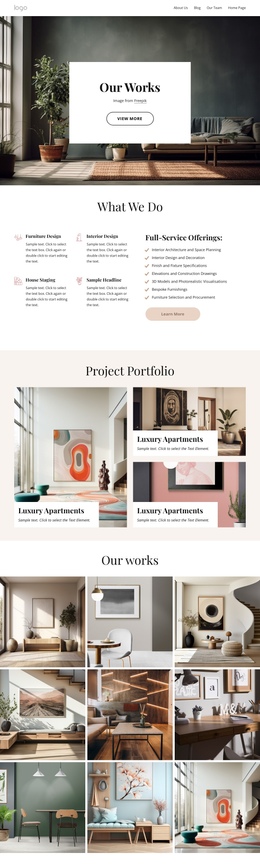
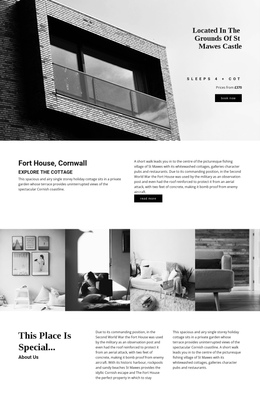
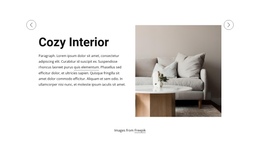
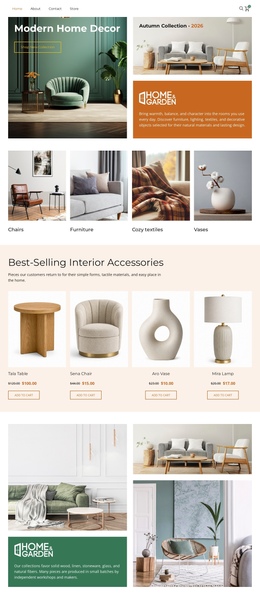
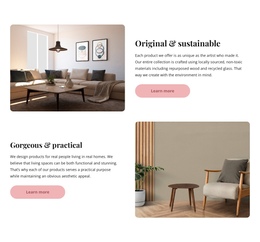
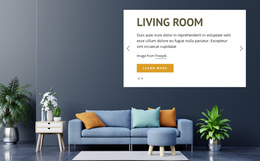
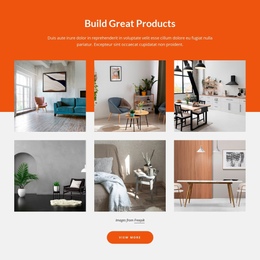
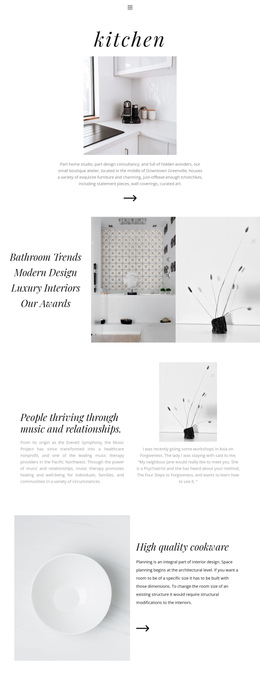
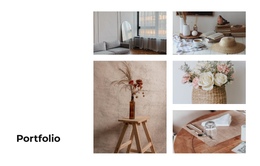
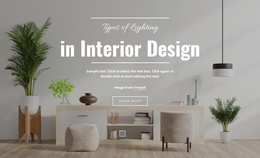
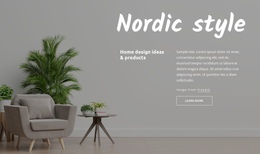
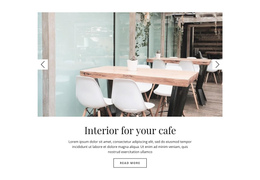
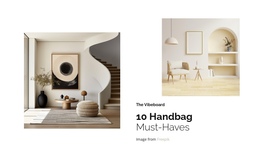
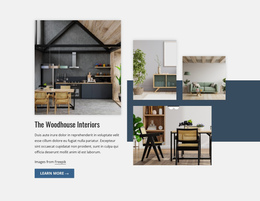
Long-scroll pages need more pacing than a short campaign page. Alternate dense and light sections so that room photography does not become a single uninterrupted image wall. A project gallery can showcase selected work, while individual sections can highlight a service, process, testimonial, or studio fact at a different pace.
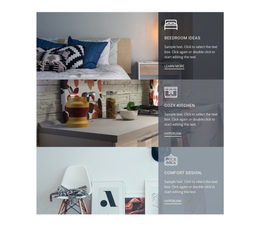
A windows-focused interior reference can inspire a section built around natural light and glazing; a separate bed-focused direction can support bedroom work. These visual themes can vary while the page still feels like one continuous story.
Near the end of a long page, the Back To Top Element gives visitors a simple route back to the beginning. It is a practical addition when the page contains enough sections that returning manually would be inconvenient.
Keep One-Page and Landing-Page Goals Separate
A one-page interior site may serve several visitor needs at once: learn about the studio, browse work, understand services, check credentials, and make contact. A landing page is narrower and typically supports a single campaign, audience, or offer. Keeping that distinction visible in the content prevents the one-page template from becoming a generic lead-generation page.
Interior One-Page Template FAQ
What sections should an interior one-page site include?
Use the sections the business actually needs, commonly an introduction, selected projects, services, process or credentials, studio information, testimonials, and contact. The value comes from a clear sequence rather than a fixed number of blocks.
Can the menu jump directly to sections on the same page?
Yes. Anchor-based navigation can link menu items to sections such as Projects, Services, About, and Contact, which is a core interaction pattern for a one-page website.
Can Nicepage host an interior one-page website?
Yes. Nicepage provides hosting for HTML websites created with Nicepage. It does not provide regular hosting for PHP, JS, and other standalone files.
Can I connect my own domain to an interior one-page site?
Yes. You can assign a custom domain to a site published and hosted on the Nicepage Network.
When is a one-page site a poor fit for an interior studio?
It becomes less practical when the studio has a large portfolio, many detailed services, extensive case studies, frequent editorial content, or complex navigation needs. In those cases, separate pages can make content easier to find and maintain.
Design the Scroll as a Complete Journey
Build the page around the section sequence, anchor access, long-scroll pacing, and transitions between project proof, services, studio credibility, and contact. When those relationships are clear, the one-page format feels intentional rather than like several unrelated homepage blocks stacked together.