

Recipe Website Designs
Culinary publishers can express the warmth of traditional cooking or the sophistication of gourmet cuisine through a distinctive visual style. Coordinated photography, colors, and typography give each recipe a recognizable editorial character.
-

-
-
-
-
-
-
-
-
-
-
-
-
-
-
-
-
-
-
-
-
-
-
-
-
-
-
-
-
Free Website Builder SoftwareDownload
-
-
-
-




















More Website & HTML Templates for Recipe














More Website Designs from Food & Restaurant Category

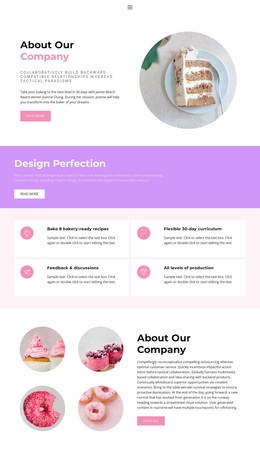
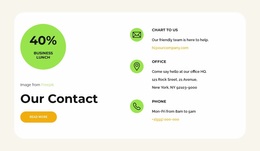
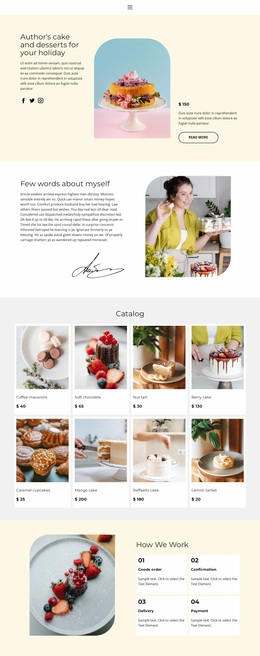
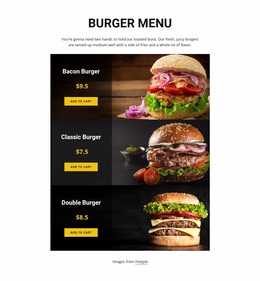
Other Food & Restaurant Website Designs
Modern Recipe Website Design
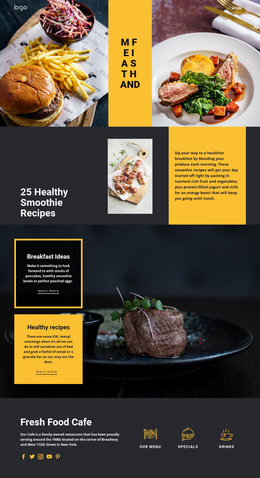
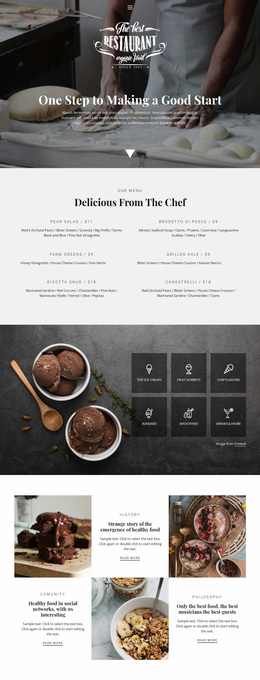
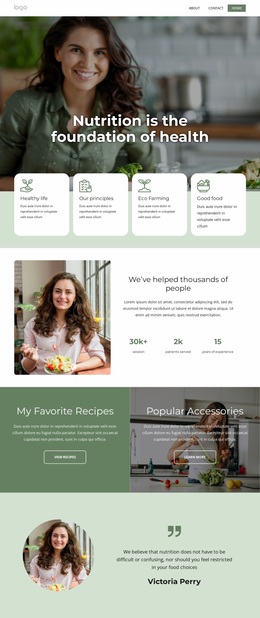
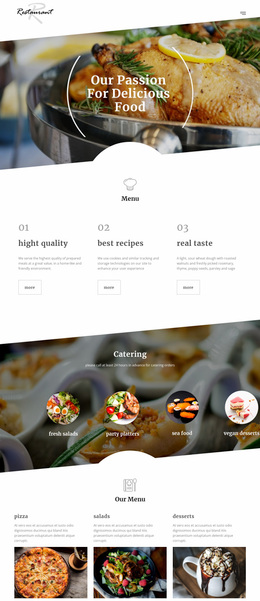
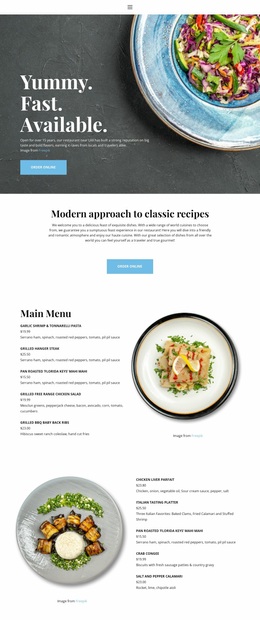
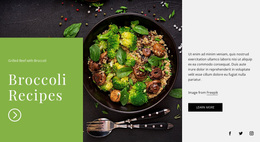
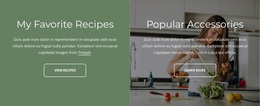
Some food websites feel like beautifully photographed cookbooks, while others resemble a quiet gallery of individual dishes. An effective recipe website design can convey the warmth of a home kitchen or the precision of contemporary fine dining before visitors read a single recipe. Browse visual examples with your food's character in mind, paying close attention to how the overall composition makes the dishes stand out.
Develop a Distinctive Culinary Visual Identity
The food itself can guide the choice of visual style. Mediterranean recipes may inspire olive green, terracotta, and warm cream tones. A website inspired by Japanese cooking might favor neutral backgrounds, restrained accents, and generous space.
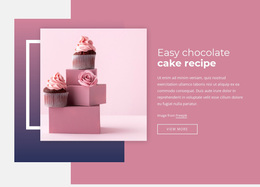
A gourmet chocolate collection could use deep cocoa shades and elegant editorial details. The resulting atmosphere should give visitors a sense of the cuisine without competing with the images of the dishes.
Nicepage allows you to define a shared color scheme. The Site Colors settings can help maintain a recognizable palette throughout your project.
Food Photography and Art Direction
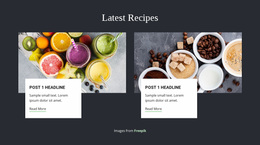
Compare a magazine-style composition with a minimalist gallery. The former may open with an expansive photograph of a finished dish and smaller editorial stories beneath it. A quiet gallery might place individual food photographs beside short dish names, allowing the images to carry most of the visual interest.
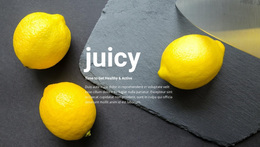
Rustic food photography can use natural fabrics and soft daylight, while contemporary gourmet imagery may favor carefully arranged compositions against simple backgrounds. A consistent approach to lighting and surfaces can unite photographs of very different dishes.
Typography That Complements the Food
Traditional cookbook-inspired designs may suit expressive serif headings. Contemporary fusion cuisine can look equally convincing with geometric lettering and understated text. Consider how the type appears alongside large photographs and shorter editorial introductions rather than judging it independently.
A design with dramatic headlines may appeal to a culinary storyteller, while a quieter layout can give an elaborate dish the attention it deserves.
The strongest cooking website design examples feel convincing even before the reader knows the dish's name. An approach that complements your own photography and still feels recognizable as the featured dishes change is worth developing further.