1000 Architecture & Building Landing Pages


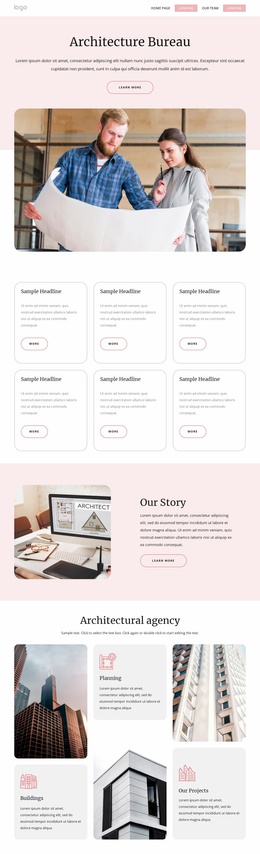



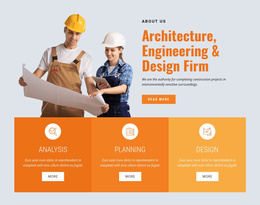
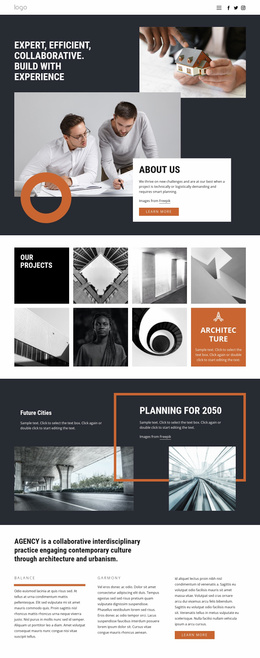

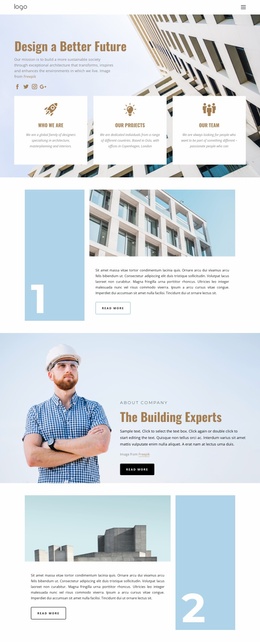
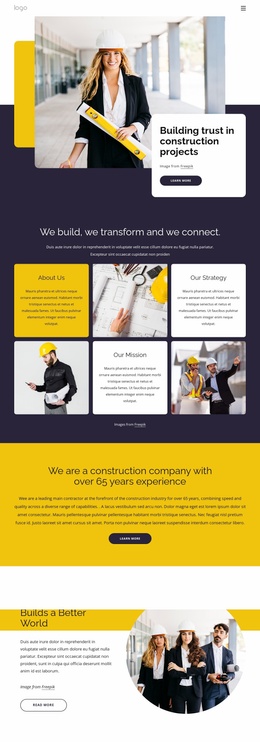
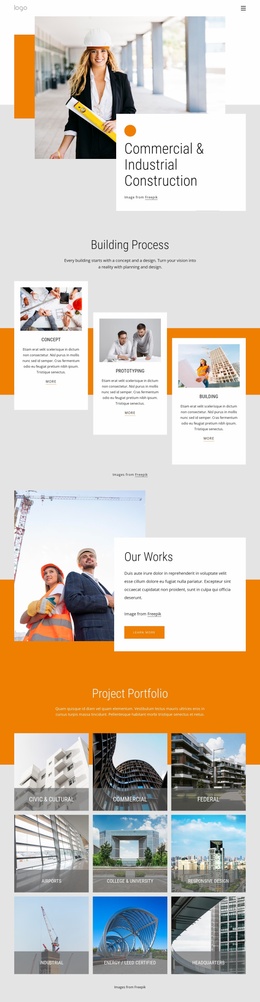
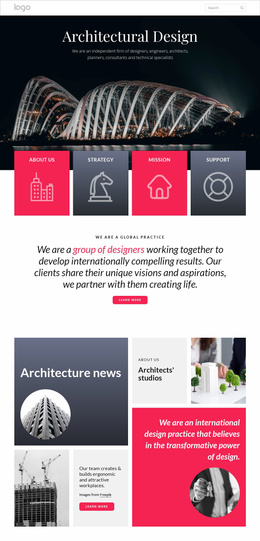
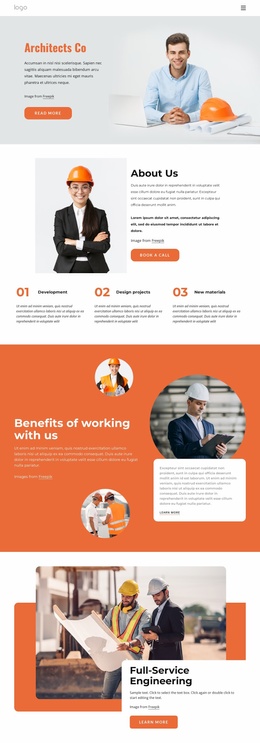
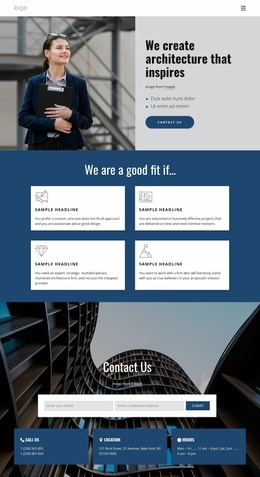
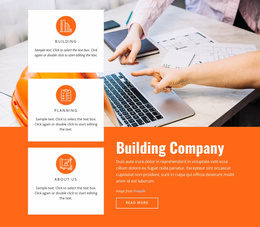
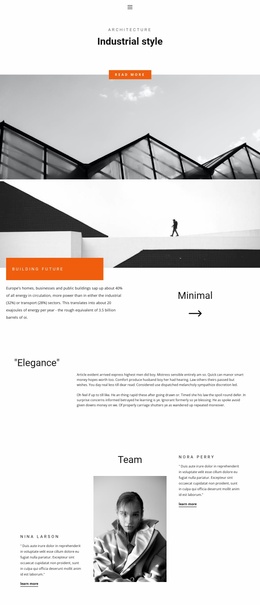
Best Architecture & Building Landing Page
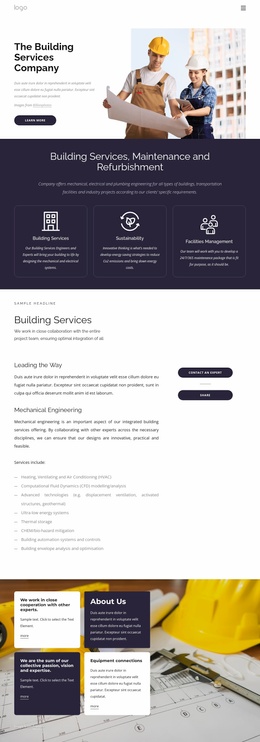
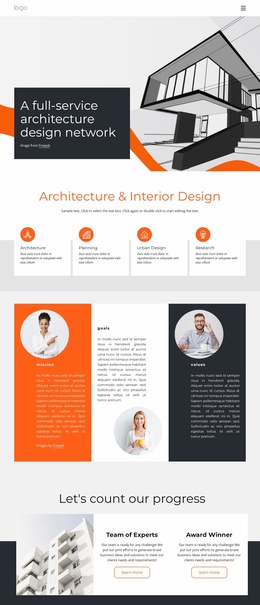
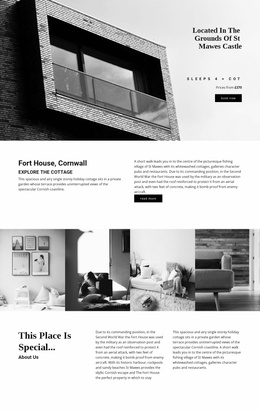
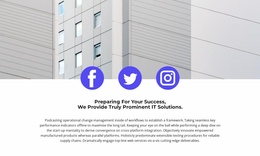
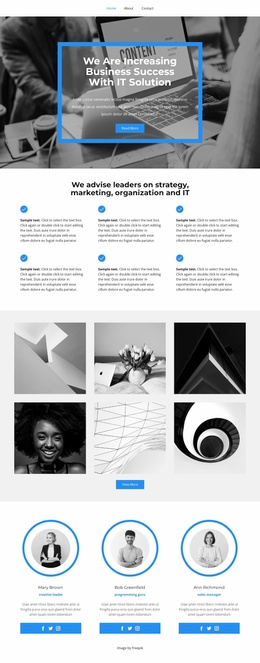
An architecture & building landing page should be built around a single conversion goal, not the studio's complete story. That goal might be to book a residential design consultation, request a renovation estimate, submit a project brief, register interest in a property development, or contact a specialist practice about a specific service. Every section should make that single next step easier.
Match the Landing Page to One Campaign
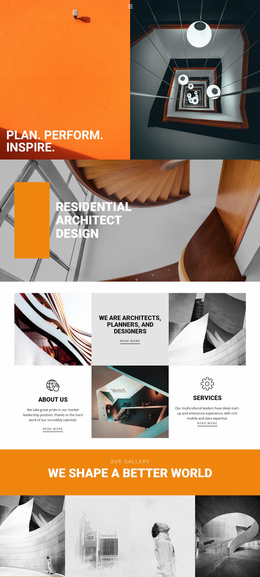
Different campaigns need different proof. A residential design service page may focus on a design consultation, process, selected relevant work, and a short brief form. A renovation campaign may need before-and-after evidence, scope, timeline expectations, and a request-for-estimate action. A property development launch can emphasize location, concept, key facts, and an inquiry or registration form.
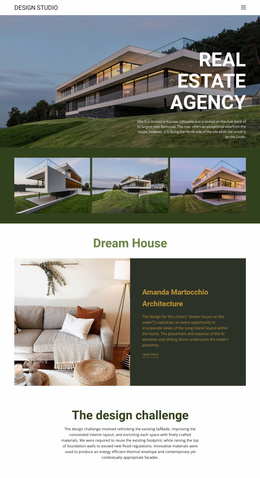
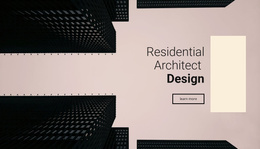
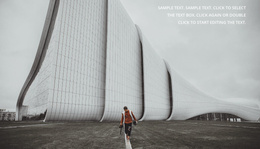
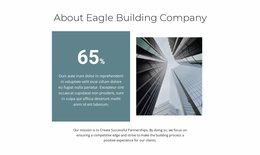
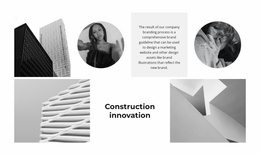
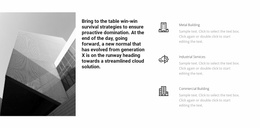
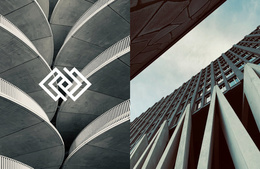
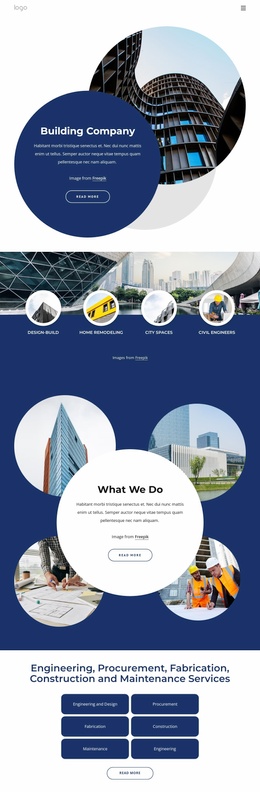
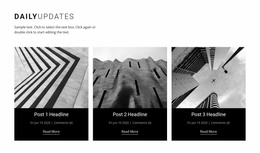
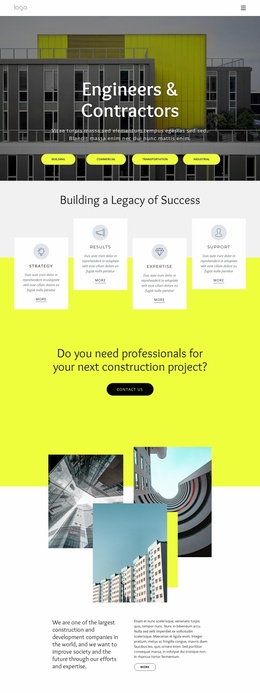
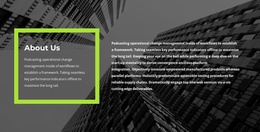
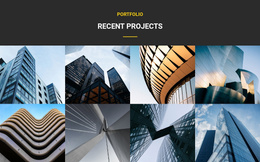
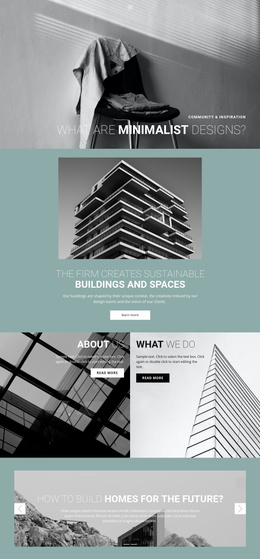
For religious or civic commissions, church architecture references can help shape relevant visual evidence. High-rise specialists can use tower project layouts when a landmark development or vertical project is the subject of the campaign. In both cases, the point is to support one offer rather than build a general portfolio around it.
Build a Short Conversion Path
A focused sequence can be:
Offer → Relevant project proof → What the service includes → Trust / qualification → CTA → Form or booking.
The opening section should make the service and next step explicit. Project examples should prove that specific offer, not simply show the studio's most famous work. Service details should answer the objections most likely to stop a visitor from contacting the practice.
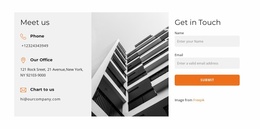
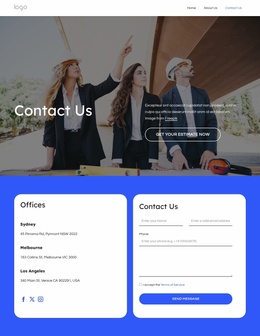
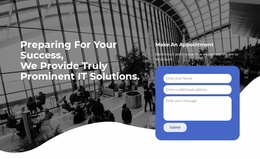
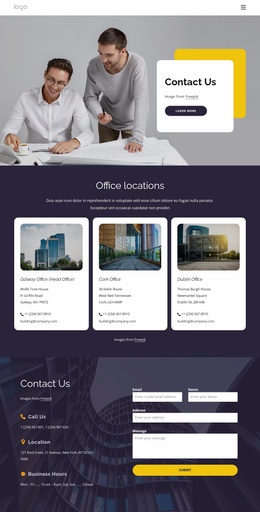
Use a clear Button Element for the primary action and repeat that action only where it helps the page flow. A Contact Form Element can collect straightforward inquiries, and Nicepage supports the feedback it receives through the Contact Form Submissions workflow, including email notifications and Leads.
For a more detailed project brief, the Multi-Step Contact Form is useful because it can divide requirements into stages rather than placing all fields on a single screen. Calendar Presets can add appointment booking when the conversion goal is an initial consultation or discovery call.
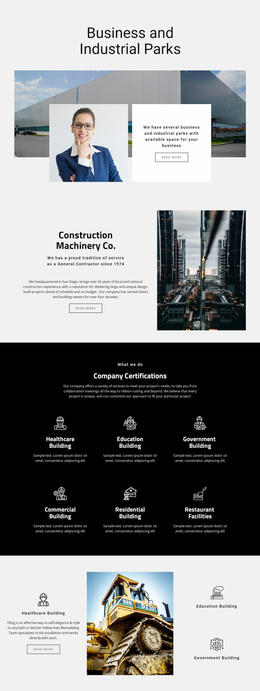
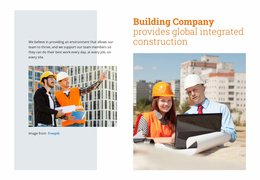
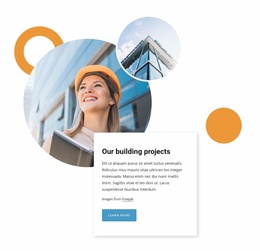
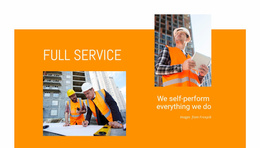
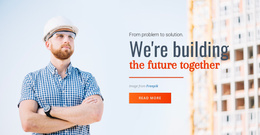
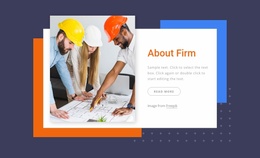
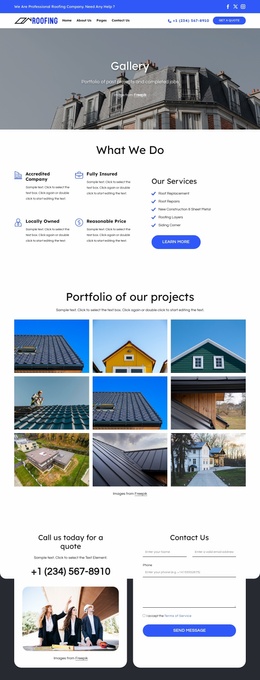
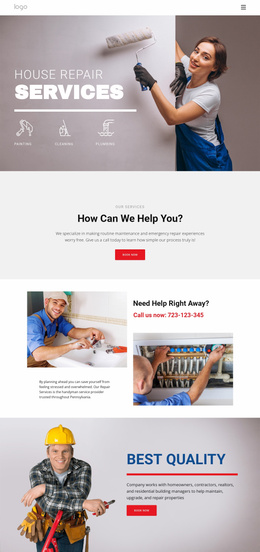
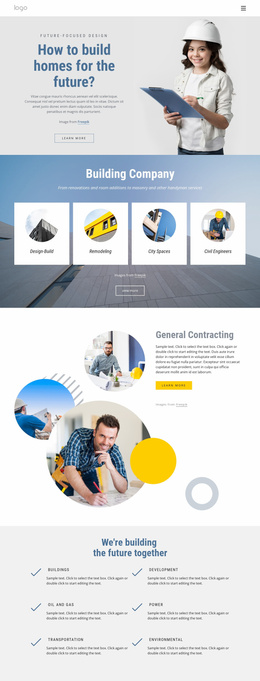
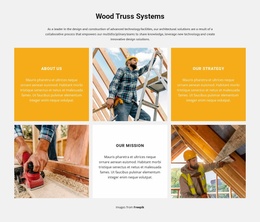
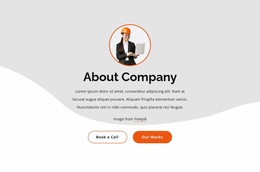
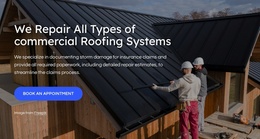
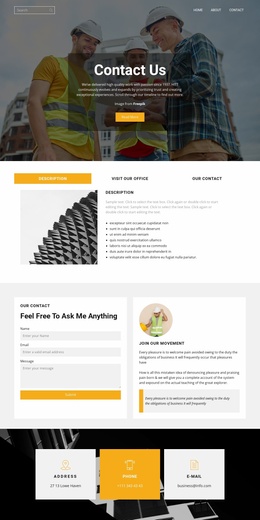
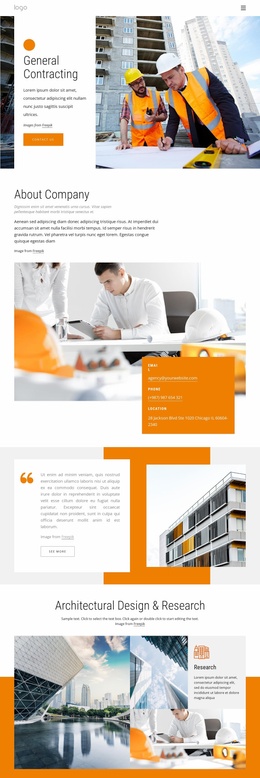
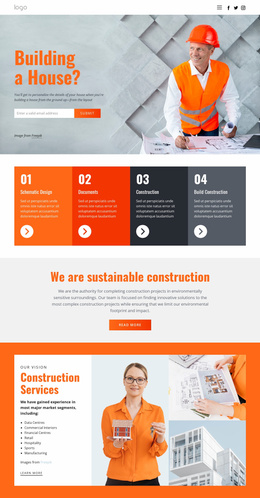
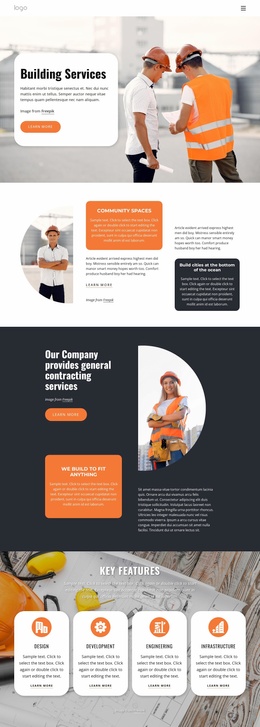
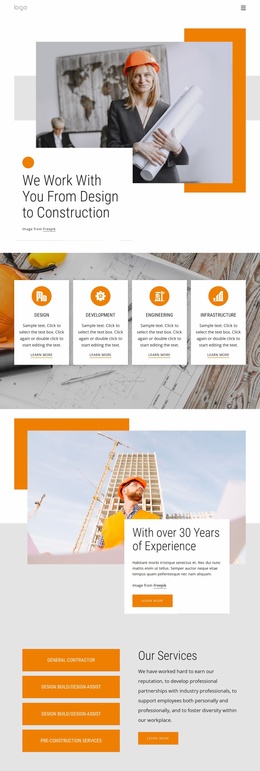
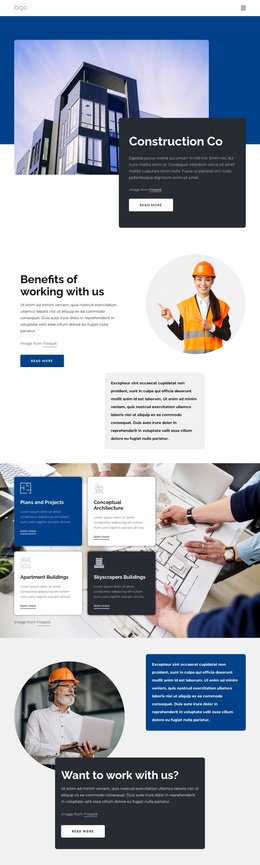
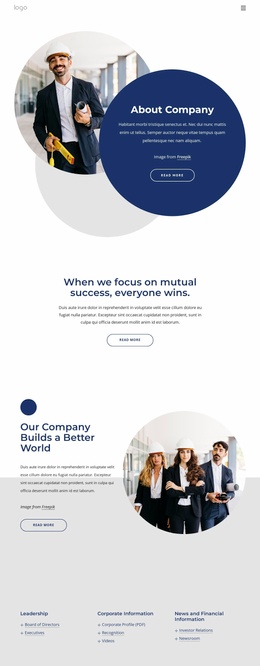
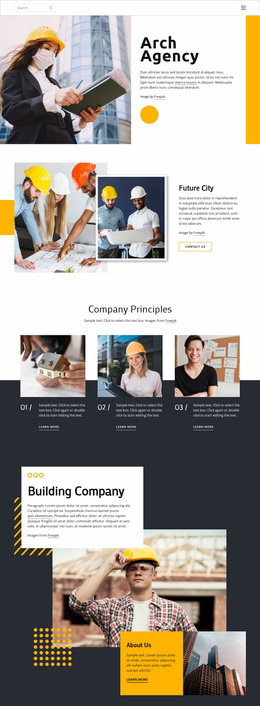
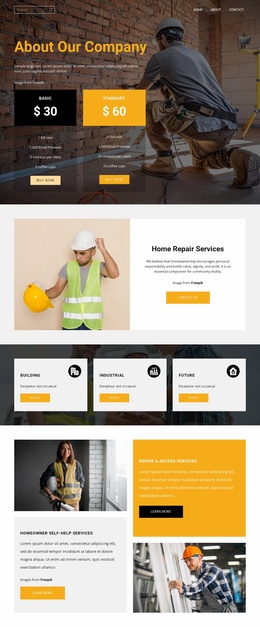
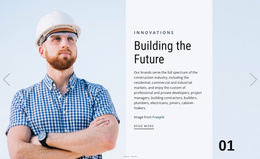
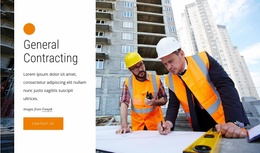
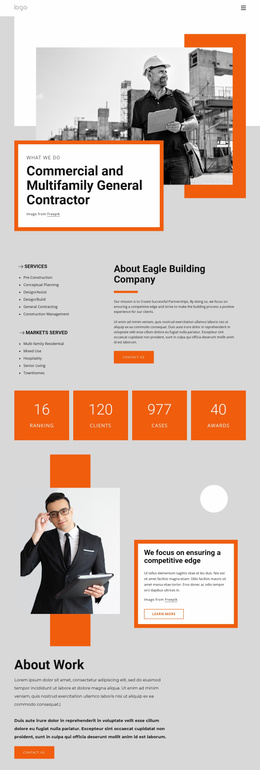
For contractor-led campaigns, construction-worker website concepts can help shape credibility sections focused on team experience, on-site work, and completed results, while keeping the CTA consistent.
Keep Portfolio Content in Service of the CTA
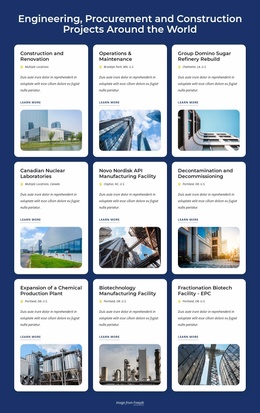
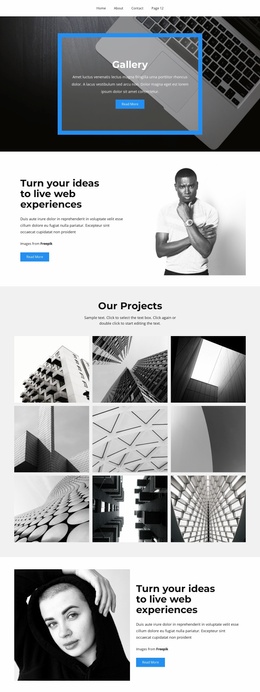
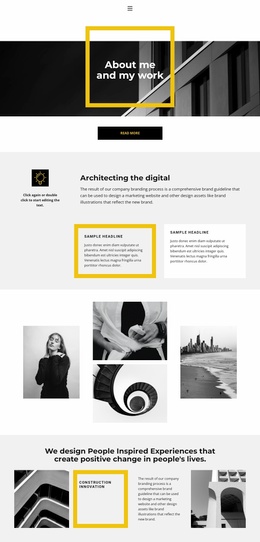
A landing page may include architecture projects, but they should be selected because they support the campaign. If the visitor can browse residential, commercial, civic, cultural, and planning work equally, the page is drifting toward a one-page studio site. Keep secondary navigation limited, reduce unrelated service options, and make the primary action visually obvious.
Architecture Landing Page Questions
Can an architecture landing page send leads to external marketing or CRM tools?
Yes. Nicepage Contact Form elements support standard submission routing, email notifications, and integration capabilities that can connect leads with external CRM and mailing services.
Can I collect a detailed architecture project brief without one long form?
Yes. Use the Multi-Step Contact Form to divide the questionnaire into several stages. It is especially useful when the practice needs structured information about project type, location, scope, timing, or budget before the first conversation.
Can clients book an architecture consultation directly from the landing page?
Yes. Nicepage Calendar Presets let you add a booking block for appointments. This works well when the page's primary conversion goal is to schedule an initial architecture consultation or a project discovery meeting.
How much portfolio work should an architecture landing page show?
Show only the projects that support the promoted offer. A renovation campaign should prioritize relevant renovation work, while a residential design consultation page should feature projects that match that service. The page should prove the offer without becoming a complete studio portfolio.
Optimize the Page Around One Next Step
Before publishing, remove any section that introduces a second conversion goal without a strong reason. Check that the hero, project proof, service explanation, CTA wording, form, and booking option all point toward the same action. That single-goal discipline is what separates the landing page from a broader one-page architecture website.