Accordion Landing Pages



























Modern Accordion Landing Page Sections for Compact Decision Support
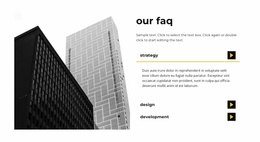
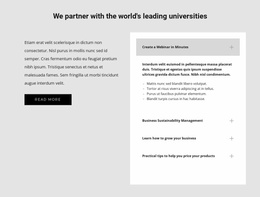
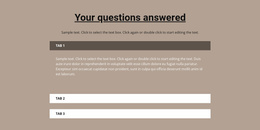
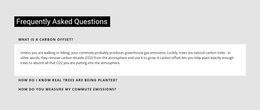
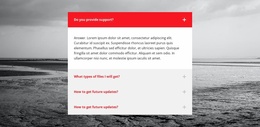
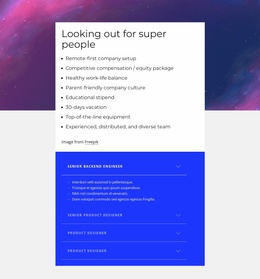
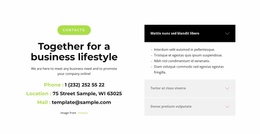
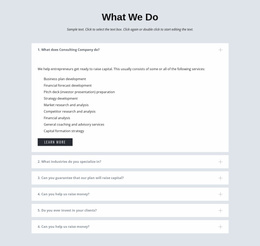
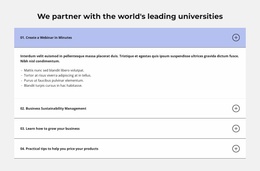
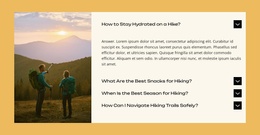
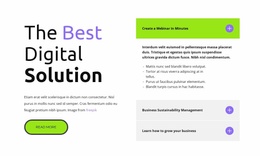
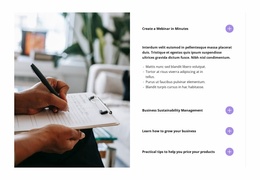
Near a decision point, too much supporting information can compete with the main message or next action. An Accordion Landing Page section keeps that detail in stacked, expandable panels, letting visitors scan headings first and reveal only what they need. The result is controlled information density, not another long block of permanently visible copy.
What Does an Accordion Add to a Landing Page?
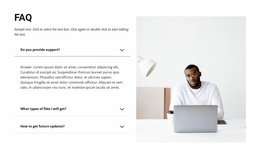
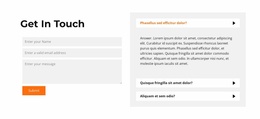
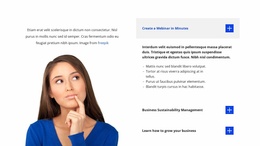
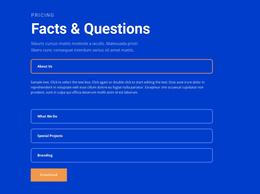
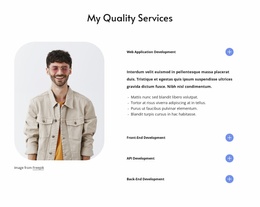
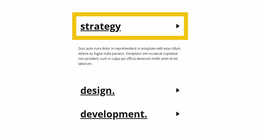
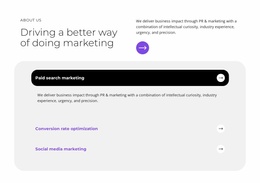
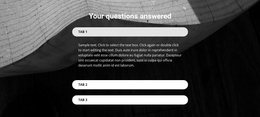
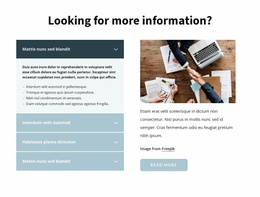
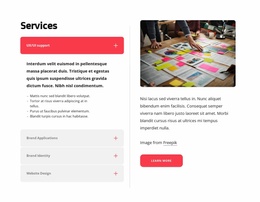
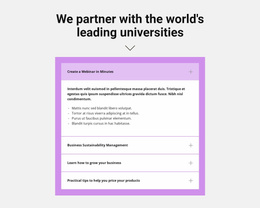
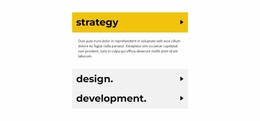
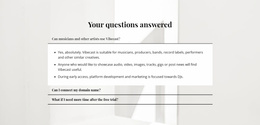
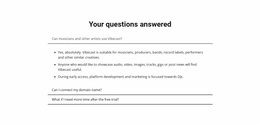
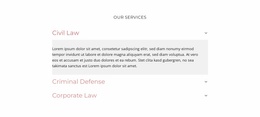
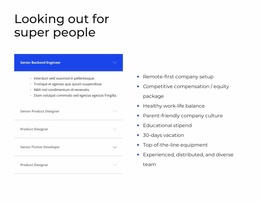
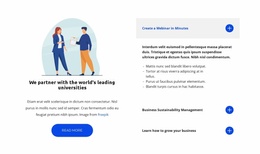
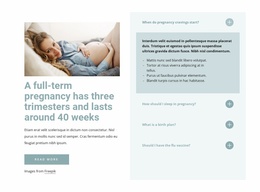
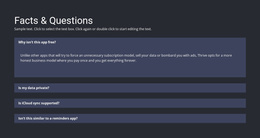
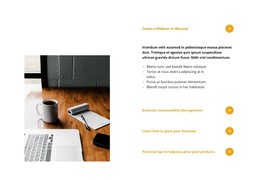
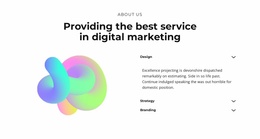
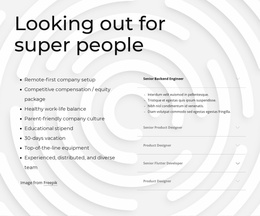
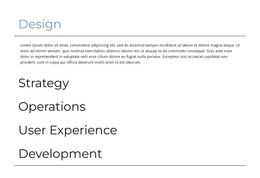
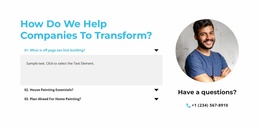
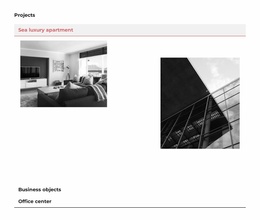
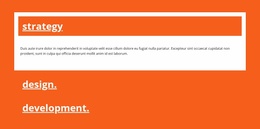
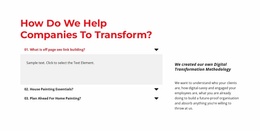
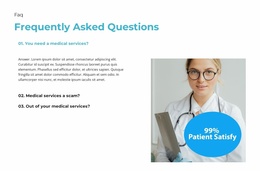
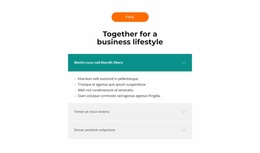
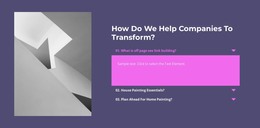
An Accordion adds progressive disclosure. Each item presents a visible heading and a corresponding content body that opens when selected, while several items form a vertical sequence that remains easy to scan.
On a landing page, this pattern works well for conditions, service details, technical explanations, delivery information, process steps, or other supporting material that may influence a decision but doesn't need to dominate the first view.
The key is placement. An Accordion works best when visitors already understand the core offer and may need additional detail before continuing. It supports the decision path without pretending that every piece of information deserves equal visual priority.
Use a Simple Accordion to Control Supporting Detail
The Nicepage Accordion Element provides the core expand/collapse interaction for this section pattern. When adapting an Accordion block, keep each heading specific enough to explain what is hidden behind it.
Avoid vague labels such as “More Information” repeated across several items. Use headings that tell visitors what they can reveal, for example:
- Conditions for requirements or limitations.
- Specifications for technical detail.
- Process Details for steps or timing.
- Guarantees for reassurance before the next action.
A visitor scanning the stack should be able to distinguish supporting topics without opening every panel.
Content length also matters. If every item contains only one short sentence, hiding it may add unnecessary interaction. Accordion is more useful when the revealed bodies contain enough detail to justify progressive disclosure.
Place Expandable Panels Near a Decision Point
The landing-page angle is about conversion role, not about turning Accordion into a complete landing page. The section should support a response or next action by reducing friction around secondary information.
For example, a compact Accordion can sit after an offer explanation or near a decision-oriented area where visitors may want clarification before continuing. The primary message and CTA remain outside the block when appropriate; the Accordion handles supplementary detail that would otherwise make the surrounding section harder to scan.
This differs from a one-page-template angle, where the main question is where Accordion fits in a continuous vertical sequence. Here, the question is whether revealing selected detail helps visitors make or confirm a decision.
Accordion vs FAQ for Landing Page Content
Accordions and FAQs can overlap visually, but they shouldn't be treated as synonyms.
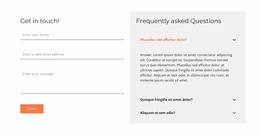
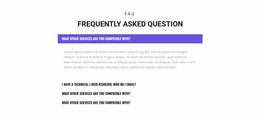
Accordion describes interaction: stacked panels open and close so visitors control how much detail is visible.
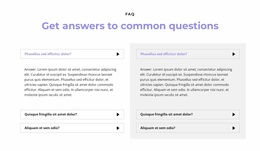
FAQ describes content: recurring questions are paired with answers to resolve specific uncertainties.
A landing-page Accordion can contain policies, specifications, service conditions, comparison details, or process explanations without using question-and-answer wording. If recurring customer questions are the defining content, FAQ is the stronger semantic choice.
Accordion Landing Page FAQ
Where should an Accordion appear on a landing page?
Place it where supporting detail becomes useful to a decision, such as after the main offer explanation or near a later action point. The exact location should follow the page's information hierarchy rather than a fixed formula.
Should every objection become an Accordion item?
No. Use the Accordion when progressive disclosure improves scanning. Keep important information visitors should see immediately visible, rather than hiding it just to reduce page length.
Is an Accordion the same as an FAQ?
No. An accordion defines an expand/collapse interaction pattern. FAQ defines question-and-answer content. An FAQ may use Accordion behavior, but an Accordion can organize many other types of supporting information.
Can an Accordion support a CTA without containing the CTA?
Yes. The Accordion can resolve secondary questions or conditions near a decision point while the primary CTA remains visible outside the expandable panels.
Add Supporting Detail Without Crowding the Main Action
Choose an Accordion block whose item count and hierarchy match the information visitors may need before acting. Adapt the headings and panel bodies in the Nicepage editor, keep secondary detail compact, and use the section where progressive disclosure genuinely supports the landing-page decision path.