Real Estate Landing Pages
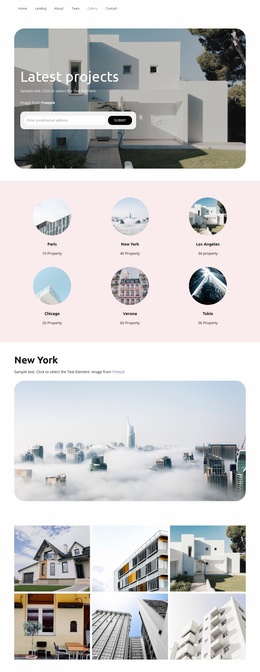
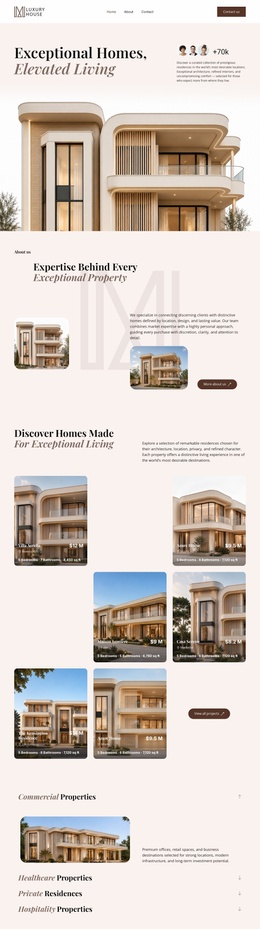
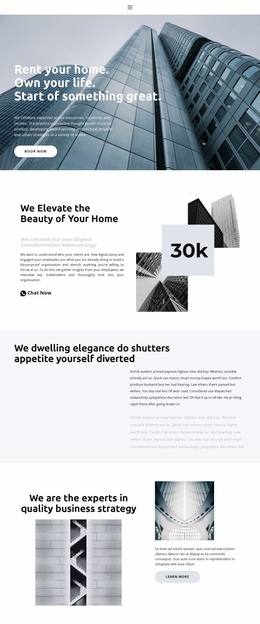
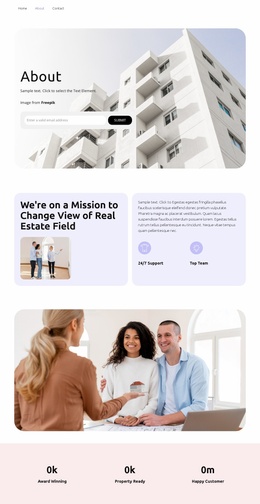
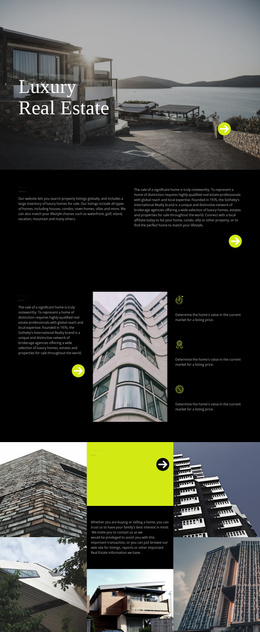

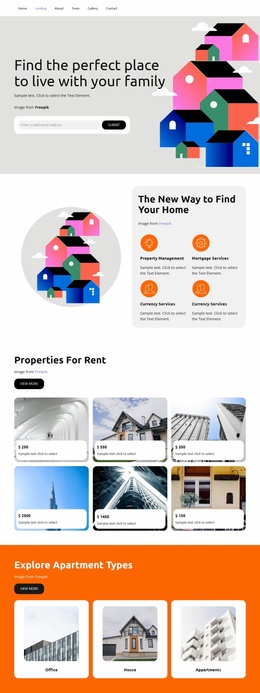

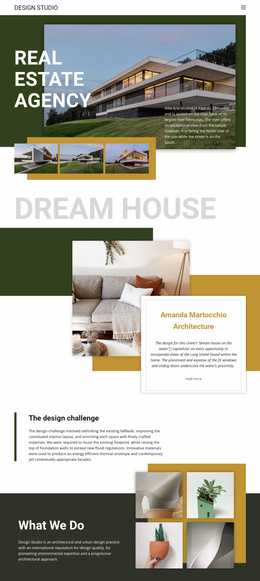
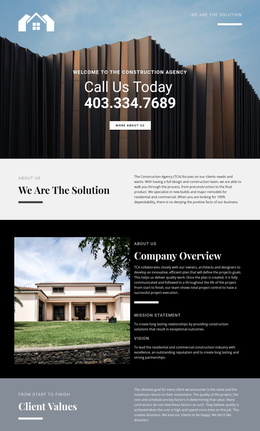
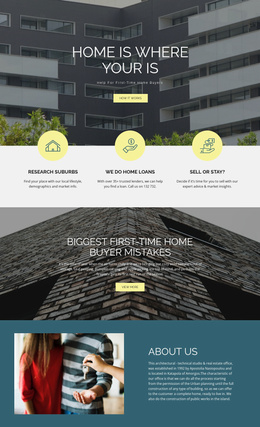


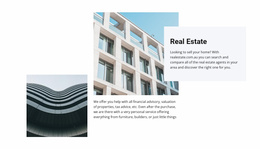

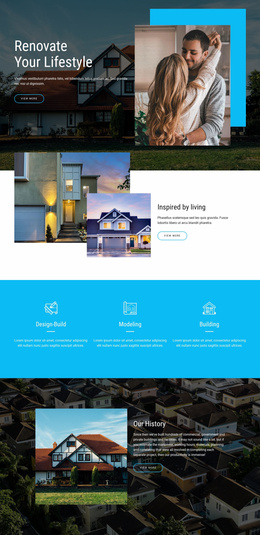
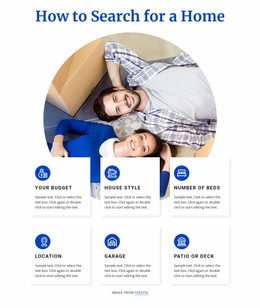







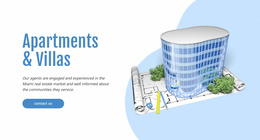
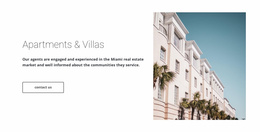
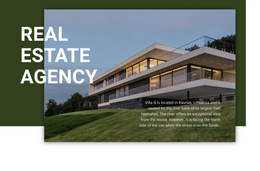





















High-Performance Real Estate Landing Page for Property Leads
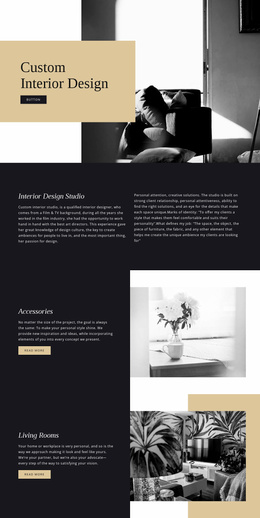
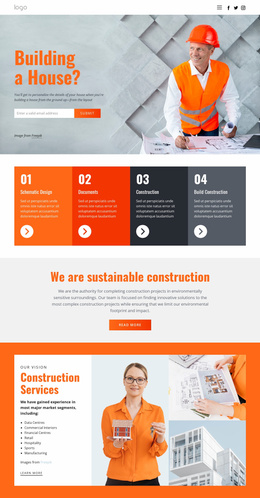
A real estate landing page is built for one offer and one next step: inquire about a featured property, request development details, book a viewing, or submit a valuation request. It is not a compressed agency website and does not need to explain every service the business provides.
What Should a Property Landing Page Show?
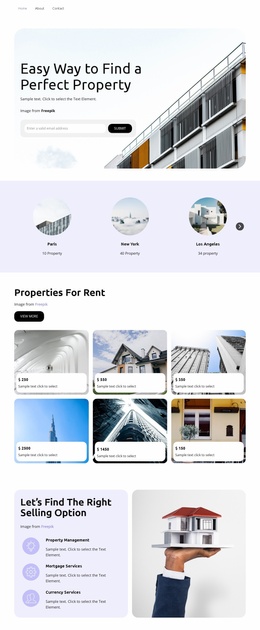
For a single property, the visitor should quickly see the headline, price, location, strongest image, and the main reason to act. A development page may lead with a from-price, available unit types, completion date, floor plans, and current availability. A seller campaign may focus on the valuation proposition, local proof, and a short form.
Useful details are concrete: available viewing dates, property status, floor-plan downloads, unit availability, agent contact information, or a form that asks which property or time slot interests the visitor.
Supporting content should answer only the questions that affect the action. If location, amenities, financing context, or proof helps someone decide whether to inquire, include it. If a section exists only because it appears on a typical company website, you can usually remove it.
Features for Real Estate Lead Capture
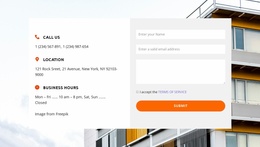
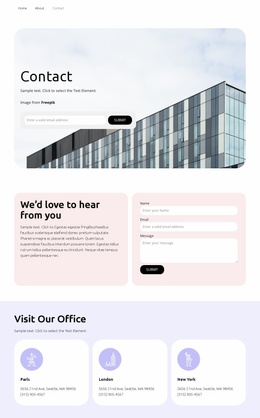
The Contact Form Element can collect buyer, tenant, seller, or viewing information, while Contact Form Leads lets you gather prospects submitted through site forms. The Contact Form Leads feature is designed to collect leads from website forms.
The Button Element can support actions such as “Book a Viewing,” “Request Floor Plans,” or “Ask About Availability.” The Button Element can be styled to match the page design.
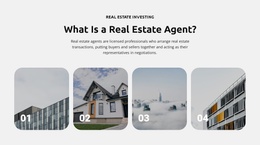
Gallery Carousel helps show several property photos without turning the page into a long image wall. Responsive Modes are especially important when price, location, status, and the inquiry action need to remain easy to reach on smaller screens.
Keep Every Section Connected to the Offer
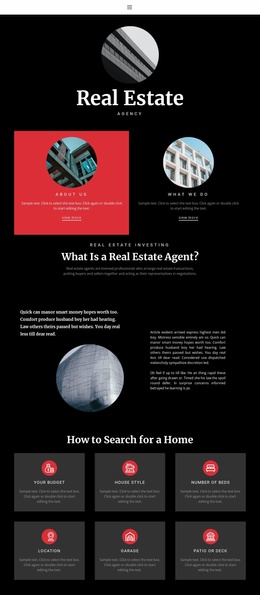
For a featured apartment, the useful sequence may be property image and price → key facts → floor plan → location → viewing form. For a development, it may be project proposition → unit types → availability → location → request details. For a seller campaign, the logic can be valuation offer → proof → short process → form.
The structure can vary, but the page should always return to the same property, development, or valuation action rather than expand into general company navigation.
Real Estate Landing Page Questions
Can I collect preferred viewing dates in a landing-page form?
Yes. You can adapt form fields to collect information such as preferred dates, contact details, property interest, or other details the agency needs before arranging a viewing.
Can I show floor plans and current availability?
Yes. A development or property campaign can include floor-plan links, unit types, status information, and availability details as part of the focused offer.
Can Nicepage collect leads from a property viewing request form?
Yes. Contact Form Leads can capture prospects submitted through forms added to a Nicepage website, which is well-suited for viewing requests, seller inquiries, and other property campaign leads.
Build Around One Property Action
Present the offer, include the facts needed to evaluate it, and make the next step easy to complete on desktop and mobile. If the page starts describing the whole agency rather than the specific property, development, or valuation offer, it moves away from its landing-page role.