150 Pets & Animals Landing Pages
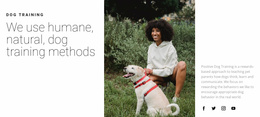

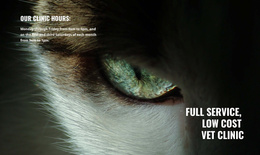

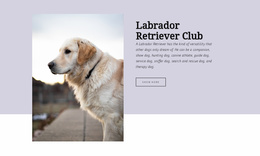
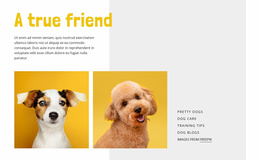



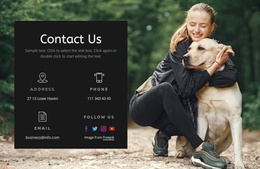

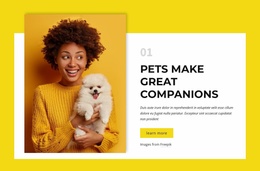
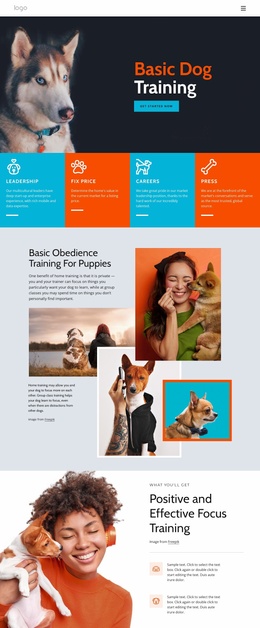
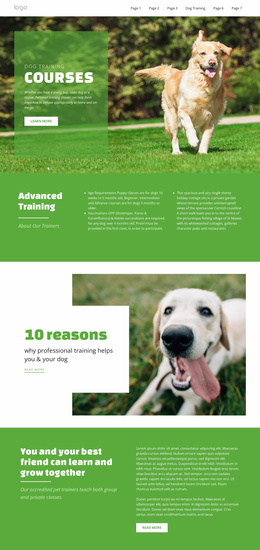
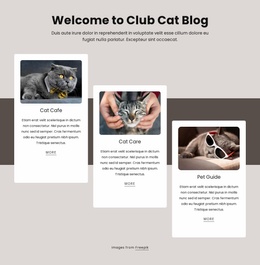
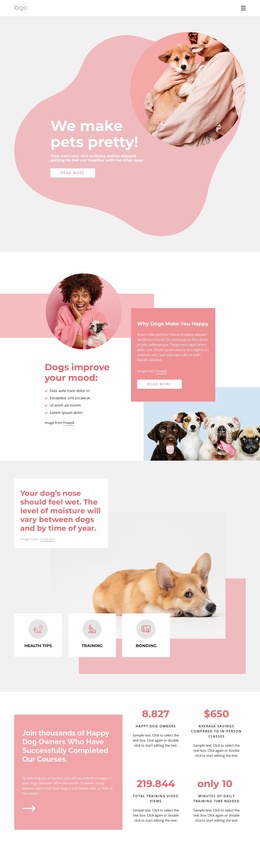
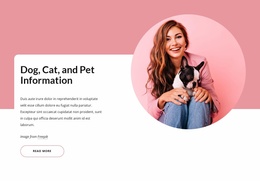
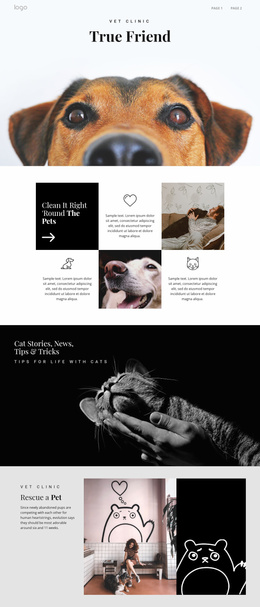


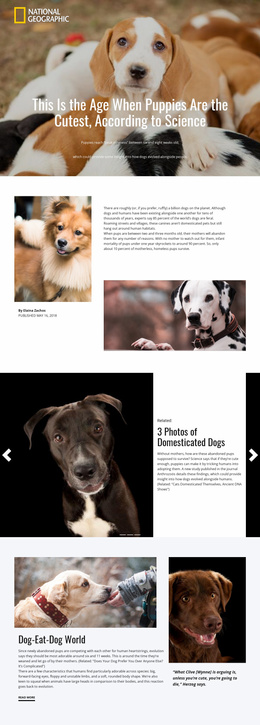

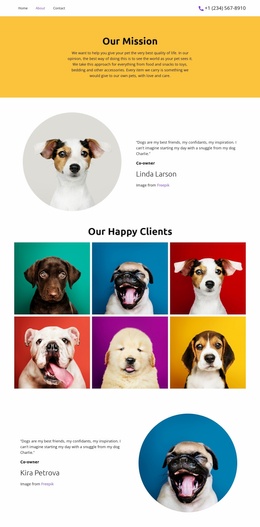

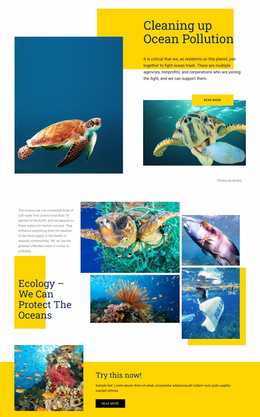
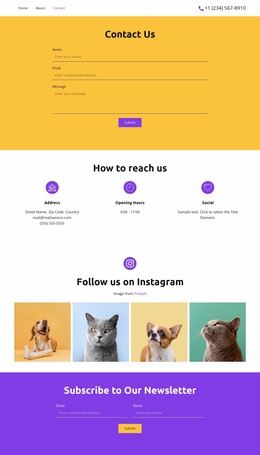
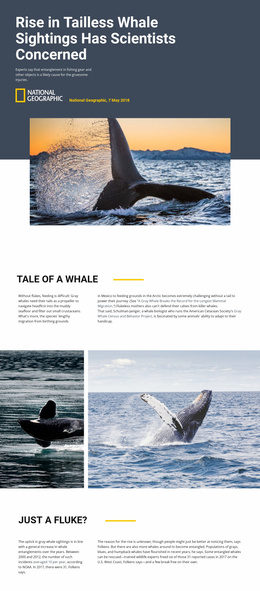
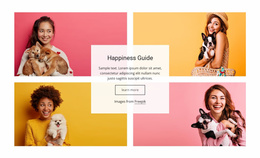
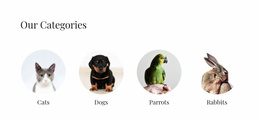
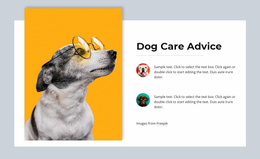







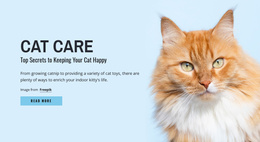


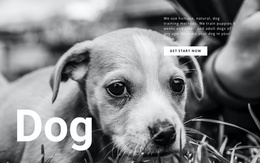

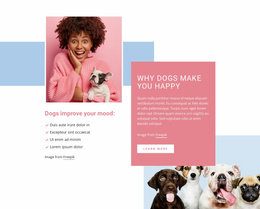
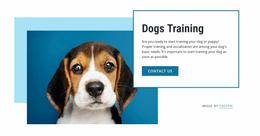









Pets & Animals Landing Page for One Focused Campaign
A pets & animals landing page should serve one campaign, one audience, and one primary response. Consider a veterinary dental-care promotion: the hero introduces the service; a short section explains when it may be needed; clinic credentials and client proof reduce uncertainty; an FAQ addresses common objections; and the same consultation CTA leads to the form.
This is different from a One-Page Template. A one-page site may contain several independent sections and several natural routes. A landing page is deliberately narrower: secondary information exists only if it helps the visitor understand or complete the campaign goal.
Build a Clear Conversion Sequence
A practical campaign hierarchy can be:
Offer → relevance → proof → key details → FAQ → CTA/form.
The first screen should make the offer and next step clear. Supporting sections should answer questions that could prevent the response from being submitted. Avoid giving equal prominence to unrelated services, news, social channels, or general navigation when they do not support the campaign.
For an adoption campaign, the same structure could be adapted around a single group of animals or a single intake event, but avoid mixing adoption, veterinary consultations, donations, and generic lead generation on the same page.
Landing-Page Tools That Support the Goal
The Contact Form Element can collect inquiry, signup, registration, or donation-related details depending on the campaign. Nicepage provides dedicated Contact Form Element controls, allowing the form to remain within the page flow.
The Button Element should make the main action visually clear and can point to a block, page, phone number, email, popup, or another supported target. The Button Element controls help connect repeated CTA placements with the same response path.
Edit Mobile Views matters because a long proof section or oversized image can push the form too far down on smaller screens. A slider or Modal Popup may be useful for a specific campaign, but neither should become a default feature if a simpler static section communicates the message more clearly.
Keep Secondary Content Subordinate
A common mistake is allowing a focused campaign page to grow into a miniature version of a general website. If a block does not clarify the offer, provide proof, resolve an objection, or help complete the response, question whether it belongs on the page at all.
Landing Page Questions for Pet Campaigns
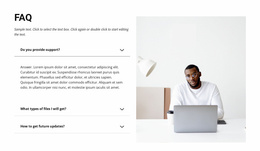
How many primary calls to action should an animal landing page have?
The page should have one primary response, even if the CTA appears more than once. Repeated buttons can lead to the same form or action rather than introducing several competing campaign goals.
Can a landing-page form connect with external marketing or CRM tools?
Nicepage form workflows support submission and integration options, but the exact connection should be checked against the service you plan to use and the current Nicepage integration capabilities.
Can animation hurt landing-page performance or SEO?
It can if implementation adds unnecessary weight, delays important content, or harms responsiveness. Use motion selectively, keep core text and actions accessible, and test actual performance rather than assuming an effect is harmless.
Review the Page Against One Question
Before release, ask whether every major section helps the same campaign response. If the answer is no, simplify the page. A landing page becomes clearer when proof, forms, and CTAs reinforce a single objective rather than competing with a broader site structure.