

Biography Website Designs
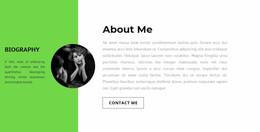
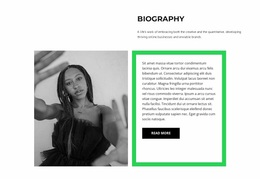
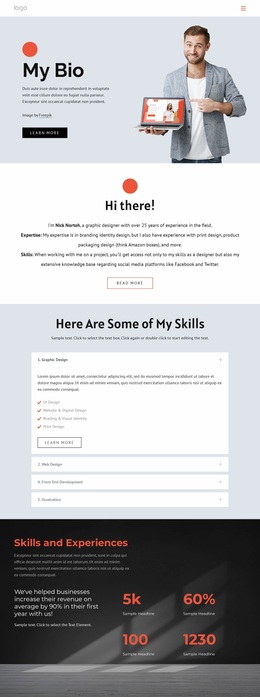
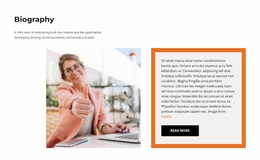
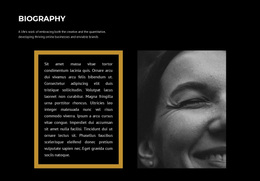
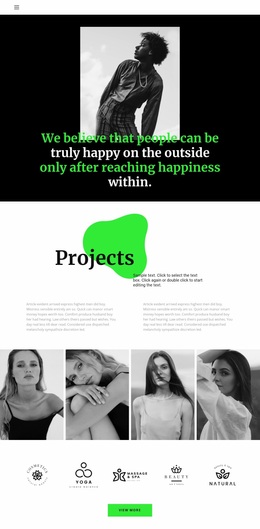
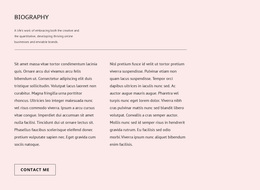
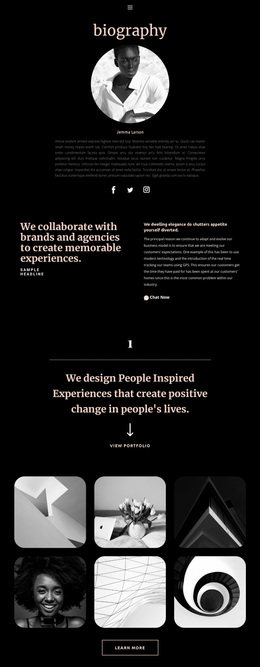
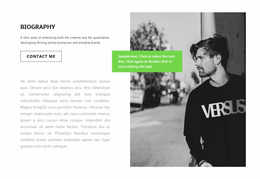
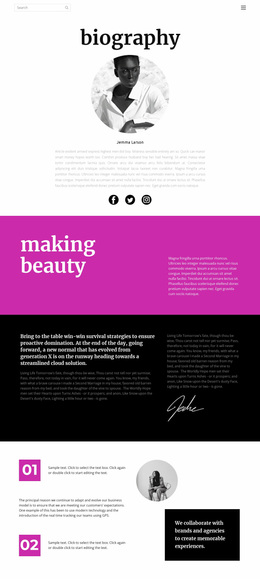
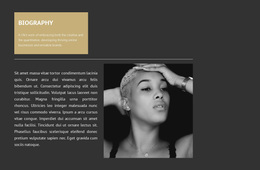
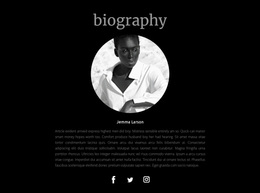
A scientist's biography should communicate credibility, while an artist's profile may express individuality and emotion. Thoughtful biography website design brings photographs, typography, and color choices together in a visual language that reflects the subject's character.





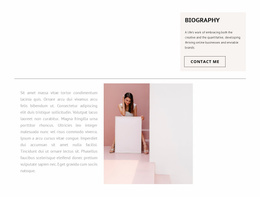
More Website Designs from Team Category

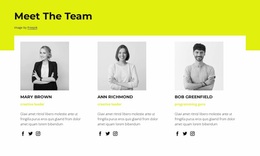

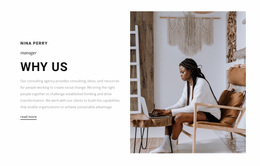


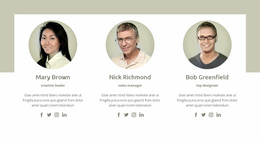
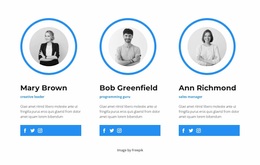


Other Team Website Designs
Unique Biography Website Design for Personal Identity
Give a biography website a visual identity that reflects the person behind the story. Authors, artists, researchers, and public figures need different approaches to colors, photography, and typography because their professional backgrounds communicate different qualities. Effective biography website design brings these visual decisions together, helping visitors recognize the subject's personality and understand the character of their achievements before they read every detail.
Establish a Distinctive Visual Language
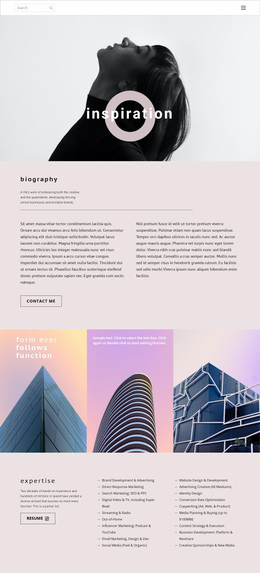
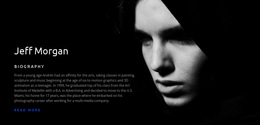
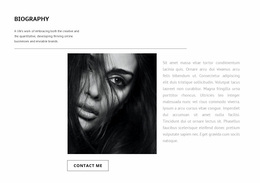
Art direction begins with a compositional idea, not just a color palette. An editorial hero can pair a large portrait with a narrow column of introductory copy. An asymmetric grid may place career milestones opposite documentary images. A full-screen portrait creates an immediate personal encounter, while a typographic first screen leads with the subject's name and a defining statement before revealing the photograph. Each option changes how the story first reaches the visitor.
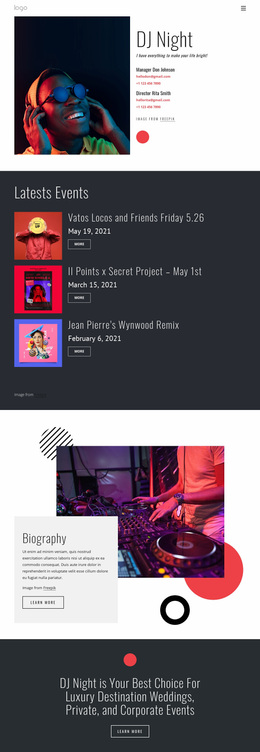
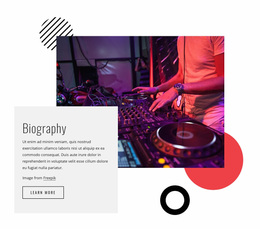
Consider two contrasting concepts. A researcher's biography might open with a measured typographic introduction, an archival portrait, and generous white space; later pages use document-like captions and quiet photographic sequences. A contemporary musician might begin with a full-bleed performance photograph, oversized display lettering, and energetic asymmetry, followed by alternating intimate portraits and live-event imagery. The first direction emphasizes evidence and reflection; the second emphasizes presence and performance.
The point is not to prescribe a profession-specific look. It is to choose a visual narrative that fits the available photographs, the intended audience, and the subject's actual public work.
Maintain a Consistent Biography Website Aesthetic
The art direction should develop across Biography, Work, and Press without cloning the same hero composition three times. Biography can use a close portrait and long-form narrative; Work can shift to larger project images and concise captions; Press can adopt an editorial rhythm of article titles, publication marks, and interview photography. Repeated type choices and a coherent photographic treatment make the pages feel like they belong together, even as their compositions change.
For a researcher, that might mean documentary portraits on Biography, research imagery on Work, and restrained media excerpts on Press. For a musician, the same page sequence might move from a studio portrait to performance photography and then to magazine features. Consistency comes from art direction and pacing, not identical grids.
Nicepage supports project-wide Site Colors, allowing a coordinated color scheme to appear across multiple pages. Combined with a consistent font scheme, this helps preserve the intended visual character throughout a biography website.
Visual unity should not eliminate variety. Different sections can use contrasting photographic compositions, accent colors, or text arrangements while retaining the same overall identity.
The strongest biography website design expresses the individual's character without obscuring their story. Establish a clear visual direction, select imagery that represents the subject authentically, and maintain consistency wherever the biography appears. A coherent presentation helps the person remain recognizable across every part of the website.