

Menu Landing Pages
A seasonal dinner offer or featured tasting menu needs more than a list of dishes. A focused landing page presents the food, explains the dining experience, and guides interested guests toward a reservation or inquiry through a clear call to action.
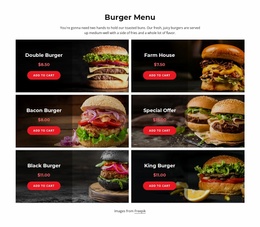
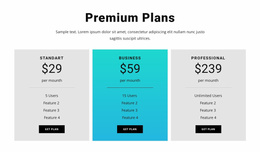
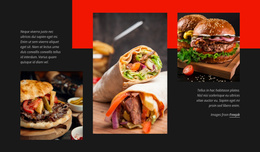




























Other Food & Restaurant Landing Pages
Menu Landing Page for Restaurant Specials and Reservations
A menu landing page has one job: turn interest in a specific dining offer into a reservation or inquiry. Unlike a general restaurant menu, it should not ask visitors to browse every dish. Consider an illustrative campaign titled Weekend Seafood Tasting Menu — $65 per Person. Its content should explain the experience quickly and make the next step obvious.
Focused Restaurant Menu Offers
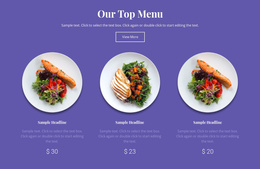
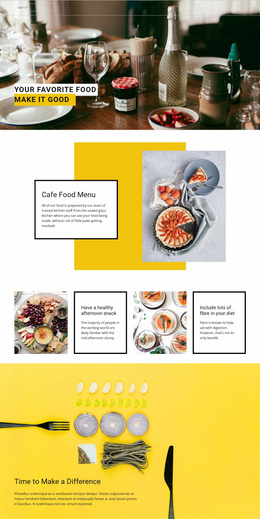
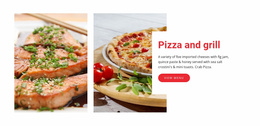
The opening section can show a strong photograph of a featured seafood course, the offer title, a short description of the tasting experience, and a Reserve a Table button. Immediately below, include the number of courses, the available dates, and the $65 per-person price. If drinks, taxes, or service charges are excluded, state that near the price rather than hiding it in unrelated text.
For example, an illustrative five-course weekend menu could feature an oyster starter, seafood soup, grilled fish, a palate cleanser, and dessert. A concise preview gives guests enough information to judge the experience without turning the page into a full à la carte catalog. Use actual dates and conditions when the campaign is published; example dates and availability should never be presented as real offers.
Conversion-Focused Menu Content and CTA Placement
Visitors should be able to answer three questions before booking: What is included? When is it available? What will it cost? Put the primary CTA close to the offer headline and repeat it after the essential details for people who need to read more. Both buttons should lead to the same reservation destination or process.
The page can also address dietary accommodations, cancellation rules, and whether advance payment is required. These details reduce uncertainty at the point of action. Avoid unrelated navigation links that pull visitors toward ordinary restaurant pages before they understand the special offer.
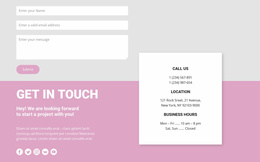
Nicepage provides Buttons and Contact Forms for building these pathways. A button can lead to an external booking service; an inquiry form can collect requests if the restaurant handles reservations manually. Neither element by itself guarantees live table availability.
Keep the Campaign Distinct From the Full Menu
A one-page restaurant menu aims to display the broader selection in a continuous scroll. A landing page instead highlights one limited offer, its benefits, and its booking conditions. A restaurant may link to the full menu for additional context, but that should remain secondary to the campaign's primary action.
Review the final page as a potential guest would: the offer, price, dates, and reservation route should be clear without searching through unrelated restaurant information.