
Trade HTML5 Templates
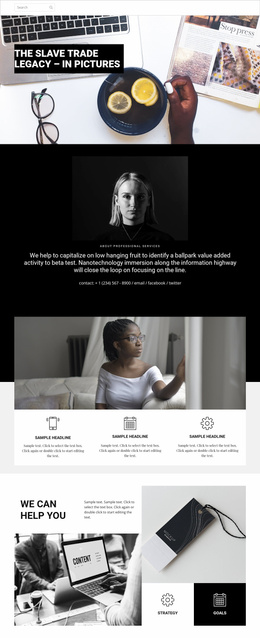
Product ranges, specifications, supplier credentials, and quotation details need clear structural boundaries. A trade HTML5 template provides reusable markup sections that preserve this hierarchy while adapting the page to different screens.
-

-

-
-
-
-
-
-
-
-
Free Website Builder SoftwareDownload
-
-












More HTML5 Templates from Sale Category
-

-
-
-
-
-
-
-
-
-
-
Free Website Builder SoftwareDownload
-
-
-
-
-
-
-
-
-
-
-
-
-
-
-
-
-
-
-
-
-
-
-
-
-
-
-
-
-
-
-
-
-
-
-
-
-
















































Other Sale HTML5 Templates
Modern Trade HTML5 Template
A trade HTML5 template is a finished design you can take almost as-is and adjust to your own business. The sections are drawn, the layout already works across screen widths, and the underlying build follows current standards, which will matter later when the site has to grow. You also get a visual direction along with the sections, which shortens the distance between the demo and a live site. For a trading company, that combination usually beats assembling the same arrangement from scratch.
What Modern Builds Include
Templates in this collection arrive with the areas a trade site needs, waiting for your own material:
- Catalog areas for product families, with room for images, short descriptions, and technical values.
- A company area covering certifications, production capacity, and market presence.
- Inquiry or quotation forms, placed where a buyer has enough context to ask.
- A responsive layout that holds from a wide desktop down to a phone.
Media support belongs on that list too. Product photography, certificates, and technical diagrams have planned places, so adding a gallery later does not mean redrawing everything around it.
Reusable Sections as Product Ranges Expand
Trade catalogs grow, and the way a template handles growth shows up early. Three things stay easy when the sections are built for repetition:
- A new product family gets the same presentation as the rest, without a fresh design decision for every addition.
- Specification areas keep a consistent shape, so a buyer comparing two categories reads them the same way.
- Certificates and market information sit apart from the catalog, which keeps both simple to update.
Semantic structure is part of why that works. Modern markup keeps the meaning of each area visible, and a template that respects it stays predictable while you extend it.
Room for Later Growth
The interesting question about a ready design is what happens a year in. Adding a section, splitting a catalog area in two, or moving the inquiry form higher should be routine work, and a solid HTML5 foundation treats it that way. Look at how the demo behaves at narrow widths before deciding, since a layout that already survives a phone will survive your extra sections.
A template that already carries your kind of sections tends to absorb the next two years of changes quietly. After heavy editing, a short validation pass is worth the minute it takes. What makes an HTML5 template worth picking is that ordinary combination: a modern responsive foundation with trade sections already in place and enough room to keep building on it.