Real Estate HTML5 Templates




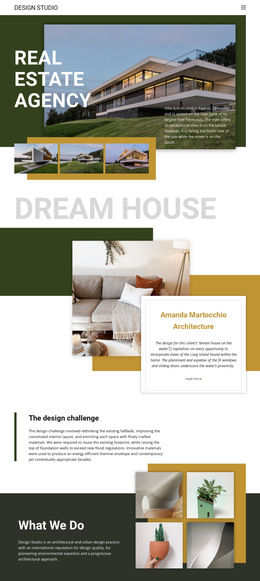
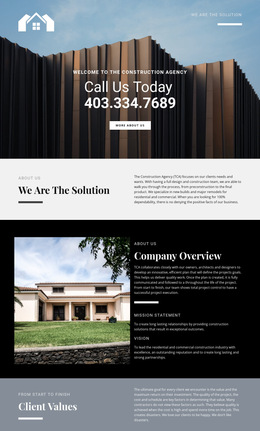
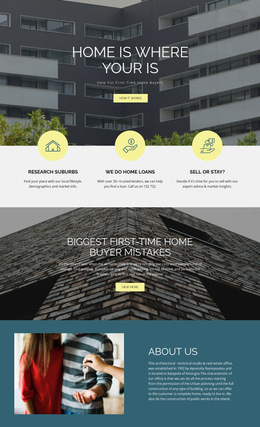

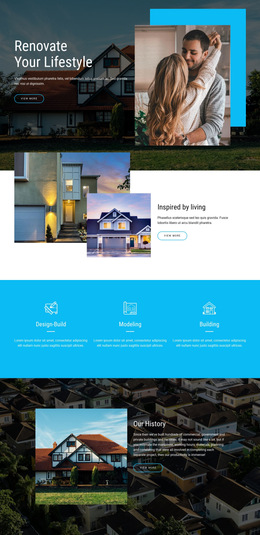


















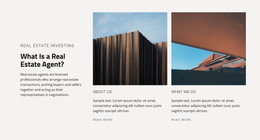




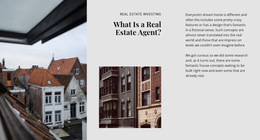



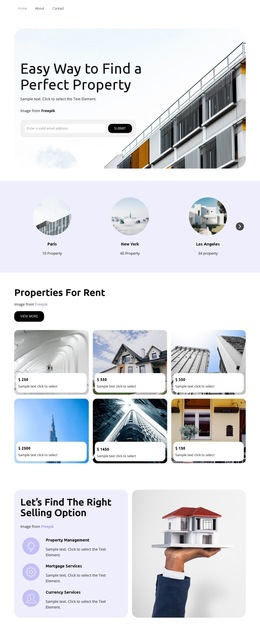

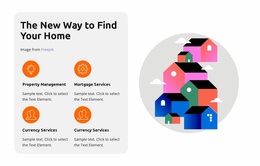




































Responsive Real Estate HTML5 Template for Property Frontends
A real estate HTML5 template is most useful as an implementation-ready frontend layer. Its value lies in how semantic structure, content order, and responsive behavior hold together when a property page moves from a wide desktop viewport to a tablet or phone.
What Makes an HTML5 Real Estate Template Implementation-Ready?
The HTML5 structure should keep the important property content in a logical sequence before visual styling is applied. Headings, property facts, images, controls, and contact actions need a predictable document order so the page remains understandable when columns stack or sections reposition.
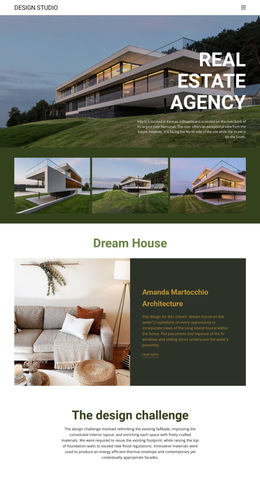
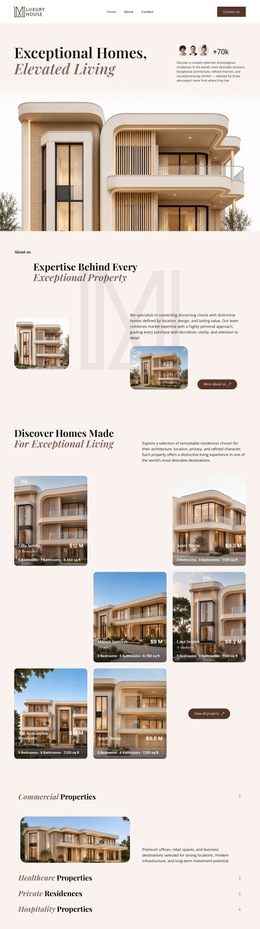
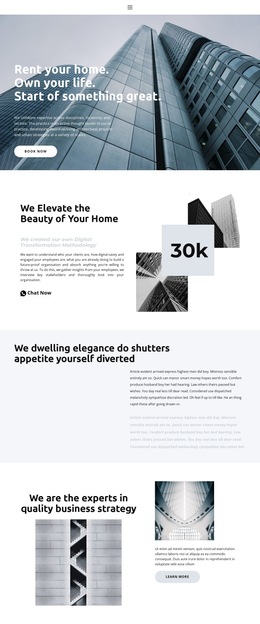
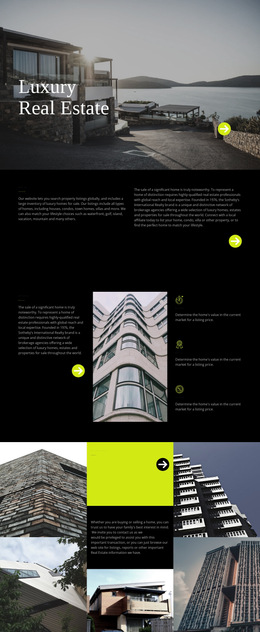
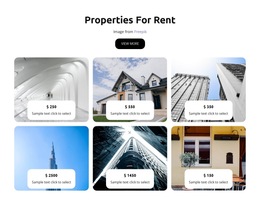
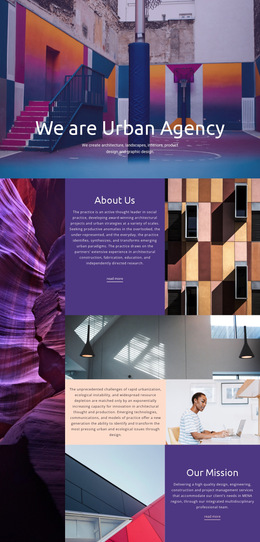
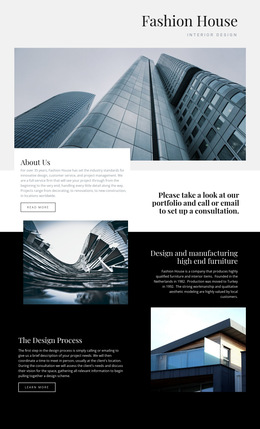
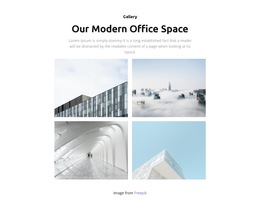
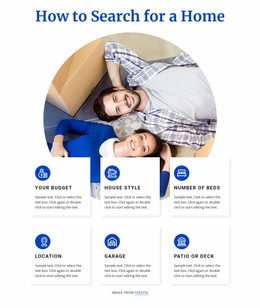
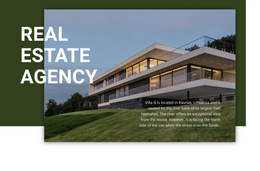
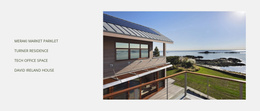
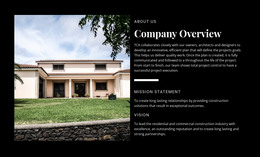
A residence-focused layout can provide a useful visual direction for home presentation, amenities, location context, and image-led sections. Nicepage lets you refine those blocks visually before preparing the final HTML output.
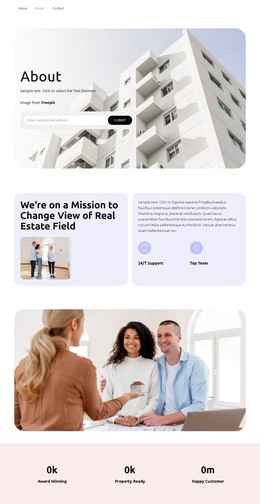
Responsive behavior is central here. A multi-column desktop composition may become a single-column mobile flow, but the key question is not simply how the grid looks after the change. It is whether the information still appears in the right order: title before supporting details, price near the relevant property, controls before the content they affect, and contact actions after enough context has been provided. The Responsive Modes documentation explains the available device views.
Structure, Viewport Changes, and Reading Order
An implementation-ready HTML5 property frontend should answer structural questions such as:
- Which facts remain early in the reading order when columns stack?
- Does each image stay associated with the correct title and property information?
- Do controls move to a sensible position when horizontal space disappears?
- Does the heading hierarchy remain coherent after responsive rearrangement?
- Can contact actions stay reachable without interrupting the content sequence?
For rental-oriented projects, rent website ideas can help shape availability-focused content while the HTML5 layer keeps that information organized across devices. Nicepage also provides SEO Settings for page titles, descriptions, and other supported properties before publication.
Visual details such as hover treatments, badge colors, spacing scales, and typography changes belong mainly to the CSS layer. The HTML5 concern is the underlying frontend structure, semantic organization, and the order in which property information survives viewport changes.
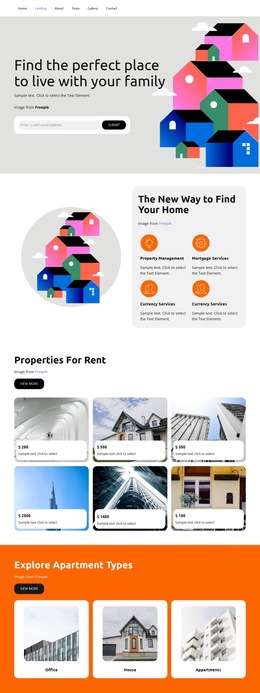
A renting-focused concept can offer another visual direction when the audience is primarily tenants rather than buyers.
Real Estate HTML5 Template Questions
What is the main advantage of an HTML5 real estate template?
It provides a structured frontend foundation whose content hierarchy and responsive behavior can remain predictable as the layout changes across devices.
What should happen when a property layout stacks on mobile?
The important information should remain in a logical reading order. Property facts, headings, images, and contact actions should remain correctly associated rather than follow their desktop visual positions.
Can I add page metadata before publishing?
Yes. Nicepage supports custom meta tags and SEO descriptions via page settings, as well as Schema markup and custom CSS where required.
Use HTML5 as the Responsive Implementation Layer
Choose this category when the priority is how a real estate frontend is structured and how it adapts to viewport changes. Use the broader HTML template category when the main question is which finished pages, layouts, galleries, forms, and reusable page types are included in the ready-made product.