

Blogger HTML5 Templates
Personal essays, travel reports, and cultural reviews benefit from clearly identified articles, publication dates, and meaningful content sections. A blogger HTML5 template provides a structured foundation for readable posts, embedded media, and navigation across desktop and mobile devices.
-

-
-
-
-
-
-
-
Free Website Builder SoftwareDownload
-
-
-
-
-
-
-
-
-




More Website & HTML Templates for Blogger

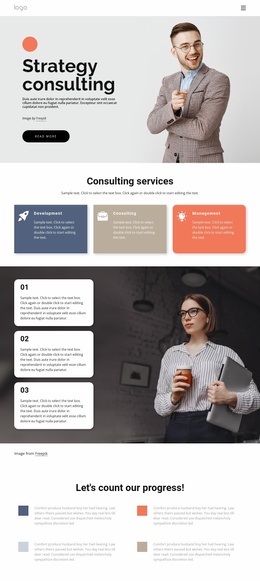


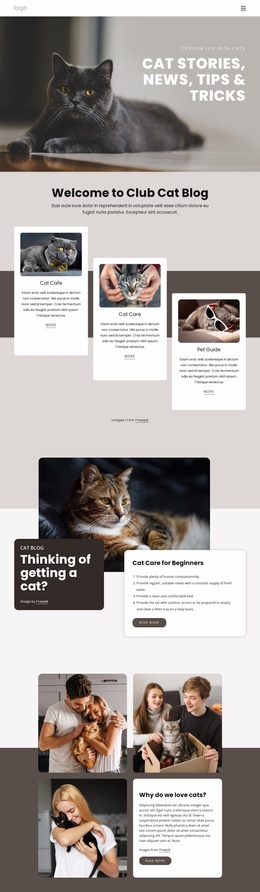
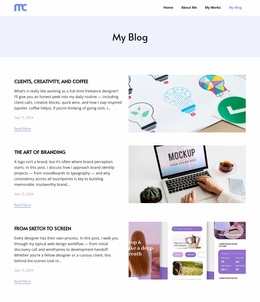
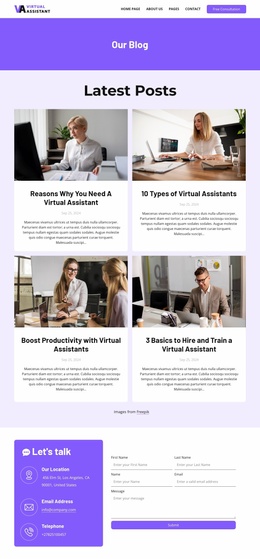
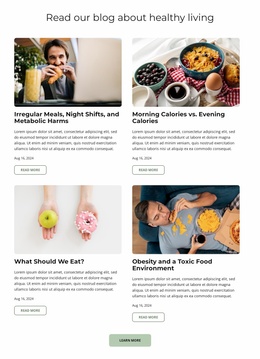
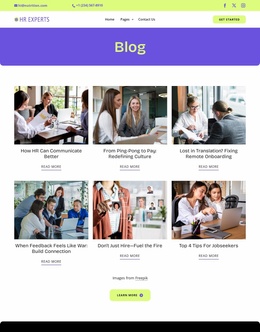
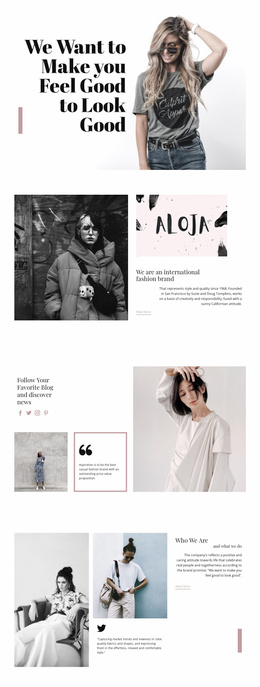
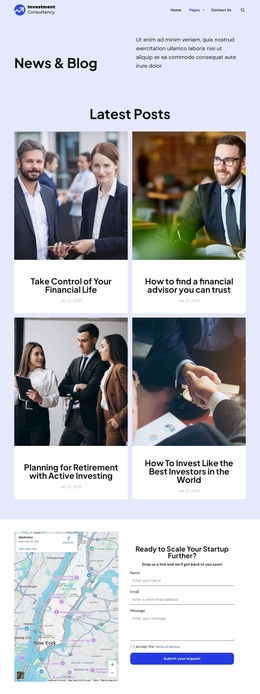
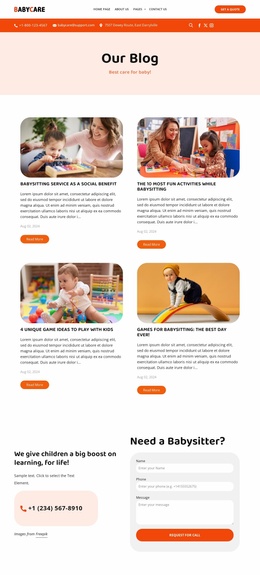
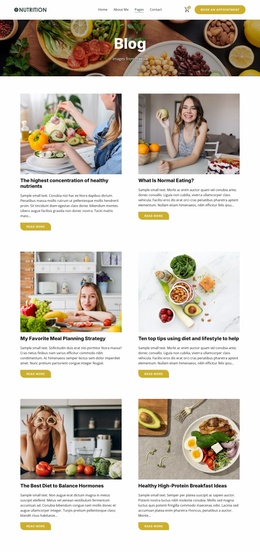
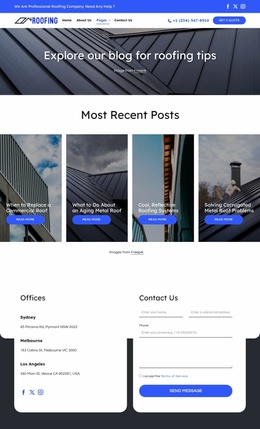
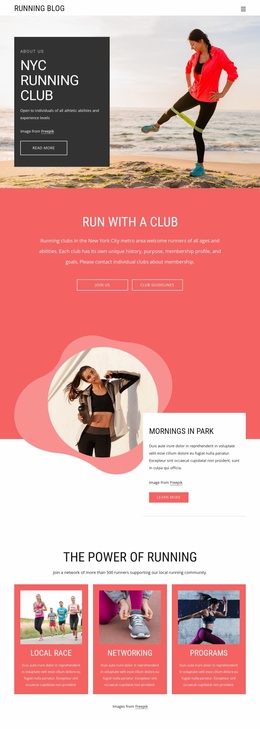
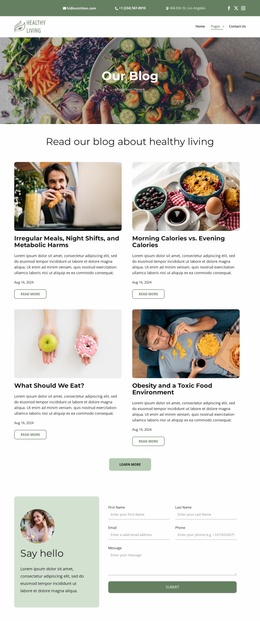

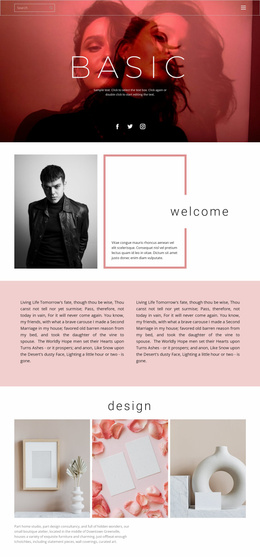
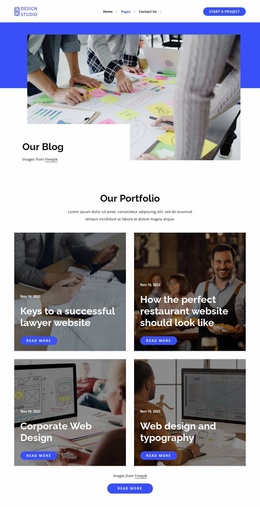



More HTML5 Templates from Blog Posts Category
Other Blog Posts HTML5 Templates
Modern Blogger HTML5 Template for Structured Articles
When a personal journal contains photographs, dated entries, interviews, and lengthy essays, its content needs more than an attractive arrangement. A blogger HTML5 template provides a foundation for meaningful article structure, keeping individual stories and supporting information clearly distinguished. For travel diarists, cultural commentators, and independent writers, semantic organization helps readers and browser technologies interpret the relationship between headings, publication details, and article content.
Semantic HTML5 Elements for Blogger Articles
When comparing HTML5 blog templates, look beyond the preview and inspect how the generated document identifies its main content, individual posts, dates, images, and supporting navigation. HTML5 elements can express these relationships, but their presence and correct use must be checked in the actual output.
A travel diary might contain individual destination reports, while a cultural blog could feature reviews and interviews. Each story should have a recognizable content boundary and an appropriate heading hierarchy.
A possible publication outline is <main> containing an <article>; within it, a <header> holds the headline and <time datetime="2026-11-05">November 5, 2026</time>, followed by the story and a <figure> with an image and <figcaption>. Navigation and related material can sit outside the article as appropriate. This is an illustrative structure, not verified markup from every Nicepage template.
When reviewing the exported HTML, check that each post is marked as a separate article, publication dates use the appropriate tags, and image captions stay associated with their pictures. The preview alone cannot show whether these details are set up correctly.
For a blogger who publishes recurring essays, consistent article boundaries and descriptive headings can also support clearer document navigation.
Responsive HTML5 Structure for Long-Form Reading
A visually polished layout can still have a confusing source order. For example, CSS might place a sidebar beside an essay on desktop, while the HTML document puts that sidebar before the main story. Inspect the document order and check whether it remains understandable when styling is removed, or a screen reader follows the source sequence.
A cultural review may include an introductory summary, several analytical sections, and a concluding opinion. A travel report might combine location descriptions with photographs and dated observations.
Useful implementation checks include:
- Heading hierarchy: Maintain a logical order between the article title and its subsections.
- Image alternatives: Provide meaningful alternative text when images communicate information.
- Media captions: Keep explanations associated with the relevant photographs or illustrations.
- Document order: Check that the source sequence remains logical independently of the visual column arrangement.
- Keyboard navigation: Verify that links and interactive elements remain accessible.
- Markup validation: Inspect the final HTML5 output for structural and standards-related errors.
These checks are especially valuable when several authors contribute articles with different lengths and media requirements.
Use the Post Template to adjust how individual blog posts are presented, then inspect the exported markup to confirm any HTML5 semantic requirements. A visual post layout alone does not verify which tags appear in the resulting document.
Choose a blogger HTML5 template that supports clear article boundaries, meaningful content relationships, and a logical mobile reading sequence. Before publication, validate representative posts with real text and images rather than assuming that a visually correct layout guarantees semantic HTML5 compliance.