Innovative trends in fashion WordPress Theme



Edit Template Offline
2. Create new page and search for id 32150
Edit Template Online
Create Awesome Websites


Free Nicepage Builder
Keywords
Numbered Fashion Features Give WordPress Content a Repeatable Shape
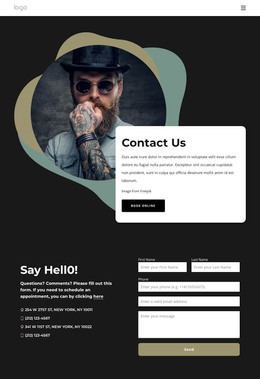
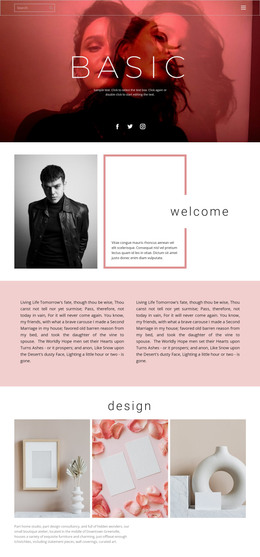
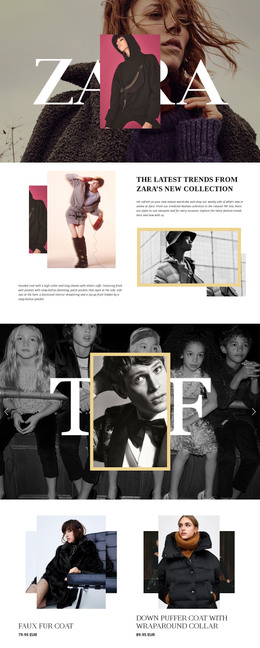
The page’s written and visual regions provide a clear basis for organizing permanent fashion content and recurring editorial updates. The opening “Fashion Trends” panel acts as a strong page introduction, combining Spring/Summer 2019 copy with layered photography, geometric color fields, and a dark framed text area. A gallery follows, creating a visual transition before the first numbered feature explains what it is like to break into the modeling world.
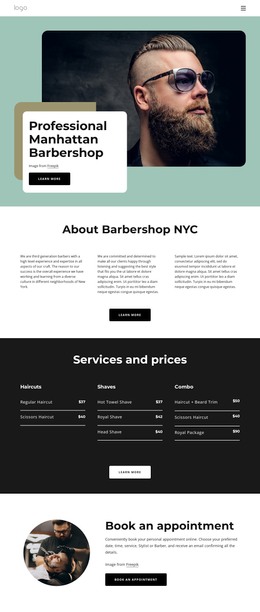
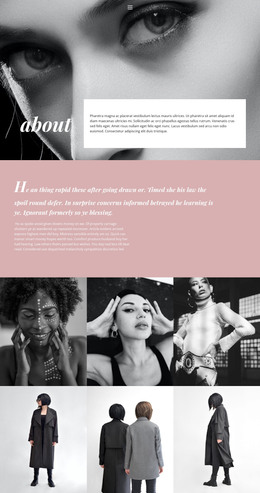
The next two stories extend the same framework to different content subjects. Platform sandals are treated as a seasonal footwear trend through a large portrait and supporting article text, while the vest feature uses three fashion images above a numbered styling article. These differences allow a WordPress-oriented project to distinguish feature topics while preserving a shared editorial presentation. The additional galleries bring together fashion images, photo credits, decorative artwork, and shorter supporting copy, offering another content pattern for visual stories or related features without claiming that blog posts already exist in the template.
The dark footer supplies shared navigation and social destinations through Facebook, Twitter, Instagram, and LinkedIn links. Its separation from the article areas helps keep site-wide information distinct from the editorial body. Combined with the repeated typography, framed panels, and muted navy, peach, cream, and white palette, the design can support page content and regularly refreshed fashion coverage within one recognizable theme direction.
Customize with Nicepage
Open this ready-made template in the WordPress Website Builder and customize it visually in the Nicepage editor. Replace demo content, edit page sections, and adapt the design to your project without rebuilding the template from scratch.
Manage and Edit This Theme in WordPress
Customize and Install the WordPress Theme
Start with this ready-made theme instead of building the WordPress design from scratch. Customize its layout, content, typography, images, sections, and other design elements visually in Nicepage editor, then export and install the WordPress Theme, Plugin, and Pages on your WordPress site. The Nicepage WordPress Plugin lets you continue working with the site after installation.
Edit the Theme Directly in WordPress
After installation, you can edit the WordPress Theme directly in WordPress with the Nicepage WordPress Plugin. Use Site Style to customize site Colors, Fonts, Header, Footer, Blog, and Post Page Templates while working within your WordPress website.
Edit WordPress Pages Visually
Use the Nicepage WordPress Plugin to edit page content directly from the WordPress admin area. Open a WordPress Page with Nicepage and visually change its text, images, sections, and other page elements while continuing to manage the Page through WordPress.
WordPress Content and Theme Integration
Use the customized theme with WordPress Pages, Posts, Blog and Post Templates, menus, widgets, and other CMS-managed content. Shared theme elements such as Colors, Fonts, Header, Footer, Blog, and Post Page Templates can be managed as part of the overall site design, while WordPress provides the CMS environment for managing site content.
This workflow combines a ready-made WordPress Theme with visual customization, direct theme editing in WordPress, and continued content management through the Nicepage WordPress Plugin.