Organic natural food Template


Edit Template Offline
2. Create new page and search for id 36877
Edit Template Online
Create Awesome Websites


Free Nicepage Builder
Keywords
Waste, Energy, and Food Imagery Give This Design a Clear Point of View
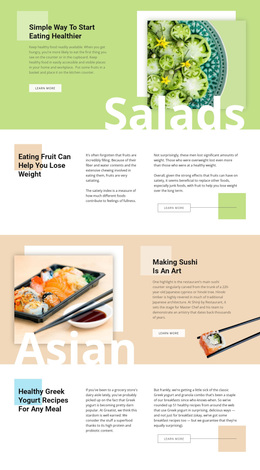
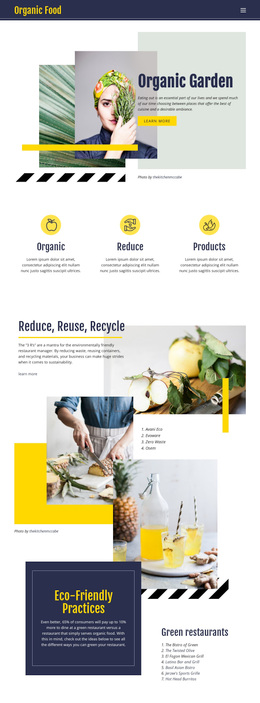
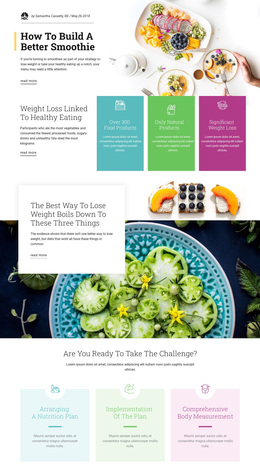
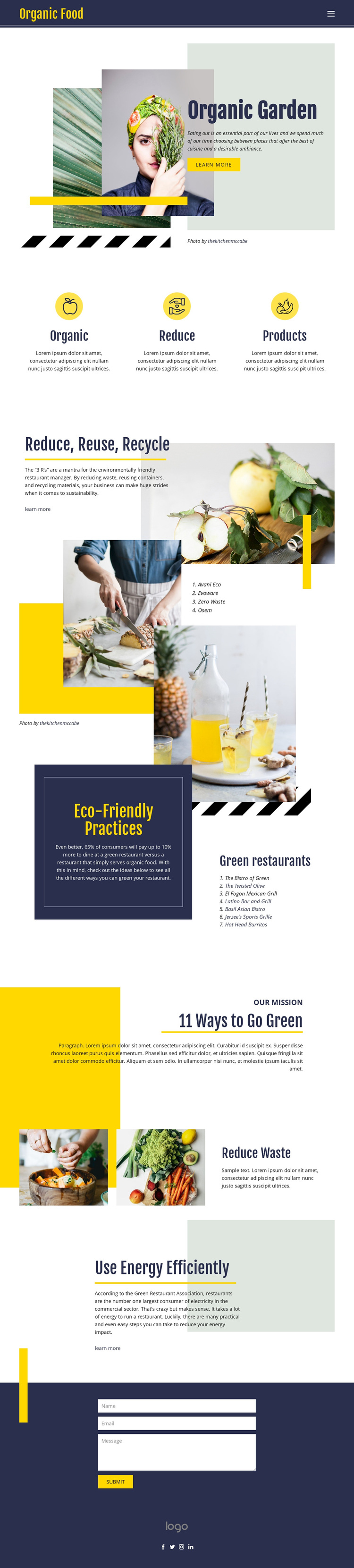
Food and botanical imagery carry the opening message before the page moves into practical sustainability content. The Organic Garden hero presents the subject through overlapping photographs, colored blocks, and a Learn more action, making visual storytelling central to the design choice. That approach distinguishes this option from a restaurant layout built mainly around menus, pricing, or dense service descriptions.
Its content coverage is another reason to choose it. The three feature items introduce Organic, Reduce, and Products, then the page expands into Reduce, Reuse, Recycle with a numbered list and supporting imagery. Eco-Friendly Practices adds a restaurant-focused context, while the 11 Ways to Go Green mission section supplies a broader editorial statement. Reduce Waste and Use Energy Efficiently keep the subject practical by addressing two specific areas of restaurant responsibility.
The design therefore works well when a project needs to explain an environmental position rather than simply display food photography. A centered contact form gives readers a way to submit a name, email, and message after reviewing the guidance, and the social footer adds a recognizable closing presence. The combination of visual emphasis, structured education, and inquiry capture makes this a distinctive ready-made option for sustainability communication.
Customize with Nicepage
Open this ready-made template in the Template Builder and customize it visually in the Nicepage editor. Replace demo content, edit page sections, and adapt the design to your project without rebuilding the template from scratch.
Start With a Ready-Made Template
Choose a Design for a New Page
Use a ready-made template as a starting point instead of creating every page from a blank canvas. When adding a new page in Nicepage, browse available designs, compare different layouts, and choose an option that already fits the general purpose and visual direction of your project.
Browse Different Page Designs
Explore Page Designs using search, thematic categories, Design Sets, and full-page previews. The collection includes layouts for different subjects and page purposes, making it easier to compare alternatives before selecting a design to customize.
Customize the Selected Template
After choosing a design, create the page and continue editing it visually in Nicepage. Replace the demo content, adjust images, typography, colors, sections, and other elements, and adapt the ready-made layout to your own content instead of rebuilding the design from the beginning.
Explore More Design Directions
If the first option does not match your project closely enough, return to the design collection and compare other templates before committing to a layout. This makes the template library useful not only for faster page creation, but also for exploring different visual approaches and finding a suitable starting point for a new project.
This workflow gives you access to a broad collection of ready-made designs that can be selected, compared, and customized according to the needs of each new page or project.