Delicate colors in the collection WordPress Theme


Product Images Turn the Collection Into Stable Page Content
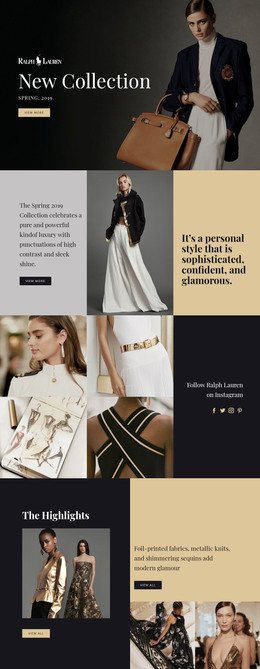
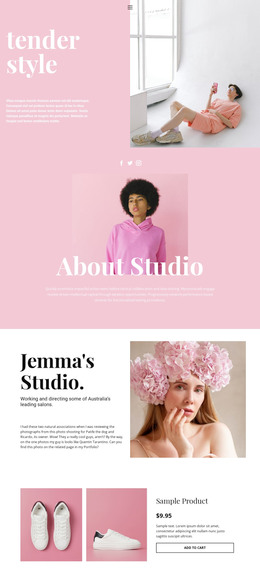
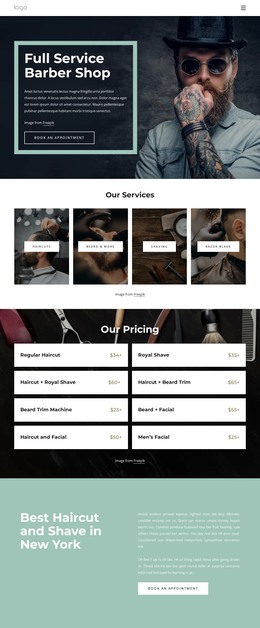
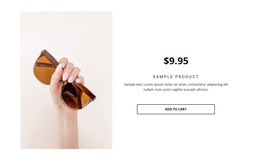
The “spring collection” heading and four-image gallery read as durable page content rather than a time-sensitive article stream. A light garment, sunglasses, woven bag, and heeled sandal appear as separate product visuals in one horizontal row, allowing a WordPress-managed page to present the range at a glance. The centered “View more” button creates a clear handoff to further collection information, while the lightbox interaction gives visitors a closer view of each photograph without adding another content region inside the block.
This section can therefore serve as a reusable fashion-gallery area within a broader WordPress project. Its role is to present a defined collection visually; the surrounding page can provide navigation, product details, categories, purchasing information, or other publishable content. The warm tan background, white-framed images, and white typography preserve the block’s visual identity when it is placed alongside related page sections. The block itself remains one page-content region, not a complete WordPress Theme. That distinction lets the gallery retain its focused hierarchy while the wider WordPress-managed site supplies the broader content structure and any additional collection destinations.
Customize with Nicepage
Open this ready-made template in the WordPress Website Builder and customize it visually in the Nicepage editor. Replace demo content, edit page sections, and adapt the design to your project without rebuilding the template from scratch.
Edit Template Offline
2. Create a new page or select existing
3. Click Add new block, search for id 91037 and click enter
Edit Template Online
Create Awesome Websites


Free Nicepage Builder
Keywords
Use This Block in a WordPress-Managed Website
Keep the Block as Page Content
Use the block as one content/layout section inside a WordPress-oriented site rather than treating the Block ID as a complete WordPress Theme. Its verified text, images, repeated items, forms, galleries, or other elements can remain part of permanent page content while WordPress manages the wider site.
Work With Nicepage and WordPress
A Nicepage WordPress project can be installed using the WordPress Theme, Plugin, and Pages workflow. After installation, the same visual section can participate in WordPress-managed pages as part of the broader theme/site structure.
Continue Editing in WordPress
Nicepage supports editing the WordPress Theme directly in WordPress. Use WordPress Pages, Posts, Blog structures, and other CMS concepts only when they are relevant to the surrounding project; their existence must not be inferred from the analyzed block alone.
This workflow keeps the block's verified section function separate from the WordPress theme architecture while allowing it to participate in a CMS-managed website.