Hiking adventures expeditions WordPress Theme


A Captioned Mountain Introduction for WordPress Page Content
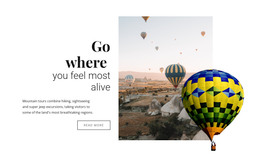
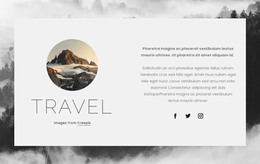
The block’s left column works as a concise editorial opening: the heading “Latest blogs, articles on Mountain” names the subject, the supporting paragraph supplies introductory context, and the directional arrow adds a restrained cue toward further content. On the right, the tall mountain photograph gives the topic an immediate visual focus, while the caption keeps an explanatory or identifying line close to the image. The split relationship allows written context and visual atmosphere to share one section without merging into a dense text-and-image panel.
For a WordPress-managed page, this block can provide stable publishable content for a mountain, hiking, or travel topic while other page areas accommodate longer articles or changing material. Its structure is specific enough to act as a recognizable editorial section: text establishes the subject, the image reinforces it, and the caption adds a second layer of context. The white content area against the light neutral background helps distinguish the section from neighboring content, and the strong black typography preserves the heading’s emphasis. As a reusable page-content region, it can support a WordPress presentation without being mistaken for an entire theme or complete site.
Customize with Nicepage
Open this ready-made template in the WordPress Website Builder and customize it visually in the Nicepage editor. Replace demo content, edit page sections, and adapt the design to your project without rebuilding the template from scratch.
Edit Template Offline
2. Create a new page or select existing
3. Click Add new block, search for id 391125 and click enter
Edit Template Online
Create Awesome Websites


Free Nicepage Builder
Keywords
Use This Block in a WordPress-Managed Website
Keep the Block as Page Content
Use the block as one content/layout section inside a WordPress-oriented site rather than treating the Block ID as a complete WordPress Theme. Its verified text, images, repeated items, forms, galleries, or other elements can remain part of permanent page content while WordPress manages the wider site.
Work With Nicepage and WordPress
A Nicepage WordPress project can be installed using the WordPress Theme, Plugin, and Pages workflow. After installation, the same visual section can participate in WordPress-managed pages as part of the broader theme/site structure.
Continue Editing in WordPress
Nicepage supports editing the WordPress Theme directly in WordPress. Use WordPress Pages, Posts, Blog structures, and other CMS concepts only when they are relevant to the surrounding project; their existence must not be inferred from the analyzed block alone.
This workflow keeps the block's verified section function separate from the WordPress theme architecture while allowing it to participate in a CMS-managed website.