Software developer Template



Edit Template Offline
2. Create new page and search for id 476756
Edit Template Online
Create Awesome Websites


Free Nicepage Builder
Keywords
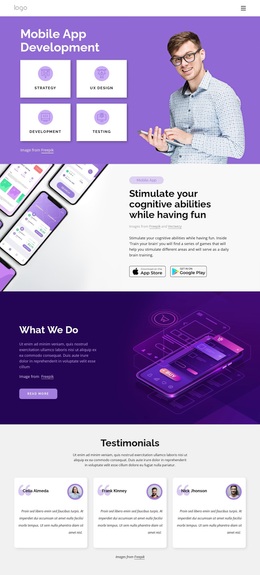
A Portrait-Led Mix of Skills, Career Proof, and Software Services
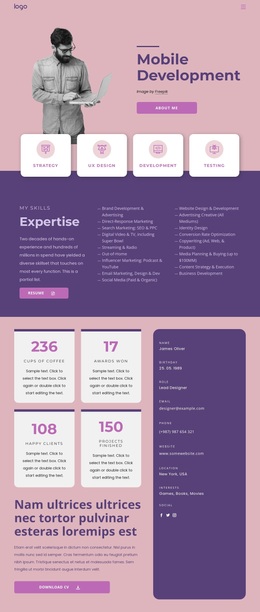
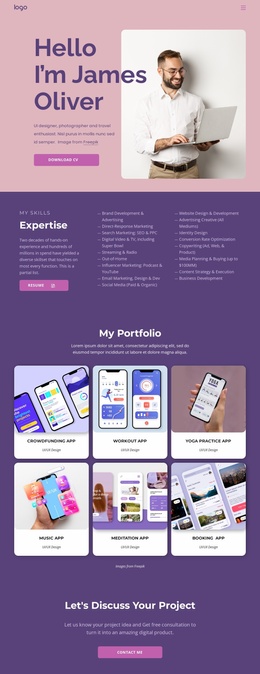
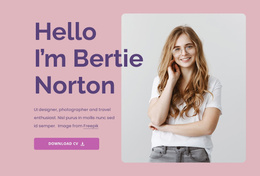
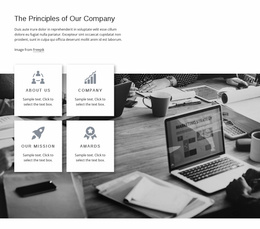
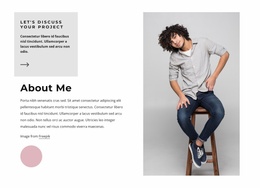
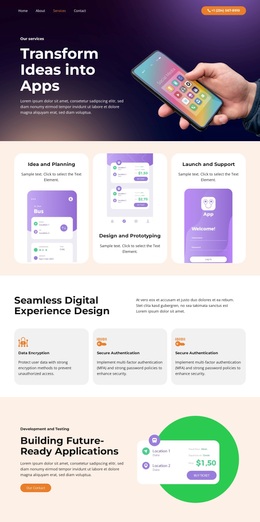
Portrait imagery and the Mobile Development opening make this design a useful option for projects where the professional identity should appear before a long service explanation. The four rounded cards immediately widen that identity into Strategy, UX Design, Development, and Testing, giving the page a compact summary of capabilities. This combination distinguishes the layout from portfolio designs centered only on a gallery or only on a text résumé.
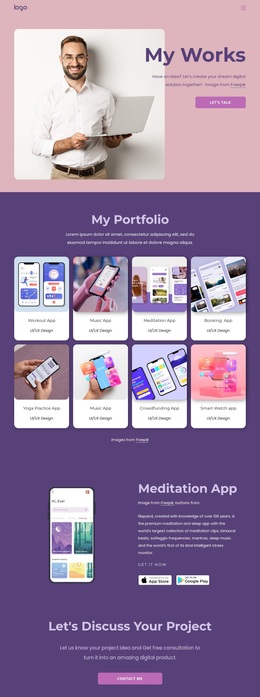
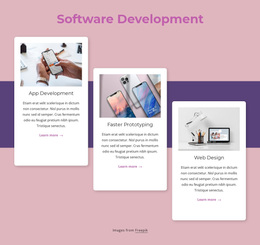
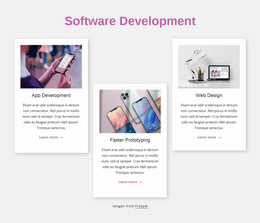
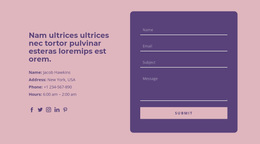
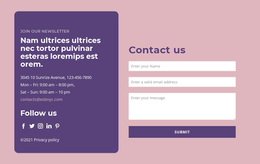
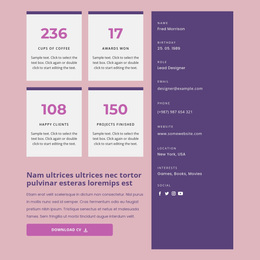
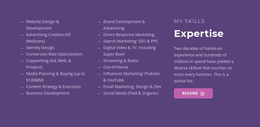
The design also covers several stages of professional evaluation. The Expertise section presents skill labels beside a Resume action, the profile area adds social links and personal information, and four dated experience entries show how career history can be arranged in a visible sequence. A pricing-labeled feature section introduces grouped service benefits without displaying prices, while the three image cards focus the later offer on App Development, Faster Prototyping, and Web Design. The contact form and adjacent profile quotation provide a natural endpoint for people who want to ask about the work. These relationships make the template worth considering when one page must combine personal credibility, service breadth, résumé access, and an approachable inquiry path without losing a recognizable portrait-based character.
Customize with Nicepage
Open this ready-made template in the Template Builder and customize it visually in the Nicepage editor. Replace demo content, edit page sections, and adapt the design to your project without rebuilding the template from scratch.
Start With a Ready-Made Template
Choose a Design for a New Page
Use a ready-made template as a starting point instead of creating every page from a blank canvas. When adding a new page in Nicepage, browse available designs, compare different layouts, and choose an option that already fits the general purpose and visual direction of your project.
Browse Different Page Designs
Explore Page Designs using search, thematic categories, Design Sets, and full-page previews. The collection includes layouts for different subjects and page purposes, making it easier to compare alternatives before selecting a design to customize.
Customize the Selected Template
After choosing a design, create the page and continue editing it visually in Nicepage. Replace the demo content, adjust images, typography, colors, sections, and other elements, and adapt the ready-made layout to your own content instead of rebuilding the design from the beginning.
Explore More Design Directions
If the first option does not match your project closely enough, return to the design collection and compare other templates before committing to a layout. This makes the template library useful not only for faster page creation, but also for exploring different visual approaches and finding a suitable starting point for a new project.
This workflow gives you access to a broad collection of ready-made designs that can be selected, compared, and customized according to the needs of each new page or project.