Smart home Template

Edit Template Offline
2. Create new page and search for id 6315877
Edit Template Online
Create Awesome Websites


Free Nicepage Builder
Keywords
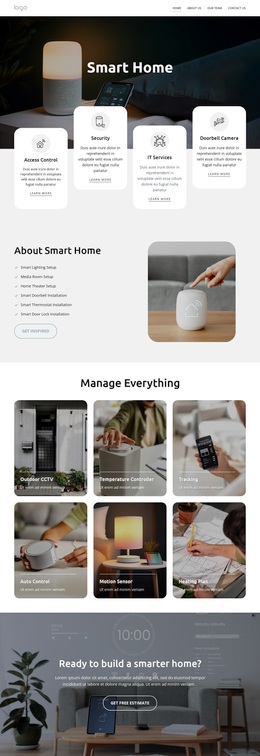
Six Automation Tiles and Residential Imagery Give the Design a Clear Focus
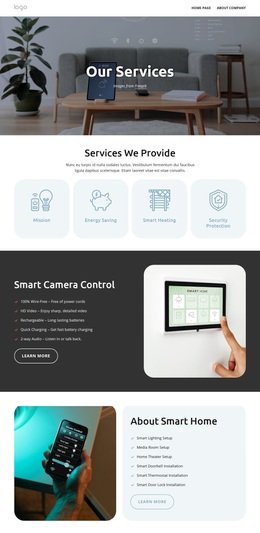
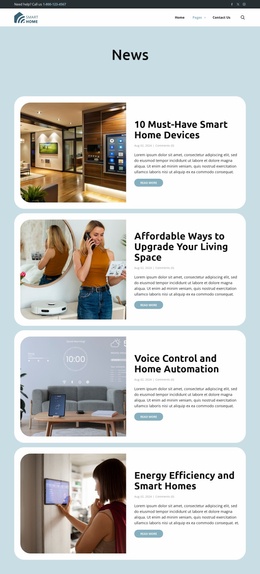
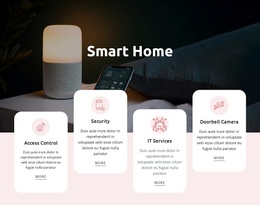
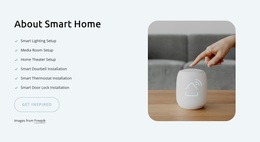
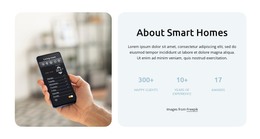
The strongest reason to choose this design is the way it presents smart-home technology through both categories and environments. The opening service cards establish broad areas such as security, access control, and device management, while the six photographic tiles make the subject more concrete through outdoor CCTV, smart curtains, tracking, auto curtains, a multi sensor, and smart lighting. This combination helps the page communicate an ecosystem rather than a single isolated device.
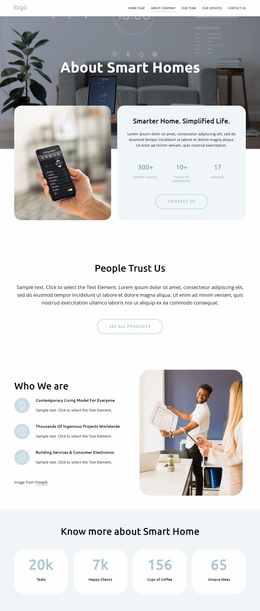
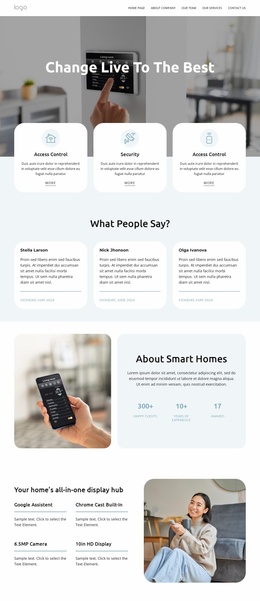
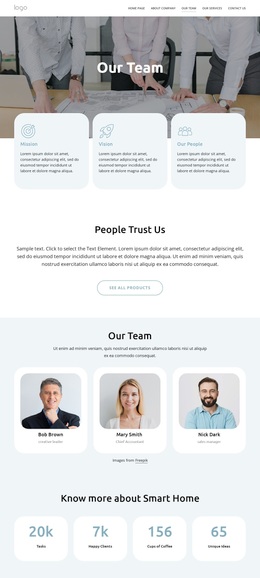
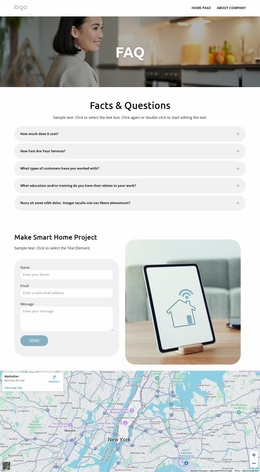
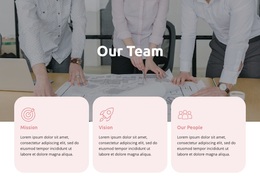
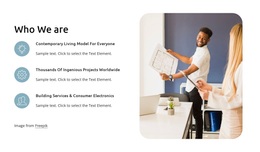
The visual story continues through the six-image Our Works gallery, which shifts the emphasis from capabilities to residential settings. Testimonials, the team cards, and the Facts & Questions section then add human and practical context before the visitor reaches the inquiry form. The result is a balanced option for a connected-home project that needs to explain services, show visual examples, answer recurring questions, and invite contact in one long presentation. Dark image-led sections create emphasis, while light content areas keep the amount of information manageable. Compared with a layout centered only on pricing, product listings, or dense technical text, this design is better suited to projects where the relationship between home interiors, automation categories, trust signals, and personal assistance carries the main message.
Customize with Nicepage
Open this ready-made template in the Template Builder and customize it visually in the Nicepage editor. Replace demo content, edit page sections, and adapt the design to your project without rebuilding the template from scratch.
Start With a Ready-Made Template
Choose a Design for a New Page
Use a ready-made template as a starting point instead of creating every page from a blank canvas. When adding a new page in Nicepage, browse available designs, compare different layouts, and choose an option that already fits the general purpose and visual direction of your project.
Browse Different Page Designs
Explore Page Designs using search, thematic categories, Design Sets, and full-page previews. The collection includes layouts for different subjects and page purposes, making it easier to compare alternatives before selecting a design to customize.
Customize the Selected Template
After choosing a design, create the page and continue editing it visually in Nicepage. Replace the demo content, adjust images, typography, colors, sections, and other elements, and adapt the ready-made layout to your own content instead of rebuilding the design from the beginning.
Explore More Design Directions
If the first option does not match your project closely enough, return to the design collection and compare other templates before committing to a layout. This makes the template library useful not only for faster page creation, but also for exploring different visual approaches and finding a suitable starting point for a new project.
This workflow gives you access to a broad collection of ready-made designs that can be selected, compared, and customized according to the needs of each new page or project.