Online radio shows Template


Edit Template Offline
2. Create new page and search for id 385788
Edit Template Online
Create Awesome Websites


Free Nicepage Builder
Keywords
Waveforms, Stations, and Music in One Design Direction
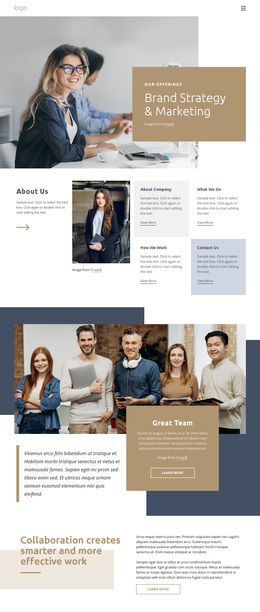
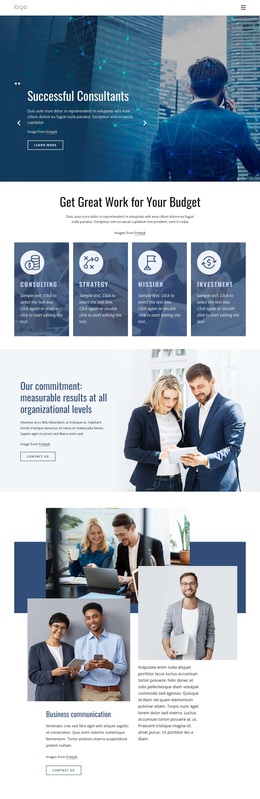
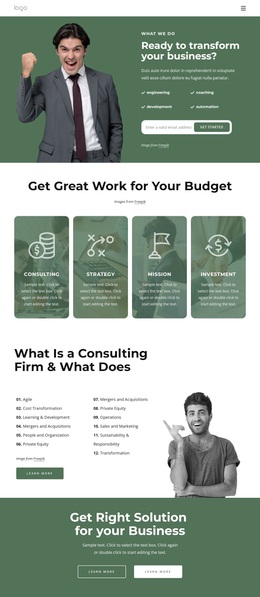
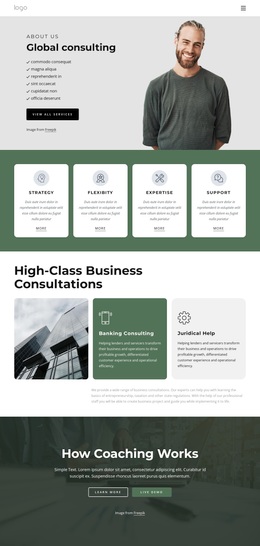
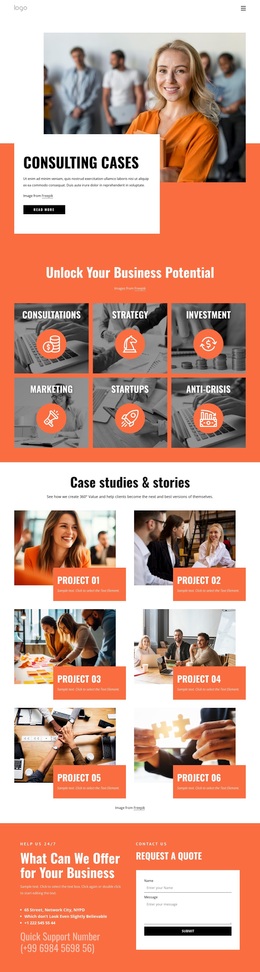
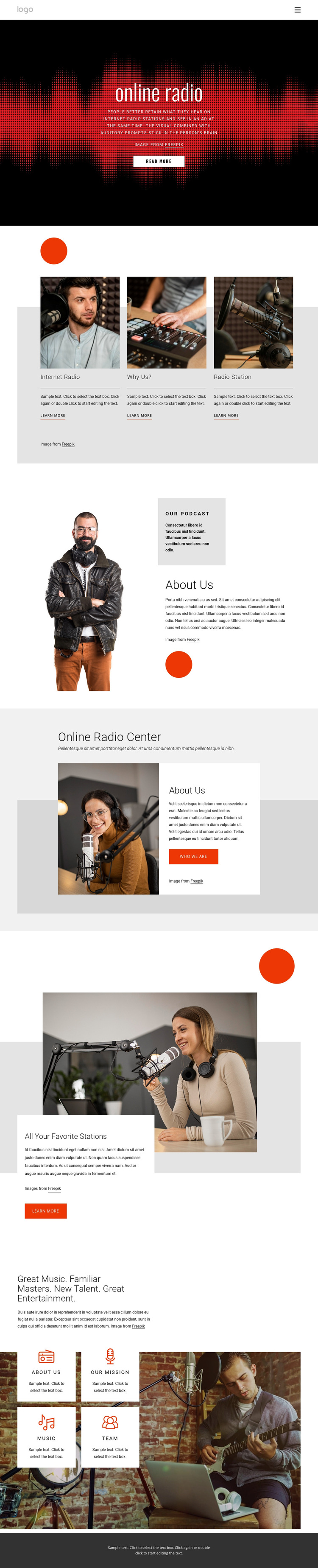
The red radio-wave hero makes imagery the first carrier of the message, while the centered online radio heading and read-more action keep the opening concise. The design then expands its subject through three equally weighted cards labeled Internet Radio, Why Us?, and Radio Station. This combination suits a project that needs to show several related aspects of an audio offering without making the page depend on dense paragraphs.
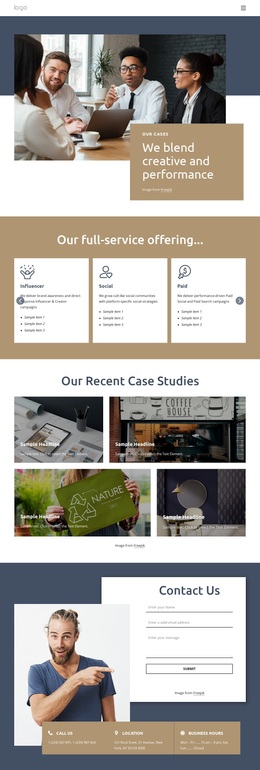
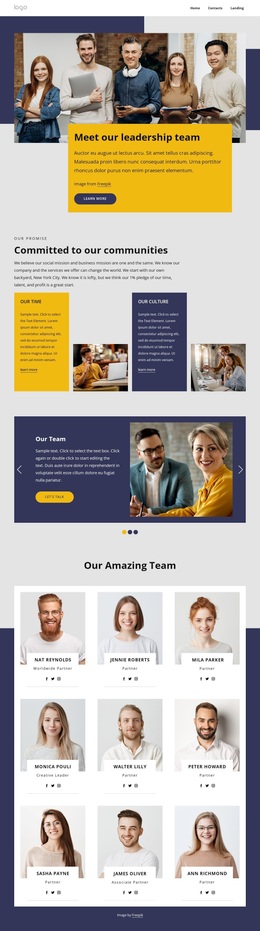
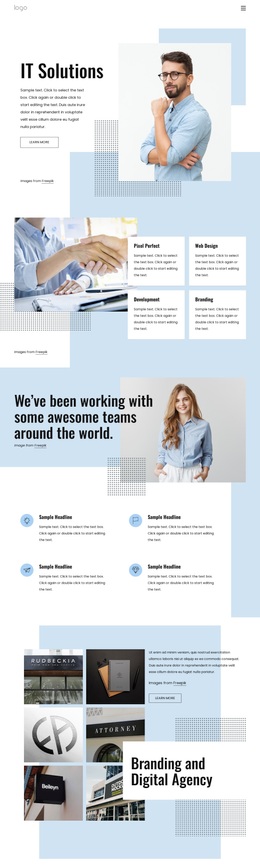
Its strongest distinction is the way broadcast content is repeated through different visual treatments. A portrait-led About Us and Our Podcast section adds a human presence, the Online Radio Center panel shifts attention to studio imagery, and the All Your Favorite Stations block uses a red accent shape and overlapping white card to create a more assertive focal point. The final image-backed feature area brings together Great Music, Familiar Masters, New Talent, and Great Entertainment, with smaller cards for Our Mission, Music, and Team. That coverage gives the design a clear reason to choose it when a radio project needs brand introduction, programming-related categories, station discovery, and people-centered storytelling in the same visual direction.
Customize with Nicepage
Open this ready-made template in the Template Builder and customize it visually in the Nicepage editor. Replace demo content, edit page sections, and adapt the design to your project without rebuilding the template from scratch.
Start With a Ready-Made Template
Choose a Design for a New Page
Use a ready-made template as a starting point instead of creating every page from a blank canvas. When adding a new page in Nicepage, browse available designs, compare different layouts, and choose an option that already fits the general purpose and visual direction of your project.
Browse Different Page Designs
Explore Page Designs using search, thematic categories, Design Sets, and full-page previews. The collection includes layouts for different subjects and page purposes, making it easier to compare alternatives before selecting a design to customize.
Customize the Selected Template
After choosing a design, create the page and continue editing it visually in Nicepage. Replace the demo content, adjust images, typography, colors, sections, and other elements, and adapt the ready-made layout to your own content instead of rebuilding the design from the beginning.
Explore More Design Directions
If the first option does not match your project closely enough, return to the design collection and compare other templates before committing to a layout. This makes the template library useful not only for faster page creation, but also for exploring different visual approaches and finding a suitable starting point for a new project.
This workflow gives you access to a broad collection of ready-made designs that can be selected, compared, and customized according to the needs of each new page or project.