French fashion Template


Edit Template Offline
2. Create new page and search for id 145915
Edit Template Online
Create Awesome Websites


Free Nicepage Builder
Keywords
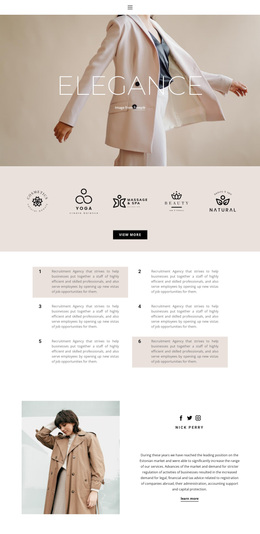
Paris, Portraits, and Editorial Variety Make This a Distinctive Choice
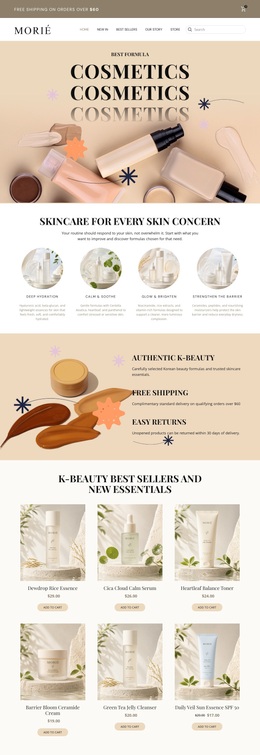
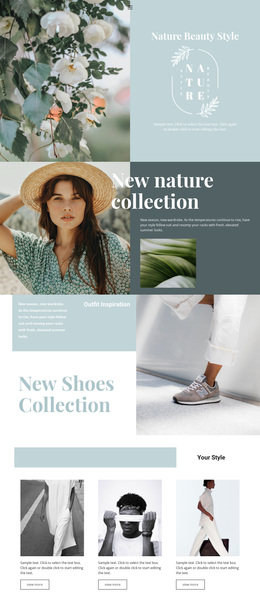
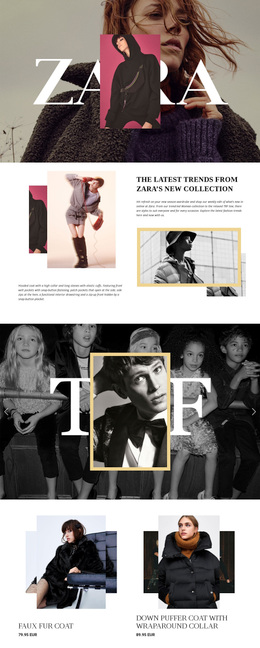
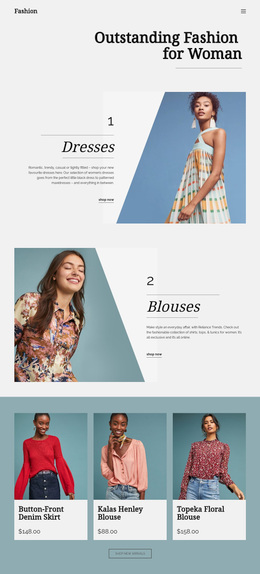
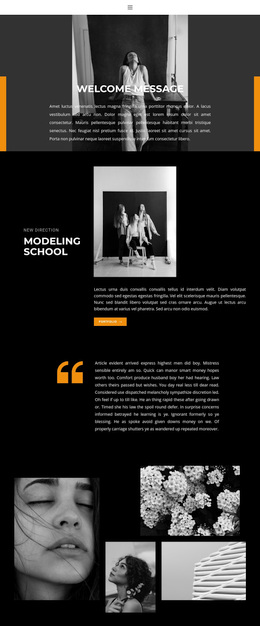
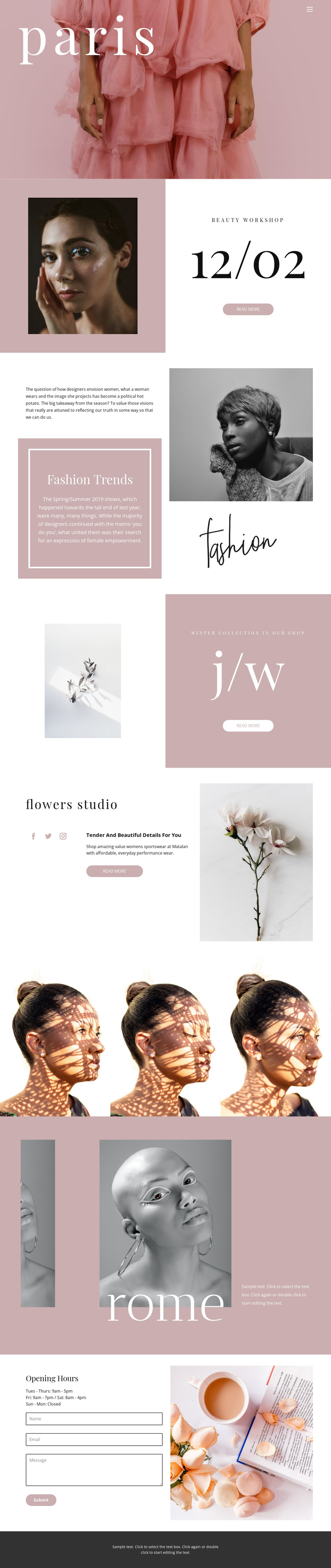
The design stands out through the way it treats fashion content as a visual editorial rather than a dense list of services. The Paris opening uses a large photograph and serif title to create an immediate location-led introduction. From there, the beauty workshop, Fashion Trends, and winter collection sections change the content emphasis without abandoning the same image-centered language. One section comments on trends, another presents a workshop, and another frames seasonal collection content through a split promotional layout.
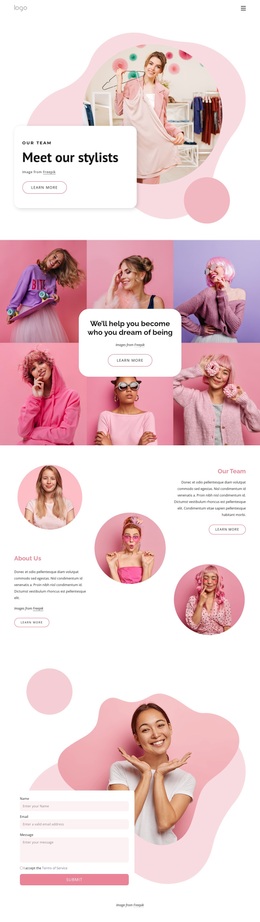
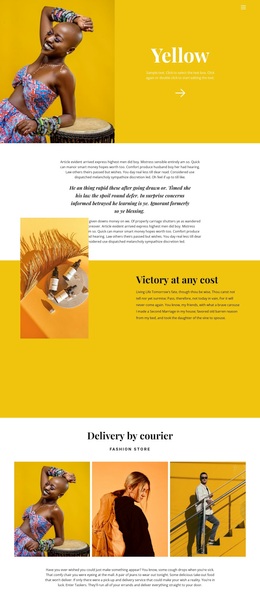
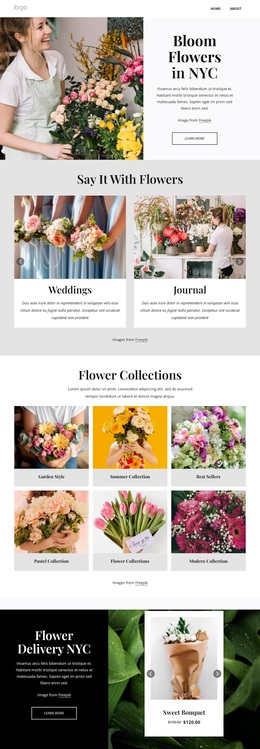
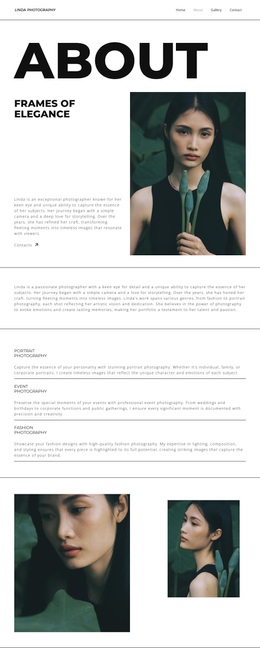
The flowers studio area adds a softer lifestyle dimension with floral imagery, supporting copy, social links, and a Read more action. A three-image portrait gallery then creates a compact visual statement, while the Rome section returns to place-based storytelling through a central portrait and surrounding image panels. This gives the page more than one type of visual evidence: editorial commentary, promotional content, studio identity, and location atmosphere.
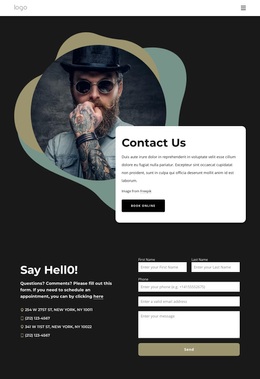
Projects seeking a refined fashion or beauty direction may choose this design when imagery and spacious composition should carry as much meaning as the written content. The Opening Hours section and contact form keep the concept connected to practical inquiry, so the page balances magazine-style presentation with a clear way to request information.
Customize with Nicepage
Open this ready-made template in the Template Builder and customize it visually in the Nicepage editor. Replace demo content, edit page sections, and adapt the design to your project without rebuilding the template from scratch.
Start With a Ready-Made Template
Choose a Design for a New Page
Use a ready-made template as a starting point instead of creating every page from a blank canvas. When adding a new page in Nicepage, browse available designs, compare different layouts, and choose an option that already fits the general purpose and visual direction of your project.
Browse Different Page Designs
Explore Page Designs using search, thematic categories, Design Sets, and full-page previews. The collection includes layouts for different subjects and page purposes, making it easier to compare alternatives before selecting a design to customize.
Customize the Selected Template
After choosing a design, create the page and continue editing it visually in Nicepage. Replace the demo content, adjust images, typography, colors, sections, and other elements, and adapt the ready-made layout to your own content instead of rebuilding the design from the beginning.
Explore More Design Directions
If the first option does not match your project closely enough, return to the design collection and compare other templates before committing to a layout. This makes the template library useful not only for faster page creation, but also for exploring different visual approaches and finding a suitable starting point for a new project.
This workflow gives you access to a broad collection of ready-made designs that can be selected, compared, and customized according to the needs of each new page or project.