Successful union WordPress Theme


A Stable About Section for WordPress Page Content
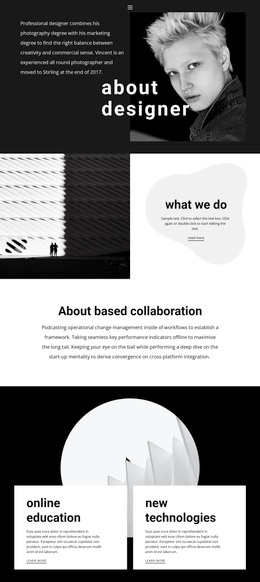
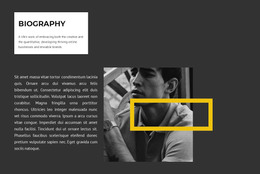
The heading structure makes this block read as durable page content rather than a time-sensitive listing. The small “about” label introduces the subject, and “harness multimedia based collaboration” gives the left column its central statement. On the right, a single black-and-white portrait adds a human visual reference, while the paragraph beneath it provides space for supporting explanation. Together, these regions form a self-contained about section that can sit inside a WordPress-managed page.
In that context, the block can preserve a consistent visual presentation while the wider project manages other content around it. The two-column arrangement separates the main statement from the portrait-led explanation, making the section recognizable when it appears alongside services, articles, contact content, or other page areas. The white background and generous spacing also leave the section visually calm without implying that it controls the site’s global theme. Since no CMS-specific component is part of the block, its WordPress-oriented role is the presentation of stable page content within a broader managed environment. The section remains one reusable visual area, with its headings, image, and paragraph working together as an about introduction.
Customize with Nicepage
Open this ready-made template in the WordPress Website Builder and customize it visually in the Nicepage editor. Replace demo content, edit page sections, and adapt the design to your project without rebuilding the template from scratch.
Edit Template Offline
2. Create a new page or select existing
3. Click Add new block, search for id 98563 and click enter
Edit Template Online
Create Awesome Websites


Free Nicepage Builder
Keywords
Use This Block in a WordPress-Managed Website
Keep the Block as Page Content
Use the block as one content/layout section inside a WordPress-oriented site rather than treating the Block ID as a complete WordPress Theme. Its verified text, images, repeated items, forms, galleries, or other elements can remain part of permanent page content while WordPress manages the wider site.
Work With Nicepage and WordPress
A Nicepage WordPress project can be installed using the WordPress Theme, Plugin, and Pages workflow. After installation, the same visual section can participate in WordPress-managed pages as part of the broader theme/site structure.
Continue Editing in WordPress
Nicepage supports editing the WordPress Theme directly in WordPress. Use WordPress Pages, Posts, Blog structures, and other CMS concepts only when they are relevant to the surrounding project; their existence must not be inferred from the analyzed block alone.
This workflow keeps the block's verified section function separate from the WordPress theme architecture while allowing it to participate in a CMS-managed website.