Two parallel projects WordPress Theme


Paired Facade Content Fits a Stable WordPress Page Section
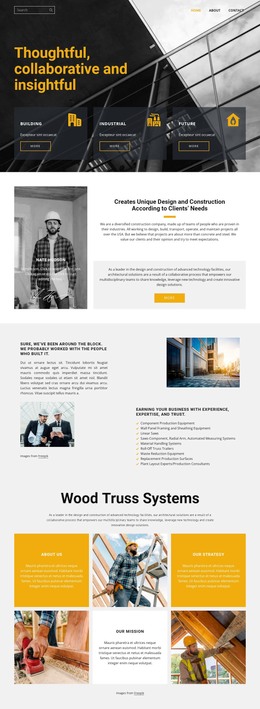
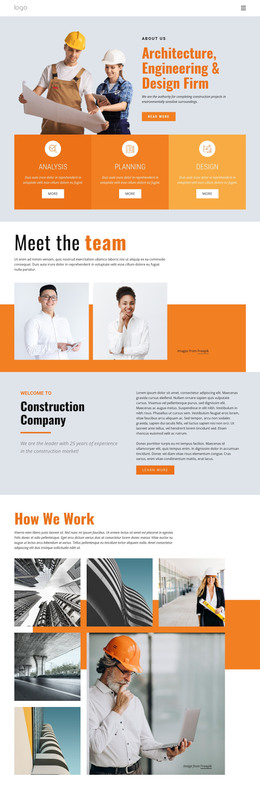
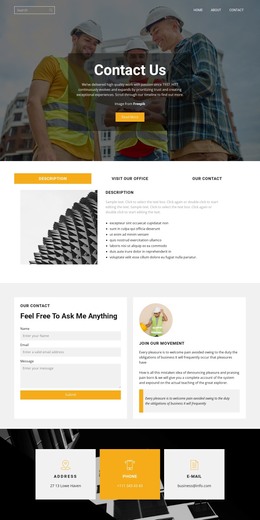
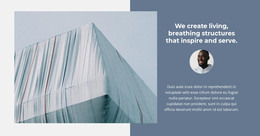
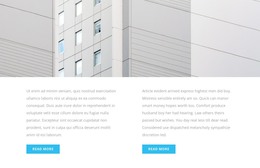
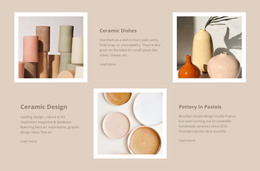
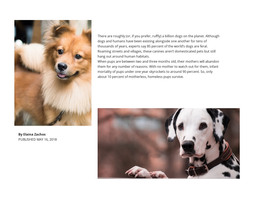
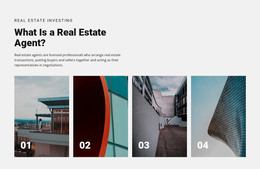
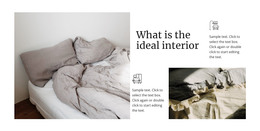
The block reads as stable page content because its two paragraphs and two architectural images form a self-contained subject area. The upper row places explanatory text in a purple panel beside a close-up facade image, while the lower row reverses the sequence and uses a light-gray panel. This gives each written unit a corresponding visual reference without turning the section into a list of unrelated items.
In a WordPress-managed project, the arrangement can suit a permanent architecture or building-related content region that remains visually consistent as the surrounding site develops. The section itself does not depend on a blog stream, category list, or other time-based publishing structure. Its value is the durable relationship between image and explanation, with the alternating rows providing a recognizable pattern for a page’s project or offering content.
The static presentation also makes the section straightforward to place alongside other page content. A broader WordPress site can provide navigation, additional project details, posts, or contact areas around it, while this block retains its own four-cell identity. The purple and light-gray surfaces can help distinguish the two content units, and the different text alignments add hierarchy without requiring a separate interaction model. Used this way, the block contributes publishable visual content while remaining one reusable section rather than a complete theme.
Customize with Nicepage
Open this ready-made template in the WordPress Website Builder and customize it visually in the Nicepage editor. Replace demo content, edit page sections, and adapt the design to your project without rebuilding the template from scratch.
Edit Template Offline
2. Create a new page or select existing
3. Click Add new block, search for id 2602437 and click enter
Edit Template Online
Create Awesome Websites


Free Nicepage Builder
Keywords
Use This Block in a WordPress-Managed Website
Keep the Block as Page Content
Use the block as one content/layout section inside a WordPress-oriented site rather than treating the Block ID as a complete WordPress Theme. Its verified text, images, repeated items, forms, galleries, or other elements can remain part of permanent page content while WordPress manages the wider site.
Work With Nicepage and WordPress
A Nicepage WordPress project can be installed using the WordPress Theme, Plugin, and Pages workflow. After installation, the same visual section can participate in WordPress-managed pages as part of the broader theme/site structure.
Continue Editing in WordPress
Nicepage supports editing the WordPress Theme directly in WordPress. Use WordPress Pages, Posts, Blog structures, and other CMS concepts only when they are relevant to the surrounding project; their existence must not be inferred from the analyzed block alone.
This workflow keeps the block's verified section function separate from the WordPress theme architecture while allowing it to participate in a CMS-managed website.