Fresh healthy and tasty Template
Edit Template Offline
2. Create new page and search for id 6083108
Edit Template Online
Create Awesome Websites


Free Nicepage Builder
Keywords
Six Sustainability Principles Give the Poke Bowl Story a Distinctive Direction
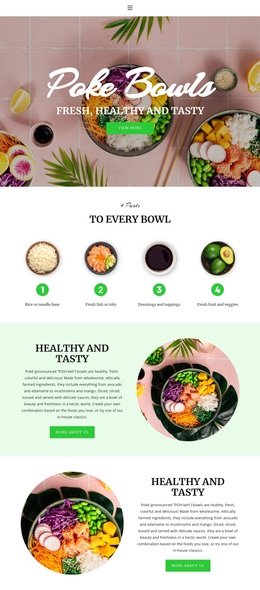
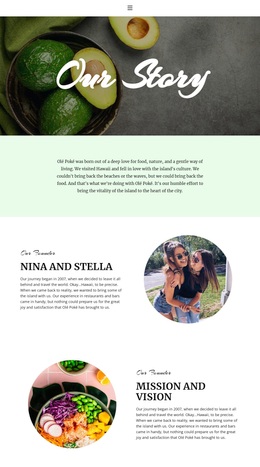
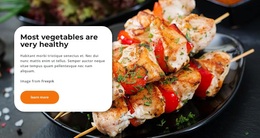
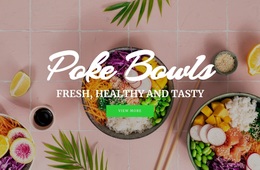
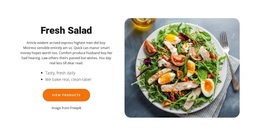
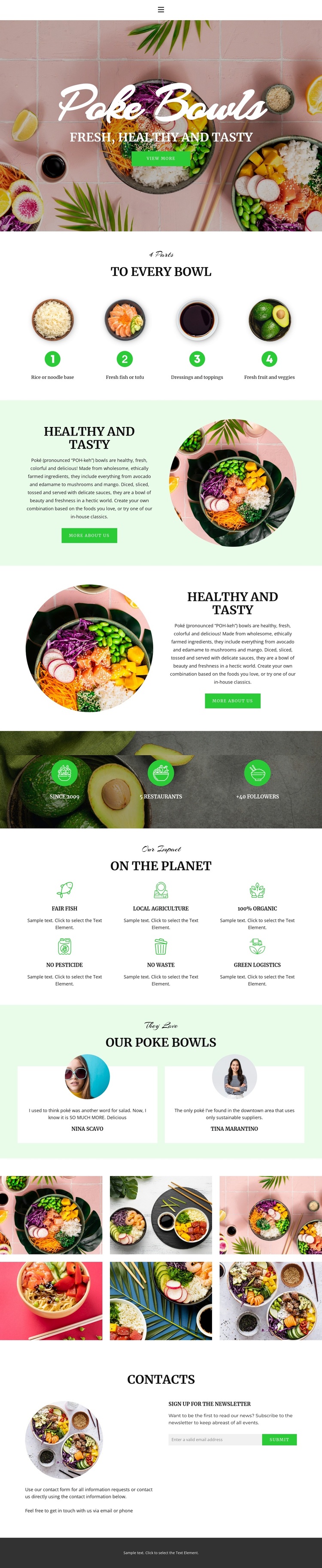
Large food photography makes the subject immediately recognizable, but the design’s strongest point of difference is how it connects the bowls with a stated environmental and sourcing philosophy. The On the Planet section presents Fair Fish, Local Agriculture, 100% Organic, No Pesticide, No Waste, and Green Logistics as six concise principles. That content gives the page a clearer point of view than a restaurant layout built only around dish images and promotional headings.
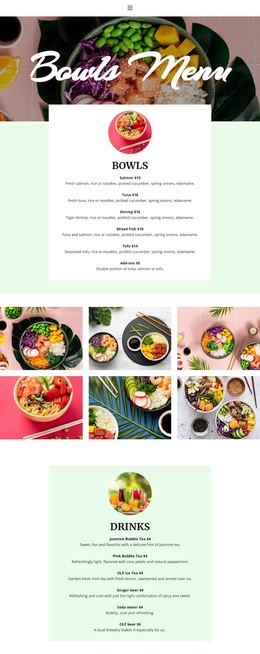
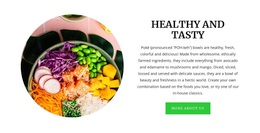
The earlier sections prepare visitors for that distinction. The four-item To Every Bowl sequence introduces the contents or preparation idea, while the two Healthy and Tasty blocks combine explanatory copy with circular food photographs. The result is a progression from what is served to how the brand describes its quality and responsibility. Two testimonial cards then add a customer-facing layer, and the six-image gallery lets the visual appeal of the bowls carry the message without dense text.
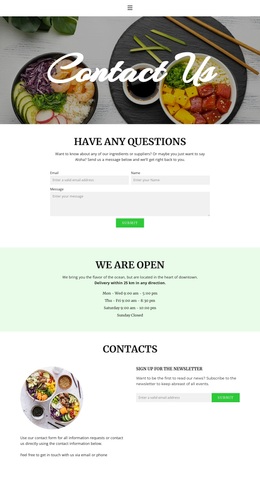
This combination makes the design a useful choice for a restaurant, food concept, or related project that needs more than a generic menu presentation. The final newsletter form adds an ongoing contact purpose through its email field and Subscribe action. Together, the imagery, sustainability content, reviews, gallery, and signup area give this option a recognizable balance of appetite, values, proof, and follow-up.
Customize with Nicepage
Open this ready-made template in the Template Builder and customize it visually in the Nicepage editor. Replace demo content, edit page sections, and adapt the design to your project without rebuilding the template from scratch.
Start With a Ready-Made Template
Choose a Design for a New Page
Use a ready-made template as a starting point instead of creating every page from a blank canvas. When adding a new page in Nicepage, browse available designs, compare different layouts, and choose an option that already fits the general purpose and visual direction of your project.
Browse Different Page Designs
Explore Page Designs using search, thematic categories, Design Sets, and full-page previews. The collection includes layouts for different subjects and page purposes, making it easier to compare alternatives before selecting a design to customize.
Customize the Selected Template
After choosing a design, create the page and continue editing it visually in Nicepage. Replace the demo content, adjust images, typography, colors, sections, and other elements, and adapt the ready-made layout to your own content instead of rebuilding the design from the beginning.
Explore More Design Directions
If the first option does not match your project closely enough, return to the design collection and compare other templates before committing to a layout. This makes the template library useful not only for faster page creation, but also for exploring different visual approaches and finding a suitable starting point for a new project.
This workflow gives you access to a broad collection of ready-made designs that can be selected, compared, and customized according to the needs of each new page or project.