Pizza cafe restaurant WordPress Theme


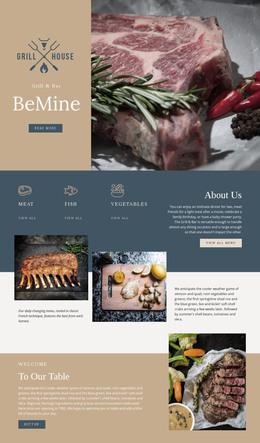
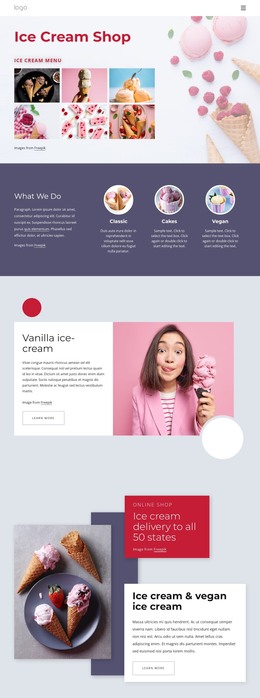
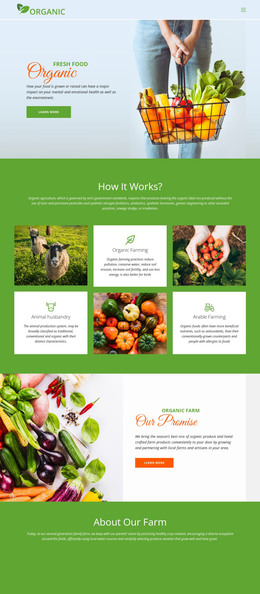
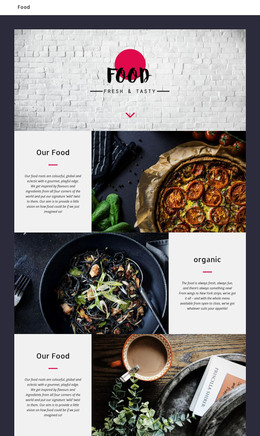
Permanent Offering Content Fits Beside Two Editorial Food Images
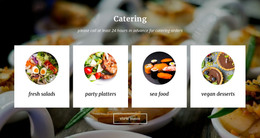
The heading, detailed description, and view menu action read as stable restaurant page content rather than a time-sensitive article stream. In a WordPress-oriented project, this makes the block suitable for a permanent menu or featured-offering area where the content remains visually connected to the two food photographs. The description names imported cheeses, fig jam, quince paste, honey, sea salt crostini, mini toasts, and crab pizza, giving the page region a specific subject that can be maintained alongside other restaurant information.
The white panel provides a contained content area for that offering, while the images preserve a strong visual introduction on the left. The centered alignment and generous vertical spacing help keep the heading, description, and menu action together as one publishable section rather than dispersing them across unrelated page regions. A broader WordPress-managed site could place this section alongside other stable areas for the restaurant story, menu categories, reservations, location, or contact. The block contributes the featured food presentation and its destination action; the surrounding theme and CMS context handle the wider page and site structure.
Customize with Nicepage
Open this ready-made template in the WordPress Website Builder and customize it visually in the Nicepage editor. Replace demo content, edit page sections, and adapt the design to your project without rebuilding the template from scratch.
Edit Template Offline
2. Create a new page or select existing
3. Click Add new block, search for id 59026 and click enter
Edit Template Online
Create Awesome Websites


Free Nicepage Builder
Keywords
Use This Block in a WordPress-Managed Website
Keep the Block as Page Content
Use the block as one content/layout section inside a WordPress-oriented site rather than treating the Block ID as a complete WordPress Theme. Its verified text, images, repeated items, forms, galleries, or other elements can remain part of permanent page content while WordPress manages the wider site.
Work With Nicepage and WordPress
A Nicepage WordPress project can be installed using the WordPress Theme, Plugin, and Pages workflow. After installation, the same visual section can participate in WordPress-managed pages as part of the broader theme/site structure.
Continue Editing in WordPress
Nicepage supports editing the WordPress Theme directly in WordPress. Use WordPress Pages, Posts, Blog structures, and other CMS concepts only when they are relevant to the surrounding project; their existence must not be inferred from the analyzed block alone.
This workflow keeps the block's verified section function separate from the WordPress theme architecture while allowing it to participate in a CMS-managed website.