Animal veterinary hospital WordPress Theme


Clinic Information Suits a Stable WordPress Page Section
The left side of the block reads as durable page content: “Clinic for Animals” names the subject, the supporting paragraph describes the team as a local pet health expert and care partner, and the “Contact Us” button provides a direct route for a visitor who wants to respond. This combination fits a stable veterinary information area rather than depending on a stream of dated entries or a changing list.
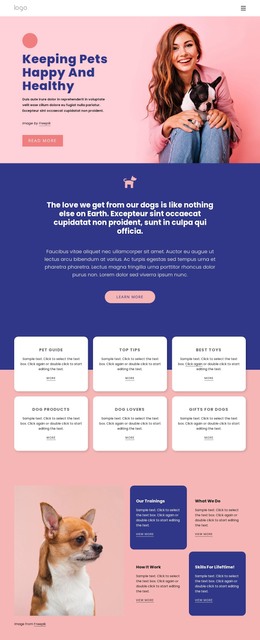
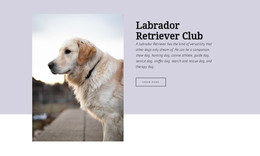
The right-side photograph of a veterinary professional with a dog gives that page content a clear visual context. Its lower-edge placement balances the text column and keeps the animal-care subject visible without adding another content group. Pale blue and blush background tones, accented heading colors, and the rounded dark-brown button preserve the section’s visual identity as it participates in a larger page.
In a WordPress-oriented project, this block can occupy a clinic introduction or service-context region while the surrounding site handles other pages and content. The section’s value is its reusable relationship between message, contact action, and relevant image. It should be treated as page content within the broader WordPress-managed structure, not as a standalone theme or complete site.
Customize with Nicepage
Open this ready-made template in the WordPress Website Builder and customize it visually in the Nicepage editor. Replace demo content, edit page sections, and adapt the design to your project without rebuilding the template from scratch.
Edit Template Offline
2. Create a new page or select existing
3. Click Add new block, search for id 54944 and click enter
Edit Template Online
Create Awesome Websites


Free Nicepage Builder
Keywords
Use This Block in a WordPress-Managed Website
Keep the Block as Page Content
Use the block as one content/layout section inside a WordPress-oriented site rather than treating the Block ID as a complete WordPress Theme. Its verified text, images, repeated items, forms, galleries, or other elements can remain part of permanent page content while WordPress manages the wider site.
Work With Nicepage and WordPress
A Nicepage WordPress project can be installed using the WordPress Theme, Plugin, and Pages workflow. After installation, the same visual section can participate in WordPress-managed pages as part of the broader theme/site structure.
Continue Editing in WordPress
Nicepage supports editing the WordPress Theme directly in WordPress. Use WordPress Pages, Posts, Blog structures, and other CMS concepts only when they are relevant to the surrounding project; their existence must not be inferred from the analyzed block alone.
This workflow keeps the block's verified section function separate from the WordPress theme architecture while allowing it to participate in a CMS-managed website.