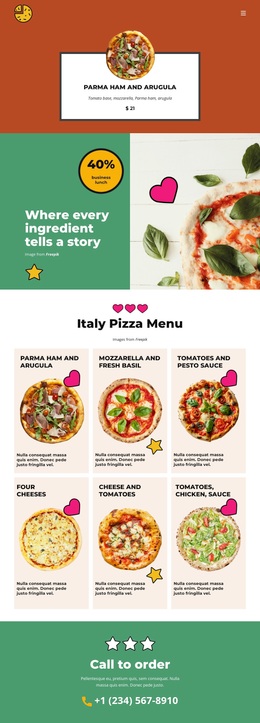
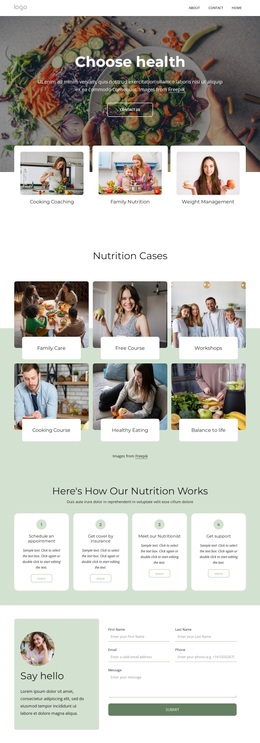
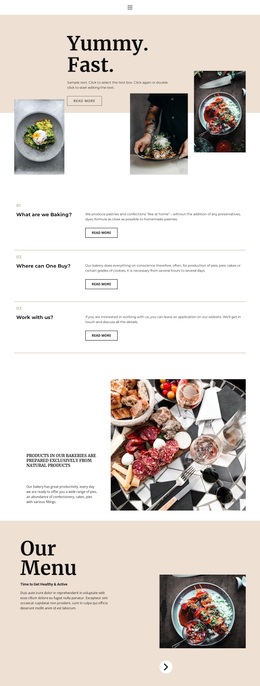
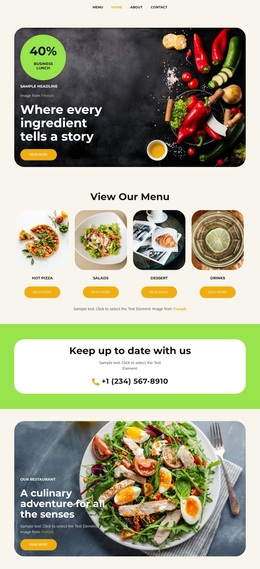
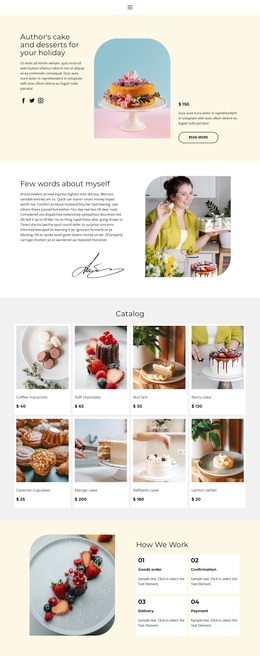
Best pizza restaurant Template


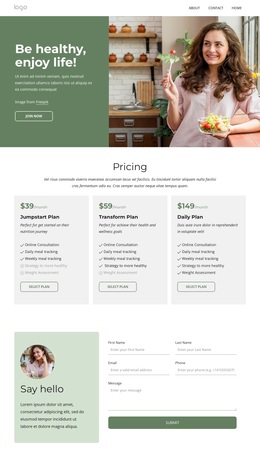
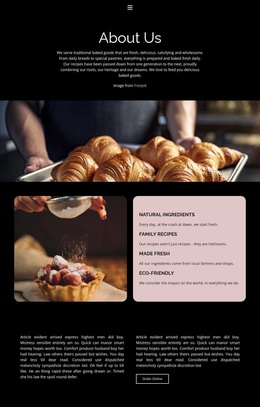
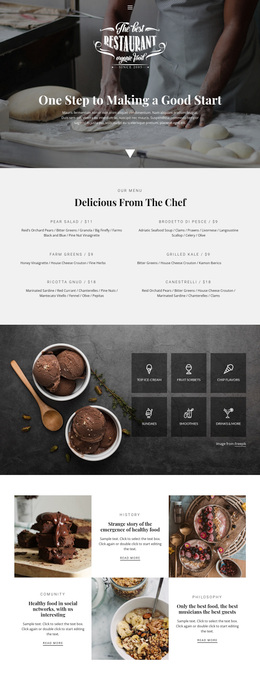
Equal Pizza Panels Offer a Strong Visual Gallery Choice
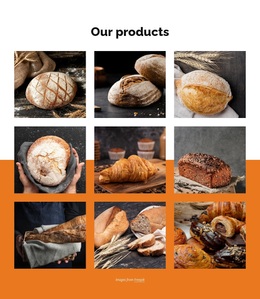
The section stands out through a specific combination of coverage and restraint: four pizza photographs are displayed at once, each in an equal vertical panel, instead of being reduced to one feature image or a dense card grid. That makes the design useful when a page needs several food views in a compact horizontal rhythm. The full-width row gives the gallery visual presence, while the repeated panel structure keeps the presentation orderly enough to sit alongside other content sections.
The warm pizza colors become the main points of emphasis against darker food-photography tones. Hover-oriented overlay areas add flexibility for short captions or image context, and the empty heading and paragraph elements leave the content treatment open to the surrounding page’s needs. Lightbox viewing provides a second reason to choose this design: the initial row supports fast comparison, while a selected photograph can receive closer attention. Together, the four-image count, equal panel arrangement, tonal contrast, overlay layer, and lightbox interaction make this a distinct gallery option for projects that want food imagery to carry more of the section’s visual message. It offers a concise alternative to a text-heavy restaurant section while retaining a clear repeated rhythm.
Customize with Nicepage
Open this ready-made template in the Template Builder and customize it visually in the Nicepage editor. Replace demo content, edit page sections, and adapt the design to your project without rebuilding the template from scratch.
Edit Template Offline
2. Create a new page or select existing
3. Click Add new block, search for id 103666 and click enter
Edit Template Online
Create Awesome Websites


Free Nicepage Builder
Keywords
Start With a Ready-Made Template
Choose a Design for a New Page
Use a ready-made template as a starting point instead of creating every page from a blank canvas. When adding a new page in Nicepage, browse available designs, compare different layouts, and choose an option that already fits the general purpose and visual direction of your project.
Browse Different Page Designs
Explore Page Designs using search, thematic categories, Design Sets, and full-page previews. The collection includes layouts for different subjects and page purposes, making it easier to compare alternatives before selecting a design to customize.
Customize the Selected Template
After choosing a design, create the page and continue editing it visually in Nicepage. Replace the demo content, adjust images, typography, colors, sections, and other elements, and adapt the ready-made layout to your own content instead of rebuilding the design from the beginning.
Explore More Design Directions
If the first option does not match your project closely enough, return to the design collection and compare other templates before committing to a layout. This makes the template library useful not only for faster page creation, but also for exploring different visual approaches and finding a suitable starting point for a new project.
This workflow gives you access to a broad collection of ready-made designs that can be selected, compared, and customized according to the needs of each new page or project.