Eliminate Sugar Template


A Three-Column Food Mosaic With a Clear Closing Action
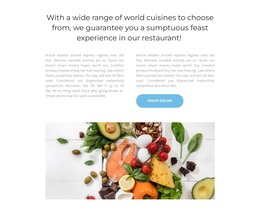
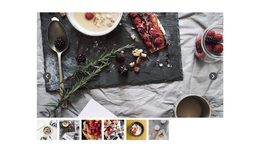
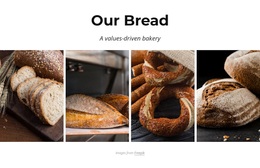
The strongest reason to choose this block is its combination of editorial food imagery and a defined content sequence. The centered heading introduces ten simple ways to manage sugar cravings, while the supporting line mentions mindfulness and lemon juice without creating a long text-heavy area. Seven food and drink photographs then provide the main visual experience, making the section more image-led than a conventional text panel or evenly repeated card layout.
The 2-3-2 mosaic is the design’s clearest distinguishing feature. Three vertical columns distribute the photographs across varied heights, producing a composed arrangement with more visual movement than a standard seven-image row. Generous white spacing keeps the tiles readable as individual photographs and preserves the clean relationship between the centered introduction and the gallery below. This structure is useful when a page needs food-related content to feel substantial while remaining contained in one section.
A centered order online button completes the design and gives it a practical direction. The light blue rounded treatment contrasts with the white background without overpowering the photographs. Together, the nutrition message, irregular image mosaic, spacious presentation, and closing action make this a specific section choice for food, healthy eating, nutrition, or restaurant content rather than a generic gallery alternative.
Customize with Nicepage
Open this ready-made template in the Template Builder and customize it visually in the Nicepage editor. Replace demo content, edit page sections, and adapt the design to your project without rebuilding the template from scratch.
Edit Template Offline
2. Create a new page or select existing
3. Click Add new block, search for id 5673157 and click enter
Edit Template Online
Create Awesome Websites


Free Nicepage Builder
Keywords
Start With a Ready-Made Template
Choose a Design for a New Page
Use a ready-made template as a starting point instead of creating every page from a blank canvas. When adding a new page in Nicepage, browse available designs, compare different layouts, and choose an option that already fits the general purpose and visual direction of your project.
Browse Different Page Designs
Explore Page Designs using search, thematic categories, Design Sets, and full-page previews. The collection includes layouts for different subjects and page purposes, making it easier to compare alternatives before selecting a design to customize.
Customize the Selected Template
After choosing a design, create the page and continue editing it visually in Nicepage. Replace the demo content, adjust images, typography, colors, sections, and other elements, and adapt the ready-made layout to your own content instead of rebuilding the design from the beginning.
Explore More Design Directions
If the first option does not match your project closely enough, return to the design collection and compare other templates before committing to a layout. This makes the template library useful not only for faster page creation, but also for exploring different visual approaches and finding a suitable starting point for a new project.
This workflow gives you access to a broad collection of ready-made designs that can be selected, compared, and customized according to the needs of each new page or project.