Family psychology courses Template


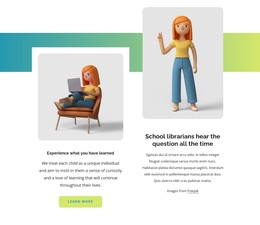
A layered couple image gives the course introduction visual presence
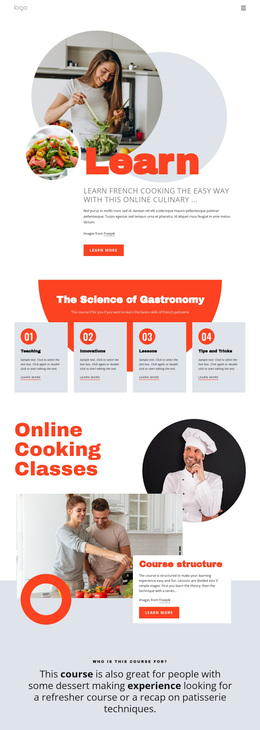
The strongest reason to choose this section design is the way it combines a single clear heading with a large lifestyle photograph and overlapping geometric layers. Instead of spreading the introduction across several equal cards, the composition gives the couple using a laptop most of the visual field and uses the white card to create a deliberate reading point at the lower-left. That contrast makes the “Family Psychology Courses” heading easy to locate while preserving a substantial image area.
The blue rectangular accents add a second layer of recognition. One sits behind the image and another supports the card, so the section has depth without requiring animation or a dense interactive component. Against the light gray background, the blue shapes, white surface, and dark heading form a controlled palette that can suit a course introduction needing more visual character than a plain text hero. Generous whitespace prevents the overlapping elements from feeling crowded.
The design also keeps the image attribution line within the same presentation, which is useful when the featured image needs visible credit. Choose this block when the page needs an opening section that introduces one offering through a strong image-and-heading relationship. Its value lies in the combination of asymmetry, layered rectangles, and a concentrated text card—not in a generic collection of interchangeable hero elements.
Customize with Nicepage
Open this ready-made template in the Template Builder and customize it visually in the Nicepage editor. Replace demo content, edit page sections, and adapt the design to your project without rebuilding the template from scratch.
Edit Template Offline
2. Create a new page or select existing
3. Click Add new block, search for id 330713 and click enter
Edit Template Online
Create Awesome Websites


Free Nicepage Builder
Keywords
Start With a Ready-Made Template
Choose a Design for a New Page
Use a ready-made template as a starting point instead of creating every page from a blank canvas. When adding a new page in Nicepage, browse available designs, compare different layouts, and choose an option that already fits the general purpose and visual direction of your project.
Browse Different Page Designs
Explore Page Designs using search, thematic categories, Design Sets, and full-page previews. The collection includes layouts for different subjects and page purposes, making it easier to compare alternatives before selecting a design to customize.
Customize the Selected Template
After choosing a design, create the page and continue editing it visually in Nicepage. Replace the demo content, adjust images, typography, colors, sections, and other elements, and adapt the ready-made layout to your own content instead of rebuilding the design from the beginning.
Explore More Design Directions
If the first option does not match your project closely enough, return to the design collection and compare other templates before committing to a layout. This makes the template library useful not only for faster page creation, but also for exploring different visual approaches and finding a suitable starting point for a new project.
This workflow gives you access to a broad collection of ready-made designs that can be selected, compared, and customized according to the needs of each new page or project.