Architecture design firm Template



Edit Template Offline
2. Create new page and search for id 2079097
Edit Template Online
Create Awesome Websites


Free Nicepage Builder
Keywords
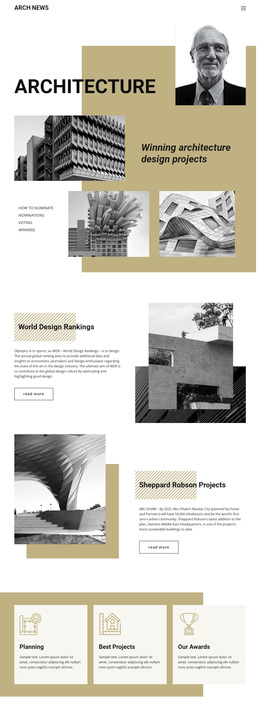
Four Disciplines Connect Practice, Process, and Project Presentation
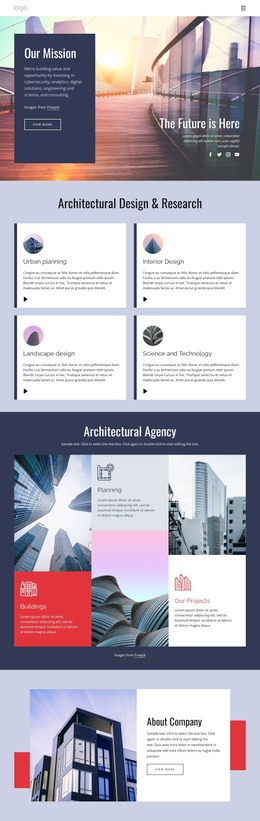
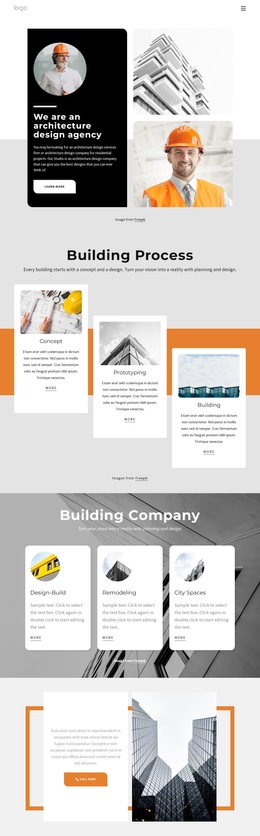
Architecture, Planning, Urban Design, and Research give this design a distinctive starting point: the page does not rely on one generic service statement, but presents four related disciplines in a repeated visual row. That scope is then connected to Mission and Values content and to profile panels, allowing the practice identity to sit beside its professional offering.
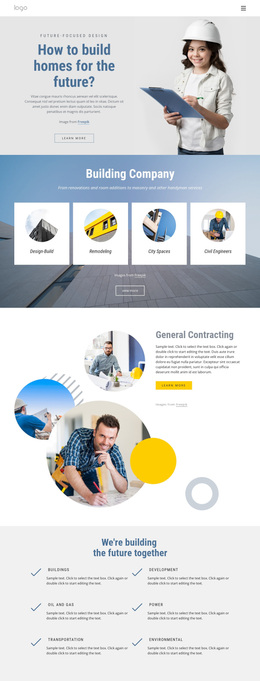
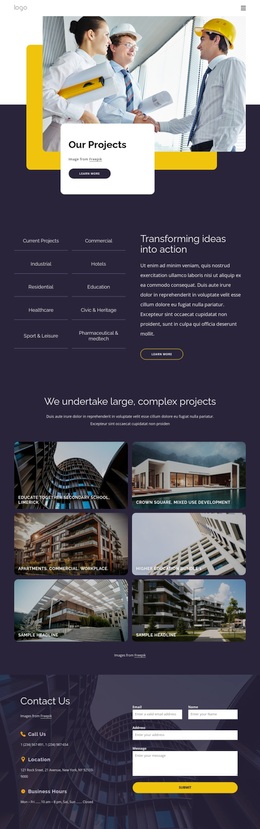
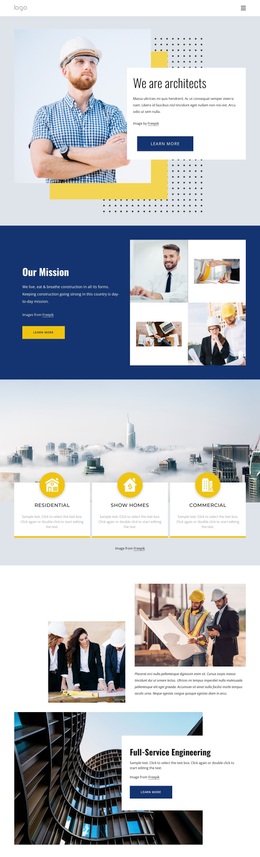
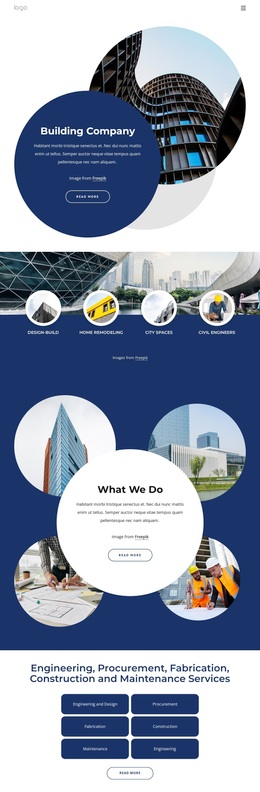
The design also covers the path from method to visible work. Team of Experts and Award Winner statements introduce capability, Winning Strategies presents two strategy columns, and three numbered process panels add a sense of progression. The Building Company section provides four recognizable project categories—Design-Build, Remodeling, City Spaces, and Workspaces—before a wide band of architectural photographs shifts the emphasis toward selected work.
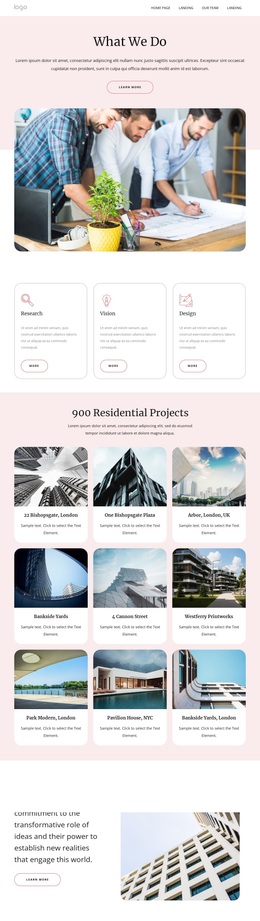
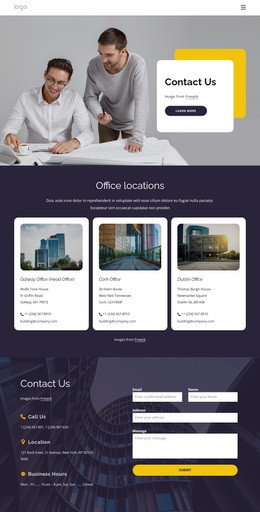
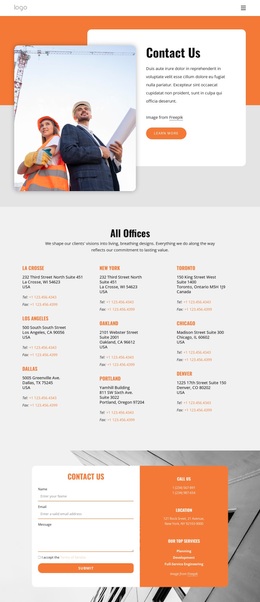
This combination makes the template worth considering when a project needs more than a portfolio grid or a simple services page. It can present what an architecture practice does, how it frames its approach, what kinds of projects it discusses, and how visitors can begin an inquiry. The counters and generic sample descriptions should be replaced with verified project information, but their structural roles remain useful. The result is a content-rich design option with a clear architecture-specific narrative and a strong final contact section.
Customize with Nicepage
Open this ready-made template in the Template Builder and customize it visually in the Nicepage editor. Replace demo content, edit page sections, and adapt the design to your project without rebuilding the template from scratch.
Start With a Ready-Made Template
Choose a Design for a New Page
Use a ready-made template as a starting point instead of creating every page from a blank canvas. When adding a new page in Nicepage, browse available designs, compare different layouts, and choose an option that already fits the general purpose and visual direction of your project.
Browse Different Page Designs
Explore Page Designs using search, thematic categories, Design Sets, and full-page previews. The collection includes layouts for different subjects and page purposes, making it easier to compare alternatives before selecting a design to customize.
Customize the Selected Template
After choosing a design, create the page and continue editing it visually in Nicepage. Replace the demo content, adjust images, typography, colors, sections, and other elements, and adapt the ready-made layout to your own content instead of rebuilding the design from the beginning.
Explore More Design Directions
If the first option does not match your project closely enough, return to the design collection and compare other templates before committing to a layout. This makes the template library useful not only for faster page creation, but also for exploring different visual approaches and finding a suitable starting point for a new project.
This workflow gives you access to a broad collection of ready-made designs that can be selected, compared, and customized according to the needs of each new page or project.