New summer shoes collection Template


Centered Retail Copy With a Two-Image Sneaker Row
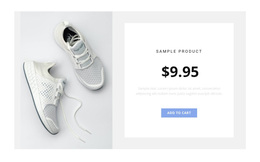
The centered paragraph gives this section its editorial identity, while the two adjacent sneaker panels provide a compact visual counterpart. The copy references Inditex and its Zara chain alongside Boohoo.com and Missguided, so the block can frame fashion-market context rather than simply display an isolated product photograph. Because those names appear as part of the supplied editorial content, the section is best understood as a ready-made arrangement for presenting brand or retail commentary with supporting imagery.
The image row is deliberately restrained: both panels have equal apparent width, a narrow central gap, and close-up views of white sneakers. That repetition creates visual balance without adding cards, labels, buttons, or confirmed interaction. Generous white space separates the paragraph from the images, allowing the reader to encounter the written context first and the footwear imagery second. This makes the design a useful choice when a page needs a quieter editorial section with a clear text-to-image progression.
Among alternative section designs, its value comes from the combination of named retail references, centered text, and a simple two-panel composition. It can introduce a fashion story, collection context, or brand perspective inside a broader page while leaving navigation, product listings, and response elements to neighboring sections.
Customize with Nicepage
Open this ready-made template in the Template Builder and customize it visually in the Nicepage editor. Replace demo content, edit page sections, and adapt the design to your project without rebuilding the template from scratch.
Edit Template Offline
2. Create a new page or select existing
3. Click Add new block, search for id 104550 and click enter
Edit Template Online
Create Awesome Websites


Free Nicepage Builder
Keywords
Start With a Ready-Made Template
Choose a Design for a New Page
Use a ready-made template as a starting point instead of creating every page from a blank canvas. When adding a new page in Nicepage, browse available designs, compare different layouts, and choose an option that already fits the general purpose and visual direction of your project.
Browse Different Page Designs
Explore Page Designs using search, thematic categories, Design Sets, and full-page previews. The collection includes layouts for different subjects and page purposes, making it easier to compare alternatives before selecting a design to customize.
Customize the Selected Template
After choosing a design, create the page and continue editing it visually in Nicepage. Replace the demo content, adjust images, typography, colors, sections, and other elements, and adapt the ready-made layout to your own content instead of rebuilding the design from the beginning.
Explore More Design Directions
If the first option does not match your project closely enough, return to the design collection and compare other templates before committing to a layout. This makes the template library useful not only for faster page creation, but also for exploring different visual approaches and finding a suitable starting point for a new project.
This workflow gives you access to a broad collection of ready-made designs that can be selected, compared, and customized according to the needs of each new page or project.