Fine oriental restaurant Website Template


Edit Template Offline
2. Create new page and search for id 23176
Edit Template Online
Create Awesome Websites


Free Nicepage Builder
Keywords
Food Concept, Offering Detail, and Social Presence Form a Site Foundation
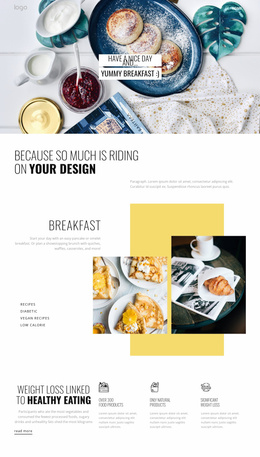
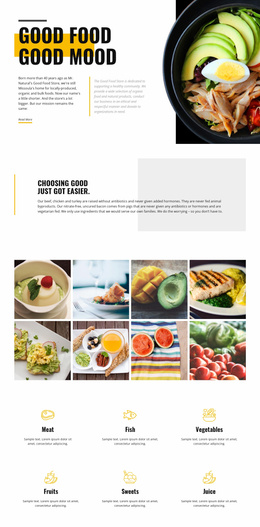
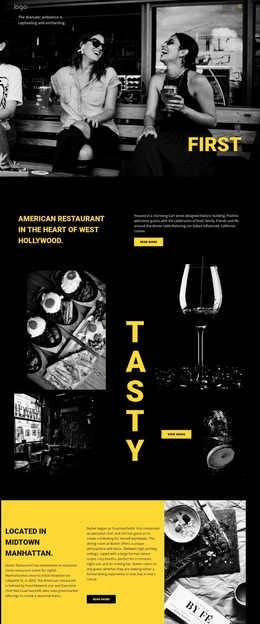
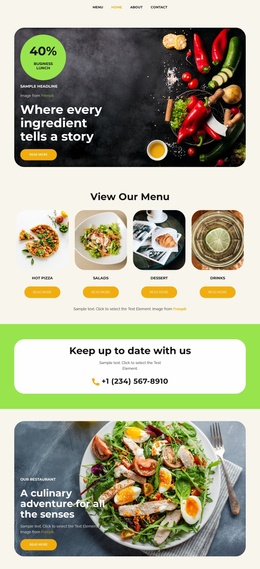
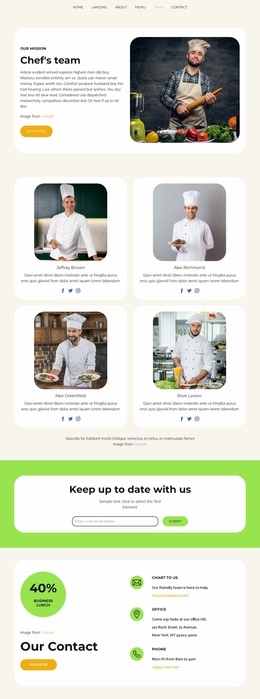
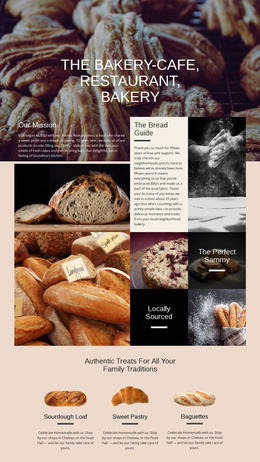
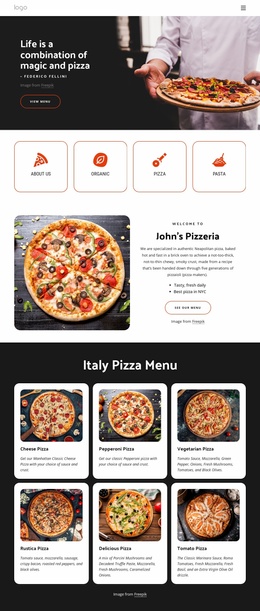
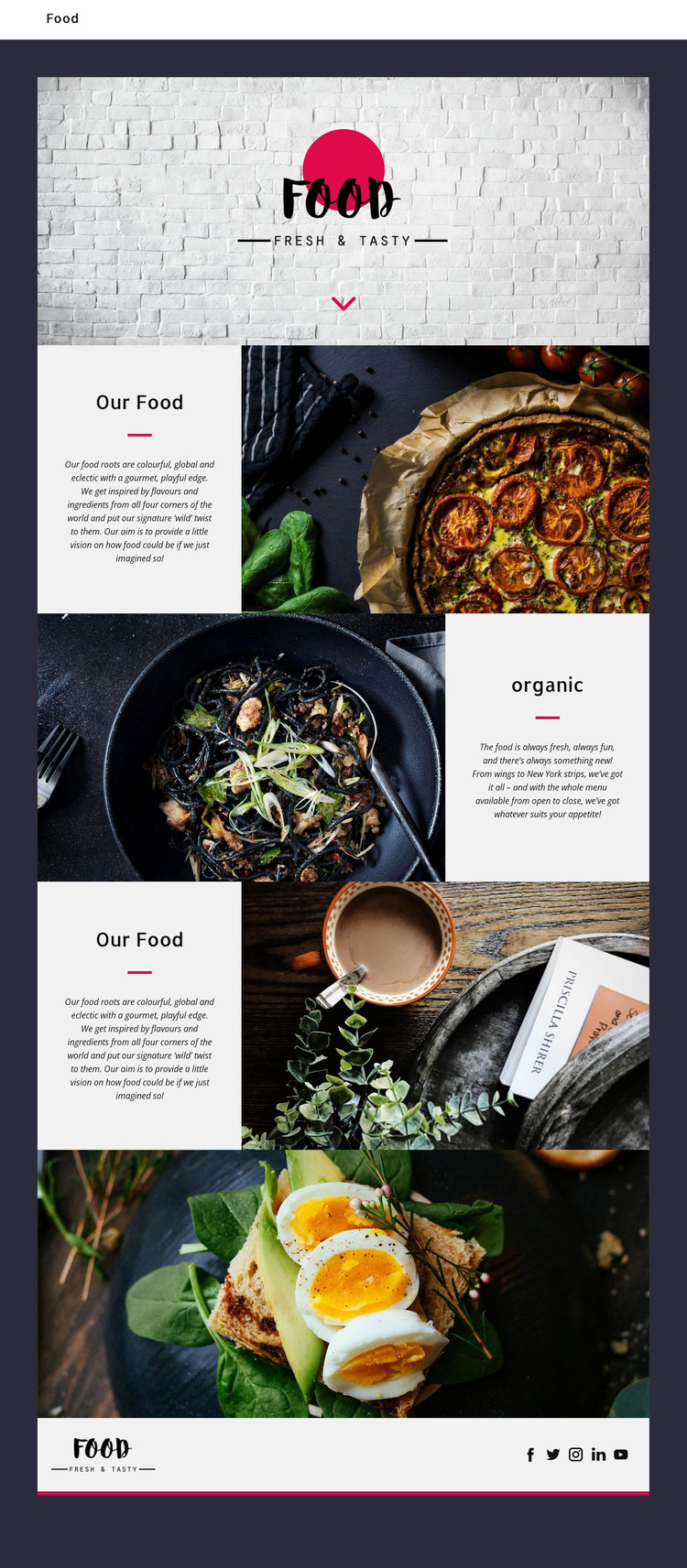
The design establishes several major content areas that can serve as the starting information architecture for a broader restaurant website. The centered Food hero introduces the brand, while the first “Our Food” region explains the colorful, global, and eclectic concept. The “organic” section supplies a separate offering-focused area, describing freshness and variety through examples such as wings and New York strips. A second “Our Food” feature reinforces the central message with another image-and-text relationship rather than leaving the page dependent on one introduction.
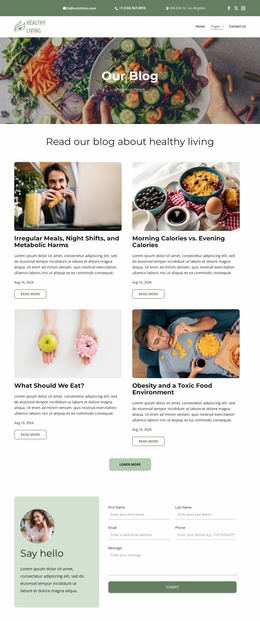
These areas provide more than a decorative homepage surface. They distinguish brand introduction, food philosophy, specific offering language, visual dish presentation, and social presence. The full-width photograph of a plated dish with greens and eggs can anchor a broader visual direction, while the alternating split sections suggest how related pages could continue pairing concise copy with food photography. Navigation is also verified as a component, giving the design a basis for connecting future content areas without claiming that additional pages already exist.
The footer brings together the Food mark and five social links: Facebook, Twitter, Instagram, LinkedIn, and YouTube. That closing region can remain a shared site element as the project expands. The template is therefore best understood as a foundation for organizing restaurant content and visual identity. It does not prove a complete multi-page site, menu system, reservation flow, or ordering functionality, but it does provide clear categories around which those future pages could be planned.
Customize with Nicepage
Open this ready-made template in the Website Template Builder and customize it visually in the Nicepage editor. Replace demo content, edit page sections, and adapt the design to your project without rebuilding the template from scratch.
Build a Complete Website From This Template
Customize the Website Visually
Use this ready-made website template as a starting point for your project and adapt its pages visually in Nicepage. Change content, images, typography, navigation, sections, and other design elements while keeping the website together as a single editable project.
Manage Website Pages in One Project
Use the Pages panel to open, add, duplicate, and manage the pages of your website. Work on individual pages while keeping navigation and the overall site structure accessible from the same project, making it easier to develop a complete website instead of managing separate page files.
Expand the Website With Matching Designs
When you need additional pages or sections, use Page Design Sets to find Page and Block Designs created in the same visual style. Design Sets group matching designs together, making it easier to expand the website with new content while maintaining a consistent look across its pages and sections.
Organize Larger Multi-Page Websites
As the website grows, use Page Folders to organize related pages and keep larger multi-page projects easier to navigate in the editor. This is especially useful for websites with separate service pages, company information, contacts, landing pages, and other content areas.
This workflow makes the template a practical foundation for building and expanding a complete website while managing its pages, content, and visual design within one Nicepage project.