Best places in photo Website Template


A Reusable Outdoor Travel Section With Its Own Content Pattern
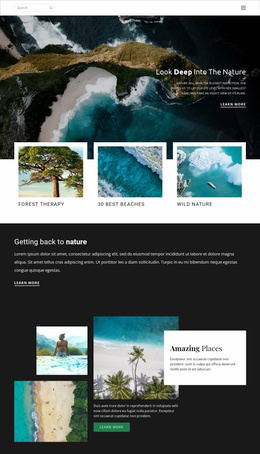
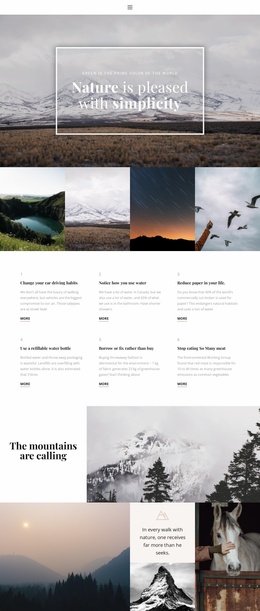
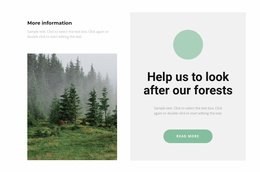
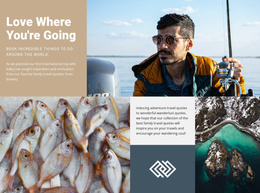
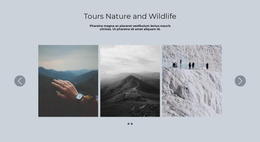
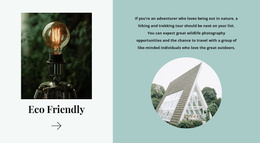
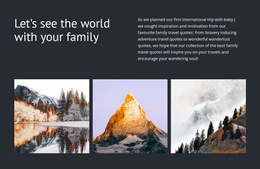
The block supplies a stable content pattern that can be reused as one section within a broader website project. Four outdoor photographs appear in a horizontal gallery row, creating a visual area for landscapes and nature before the section moves into written context. The lightbox behavior supports closer examination of the images, while the gallery’s consistent position gives the block a recognizable role whenever the design is adapted.
The two-column text row gives the section a second reusable pattern. The bold heading on the left names the subject as the best places to hike and trek in the world, and the supporting paragraph on the right expands the subject through wildlife photography and group travel. In a larger travel-oriented project, this block could coordinate with separate sections for destination details, tour information, testimonials, or contact content while retaining its own focused gallery role. Its value as a website-template section comes from being self-contained enough to repeat or adapt without attempting to handle every page function. Related sections can echo its image treatment, spacing, or text hierarchy, but the block itself remains one outdoor content area within the wider project.
Customize with Nicepage
Open this ready-made template in the Website Template Builder and customize it visually in the Nicepage editor. Replace demo content, edit page sections, and adapt the design to your project without rebuilding the template from scratch.
Edit Template Offline
2. Create a new page or select existing
3. Click Add new block, search for id 75847 and click enter
Edit Template Online
Create Awesome Websites


Free Nicepage Builder
Keywords
Use This Block in a Broader Website Template Project
Treat the Block as One Reusable Site Section
A website project is assembled from multiple pages and sections. The analyzed block provides one reusable content area—such as services, About, testimonials, pricing, gallery, team, or contact—while the rest of the site supplies other page-level functions.
Coordinate the Section With Other Pages
Use the Pages panel to manage the pages of the broader project. The block can remain one consistent section pattern while related pages add deeper information or different content without implying that the Block ID itself contains those pages.
Expand With Matching Designs
When additional pages or sections are needed, Page Design Sets can help locate matching Page and Block Designs. This can extend the visual direction around the existing block while keeping the site's other content areas separate.
This workflow treats the block as a reusable building unit inside a larger Website Template project, not as a complete website foundation on its own.