Step by step plan Template


A Split Category List Gives Fashion Content a Stronger Visual Shape
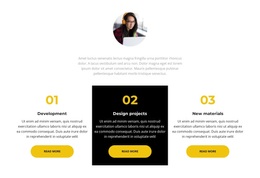
The most distinctive choice in this design is the combination of a three-item vertical sequence with one tall portrait. Instead of spreading clothes, footwear, and bags across equal columns, the block gives each category a numbered card and lets the grayscale image occupy a separate visual field. This creates a compact information group with a clear editorial contrast, making the section suitable when a fashion page needs category coverage with more image presence than a simple list.
The repeated card pattern keeps the three labels comparable, while the large serif numerals provide a visible rhythm as the eye moves downward. Supporting paragraphs add room for category context without changing the basic structure, and the pale-gray surfaces separate the entries from the white background. The portrait then balances the stacked text by introducing a tall, quiet visual anchor on the right. This particular arrangement can be chosen when the project benefits from both quick category scanning and a restrained monochrome mood. It offers a clear alternative to denser product layouts, while remaining focused enough to work as one reusable fashion section among other design options.
Customize with Nicepage
Open this ready-made template in the Template Builder and customize it visually in the Nicepage editor. Replace demo content, edit page sections, and adapt the design to your project without rebuilding the template from scratch.
Edit Template Offline
2. Create a new page or select existing
3. Click Add new block, search for id 258416 and click enter
Edit Template Online
Create Awesome Websites


Free Nicepage Builder
Keywords
Start With a Ready-Made Template
Choose a Design for a New Page
Use a ready-made template as a starting point instead of creating every page from a blank canvas. When adding a new page in Nicepage, browse available designs, compare different layouts, and choose an option that already fits the general purpose and visual direction of your project.
Browse Different Page Designs
Explore Page Designs using search, thematic categories, Design Sets, and full-page previews. The collection includes layouts for different subjects and page purposes, making it easier to compare alternatives before selecting a design to customize.
Customize the Selected Template
After choosing a design, create the page and continue editing it visually in Nicepage. Replace the demo content, adjust images, typography, colors, sections, and other elements, and adapt the ready-made layout to your own content instead of rebuilding the design from the beginning.
Explore More Design Directions
If the first option does not match your project closely enough, return to the design collection and compare other templates before committing to a layout. This makes the template library useful not only for faster page creation, but also for exploring different visual approaches and finding a suitable starting point for a new project.
This workflow gives you access to a broad collection of ready-made designs that can be selected, compared, and customized according to the needs of each new page or project.