Industry standards Website Template


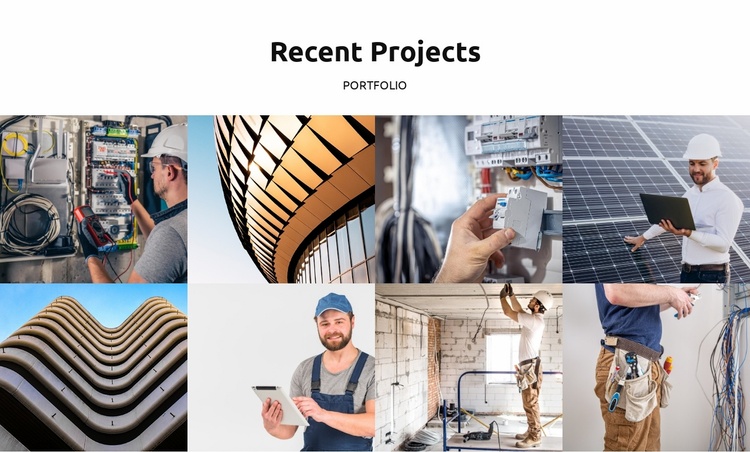
A reusable project-gallery pattern for a broader site
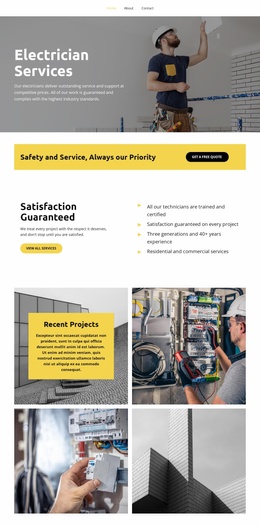
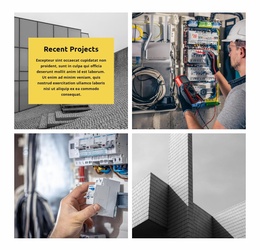
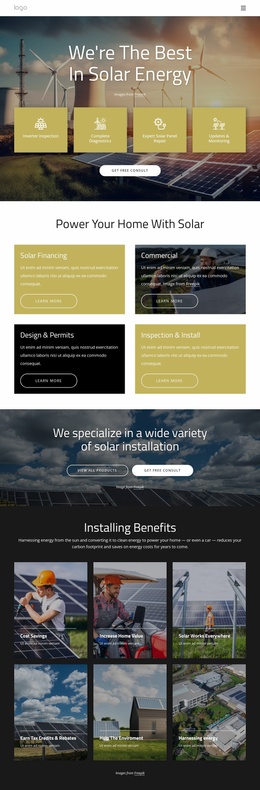
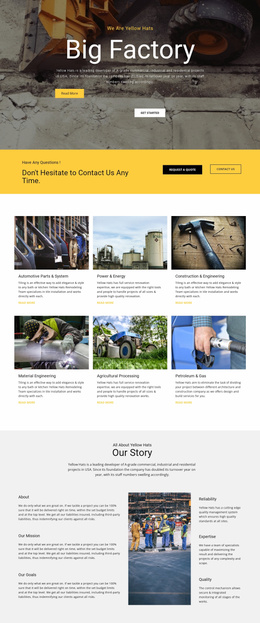
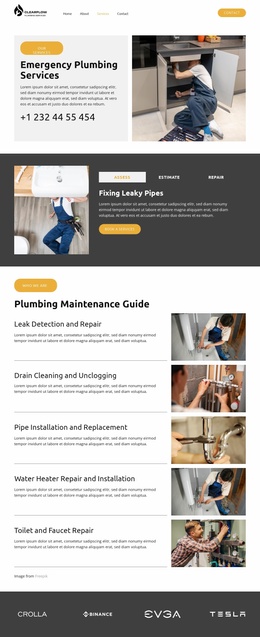
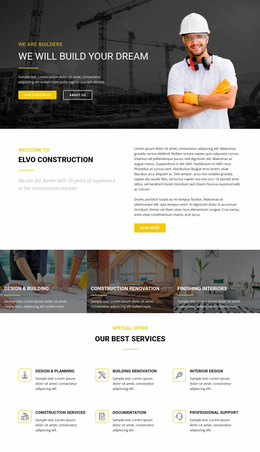
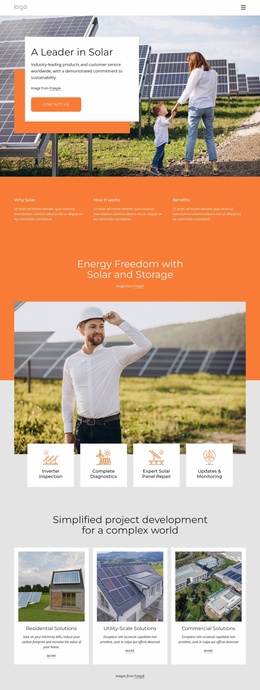
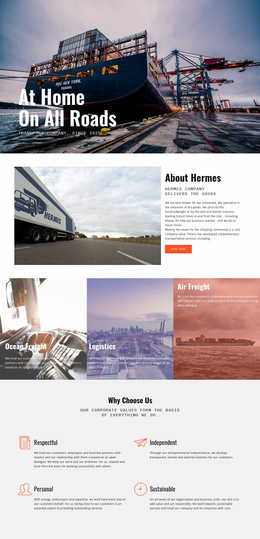
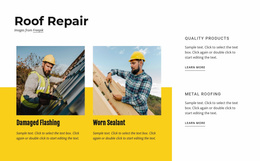
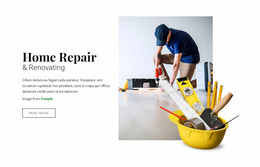
The centered “Recent Projects” heading and “PORTFOLIO” label define one recurring website content area: a visual presentation of industrial work. Eight photographs follow in two rows of four, giving the section a stable pattern that can be reused when a broader website project needs a portfolio or recent-projects destination. The image subjects include construction, electrical systems, architecture, solar panels, and other industrial activity, allowing the section to show range while remaining visually coherent.
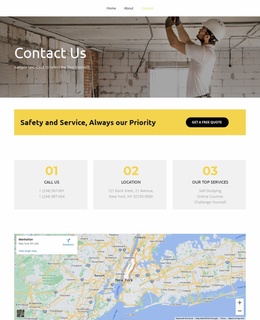
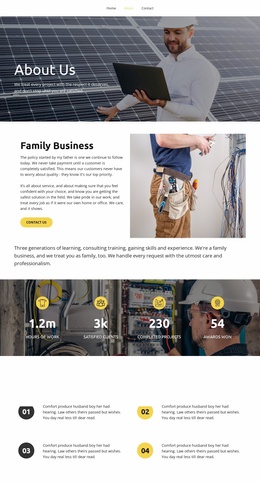
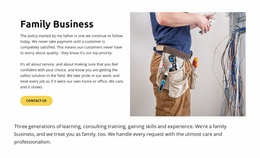
Within a larger website template project, this block can coordinate with separate sections for introductions, services, company information, contact details, or deeper project descriptions. Its regular grid is self-contained enough to identify the portfolio role without claiming to provide those surrounding page functions. The consistent edge-to-edge rectangular treatment can also act as a repeatable visual cue if related sections use similarly direct image presentation, while the white background makes the block adaptable to different neighboring designs. Because the interaction is static, visitors can scan all eight images immediately rather than navigating a carousel. That makes the section useful as a dependable site-building unit: it supplies a complete project-gallery arrangement at block level and leaves the broader website’s page structure, navigation, and additional content to the surrounding project.
Customize with Nicepage
Open this ready-made template in the Website Template Builder and customize it visually in the Nicepage editor. Replace demo content, edit page sections, and adapt the design to your project without rebuilding the template from scratch.
Edit Template Offline
2. Create a new page or select existing
3. Click Add new block, search for id 6137899 and click enter
Edit Template Online
Create Awesome Websites


Free Nicepage Builder
Keywords
Use This Block in a Broader Website Template Project
Treat the Block as One Reusable Site Section
A website project is assembled from multiple pages and sections. The analyzed block provides one reusable content area—such as services, About, testimonials, pricing, gallery, team, or contact—while the rest of the site supplies other page-level functions.
Coordinate the Section With Other Pages
Use the Pages panel to manage the pages of the broader project. The block can remain one consistent section pattern while related pages add deeper information or different content without implying that the Block ID itself contains those pages.
Expand With Matching Designs
When additional pages or sections are needed, Page Design Sets can help locate matching Page and Block Designs. This can extend the visual direction around the existing block while keeping the site's other content areas separate.
This workflow treats the block as a reusable building unit inside a larger Website Template project, not as a complete website foundation on its own.