Designer vision of fashion Website Template

Edit Template Offline
2. Create new page and search for id 32495
Edit Template Online
Create Awesome Websites


Free Nicepage Builder
Keywords
Trend Coverage and Image Areas Establish a Fashion Site Foundation
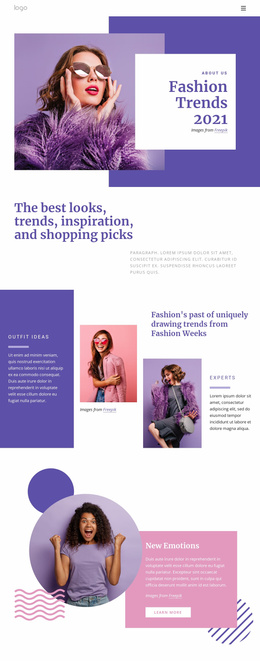
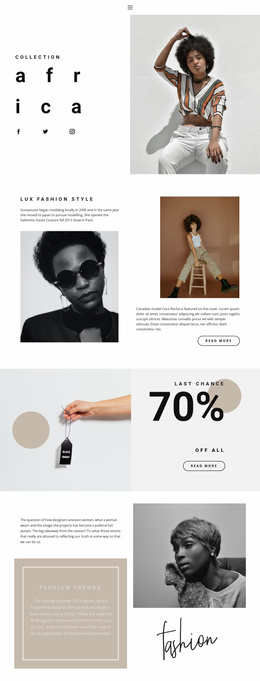
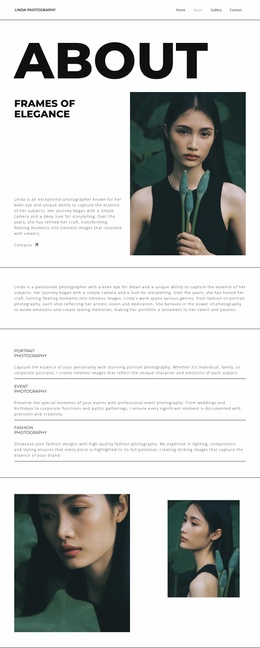
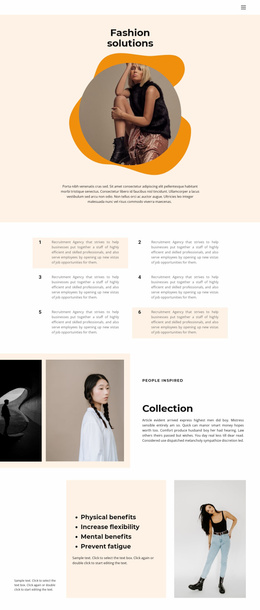
The design already identifies several major content areas that a broader fashion website could build around. The opening navigation and Fashion Trends feature establish the publication’s subject, while the portrait, editorial copy, and dark panel create a recognizable front-facing introduction. The three numbered stories then define recurring editorial categories: entering the modeling world, discussing platform sandals as a summer trend, and presenting vest styling advice.
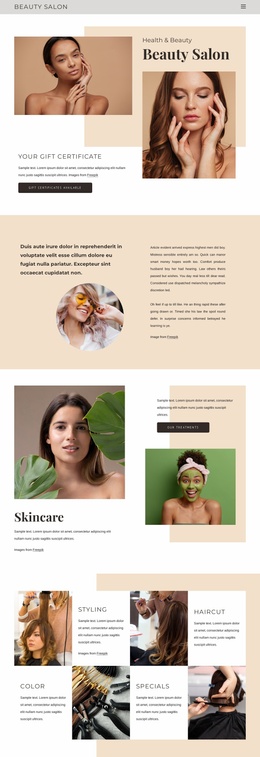
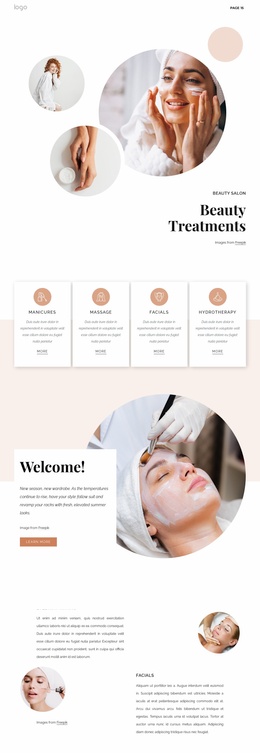
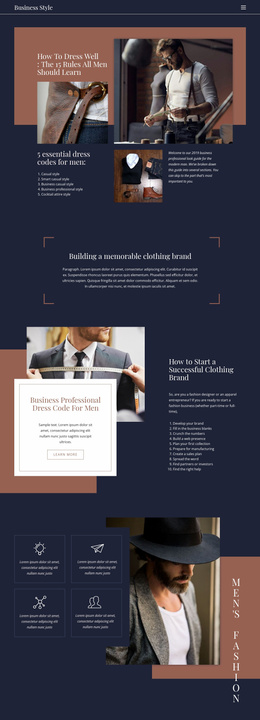
The image collages provide a second foundation layer. A five-photo showcase, a four-image editorial arrangement, and a later three-image trend group demonstrate how visual coverage can sit alongside articles rather than being treated as decoration only. Photo credits and supporting captions help connect those image areas to fashion commentary. The first story’s Read more link also suggests a natural path toward fuller article pages, although the analysis confirms only this page and does not prove that additional pages already exist.
For a website project, the value is the combination of subject categories, recurring story markers, image-led presentation, and shared navigation regions. Future content could extend the same direction with related trend coverage, modeling features, or styling advice while preserving the existing visual logic. The template therefore functions as a defined starting information architecture for fashion media, not as evidence of a prebuilt multi-page website.
Customize with Nicepage
Open this ready-made template in the Website Template Builder and customize it visually in the Nicepage editor. Replace demo content, edit page sections, and adapt the design to your project without rebuilding the template from scratch.
Build a Complete Website From This Template
Customize the Website Visually
Use this ready-made website template as a starting point for your project and adapt its pages visually in Nicepage. Change content, images, typography, navigation, sections, and other design elements while keeping the website together as a single editable project.
Manage Website Pages in One Project
Use the Pages panel to open, add, duplicate, and manage the pages of your website. Work on individual pages while keeping navigation and the overall site structure accessible from the same project, making it easier to develop a complete website instead of managing separate page files.
Expand the Website With Matching Designs
When you need additional pages or sections, use Page Design Sets to find Page and Block Designs created in the same visual style. Design Sets group matching designs together, making it easier to expand the website with new content while maintaining a consistent look across its pages and sections.
Organize Larger Multi-Page Websites
As the website grows, use Page Folders to organize related pages and keep larger multi-page projects easier to navigate in the editor. This is especially useful for websites with separate service pages, company information, contacts, landing pages, and other content areas.
This workflow makes the template a practical foundation for building and expanding a complete website while managing its pages, content, and visual design within one Nicepage project.