Reviews and testimonials Template


Portraits and rotating quotes distinguish this testimonial design
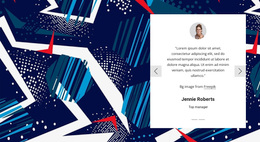
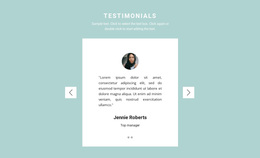
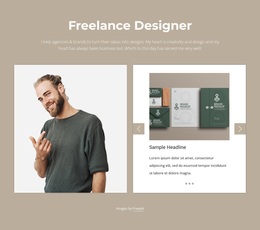
The design choice is defined by the combination of two portrait-led slides, long endorsement quotes, and a restrained horizontal composition. Rather than presenting several testimonials as a dense card grid, the block gives one statement visual attention at a time. The portrait on the left establishes an immediate human reference, while the quote and name on the right provide the supporting content. That arrangement is useful when a project needs social proof with a quieter, editorial presentation.
The carousel controls extend the content without enlarging the section. Visitors can use the previous and next buttons to compare the two endorsements, and the indicators show the available slide positions. The monochrome portrait treatment, compact black text, white background, and open spacing reinforce the same focused direction. Together, these details make the block recognizable among alternative testimonial layouts.
It is a practical choice when the page needs attributed evidence but should avoid a crowded collection of cards or a large testimonial wall. The block remains one reusable testimonials section, so surrounding content can provide the introduction, service explanation, response point, and other page functions. Its distinctive value is the balance between personal portrait context, substantial quote content, and controlled carousel presentation.
Customize with Nicepage
Open this ready-made template in the Template Builder and customize it visually in the Nicepage editor. Replace demo content, edit page sections, and adapt the design to your project without rebuilding the template from scratch.
Edit Template Offline
2. Create a new page or select existing
3. Click Add new block, search for id 93577 and click enter
Edit Template Online
Create Awesome Websites


Free Nicepage Builder
Keywords
Start With a Ready-Made Block Design
Choose a Section Instead of Building From Scratch
Use a ready-made block as a starting point when a page needs a particular content function or visual arrangement. Nicepage Block Designs provide section-level options for introductions, services, galleries, testimonials, contact forms, pricing, text layouts, and other common page needs.
Compare Different Layout Directions
Blocks with the same function can still differ in image emphasis, number of items, column structure, typography, spacing, card treatment, interaction, and overall visual weight. Compare those concrete characteristics before choosing the section that best matches the surrounding page.
Customize the Selected Block
After adding a block, replace demo content, adjust images and text, refine colors and typography, and adapt individual elements while preserving the section's useful structure. If another design fits the content better, return to the Block Designs collection and compare alternatives rather than forcing one section to solve a different function.
This workflow makes a Block ID a ready-made section choice: one reusable design option that can be selected and customized as part of a larger page.