Opinions of our best clients Template


A Compact Portrait-and-Quote Alternative to a Testimonial Grid
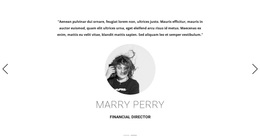
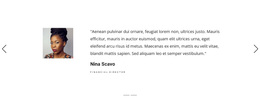
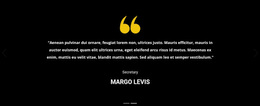
The choice here is defined by concentration: two testimonial slides present one speaker at a time instead of placing several quotes into a dense card grid. A square portrait on the left supplies immediate human context, while the larger quote on the right becomes the primary reading area. The name and role label beneath the quote add a clear attribution finish, so each slide has a complete visual and informational rhythm. Previous and next controls then make the second viewpoint available without expanding the block's footprint.
This design is useful when a page needs social proof with more emphasis on the individual voice than on quantity. The white background, compact centered content area, thin arrows, and indicators keep the interaction quiet and leave generous space around the active statement. That combination makes the section suitable for a mid-page testimonial moment where visitors can pause, read, and compare the two available perspectives. Its strongest distinction is the relationship between portrait, quote, and attribution: the elements work as one editorial-style presentation rather than separate cards. The result is a ready-made section option for projects seeking focused testimonial evidence with controlled navigation.
Customize with Nicepage
Open this ready-made template in the Template Builder and customize it visually in the Nicepage editor. Replace demo content, edit page sections, and adapt the design to your project without rebuilding the template from scratch.
Edit Template Offline
2. Create a new page or select existing
3. Click Add new block, search for id 83497 and click enter
Edit Template Online
Create Awesome Websites


Free Nicepage Builder
Keywords
Start With a Ready-Made Template
Choose a Design for a New Page
Use a ready-made template as a starting point instead of creating every page from a blank canvas. When adding a new page in Nicepage, browse available designs, compare different layouts, and choose an option that already fits the general purpose and visual direction of your project.
Browse Different Page Designs
Explore Page Designs using search, thematic categories, Design Sets, and full-page previews. The collection includes layouts for different subjects and page purposes, making it easier to compare alternatives before selecting a design to customize.
Customize the Selected Template
After choosing a design, create the page and continue editing it visually in Nicepage. Replace the demo content, adjust images, typography, colors, sections, and other elements, and adapt the ready-made layout to your own content instead of rebuilding the design from the beginning.
Explore More Design Directions
If the first option does not match your project closely enough, return to the design collection and compare other templates before committing to a layout. This makes the template library useful not only for faster page creation, but also for exploring different visual approaches and finding a suitable starting point for a new project.
This workflow gives you access to a broad collection of ready-made designs that can be selected, compared, and customized according to the needs of each new page or project.