Empowering Digital Growth Website Template


Edit Template Offline
2. Create new page and search for id 6393004
Edit Template Online
Create Awesome Websites


Free Nicepage Builder
Keywords
A Case-Study Foundation With Space for Related Portfolio Content
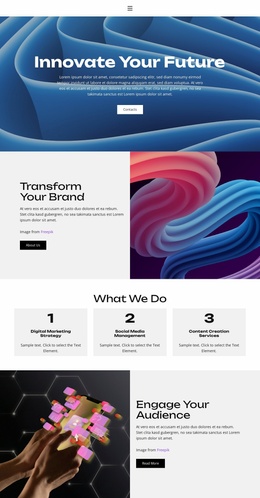
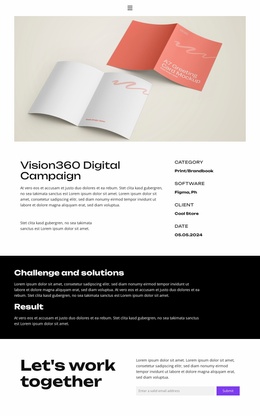
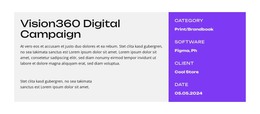
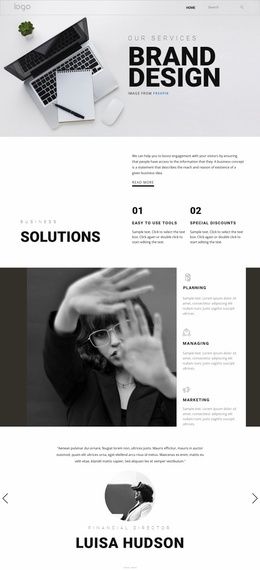
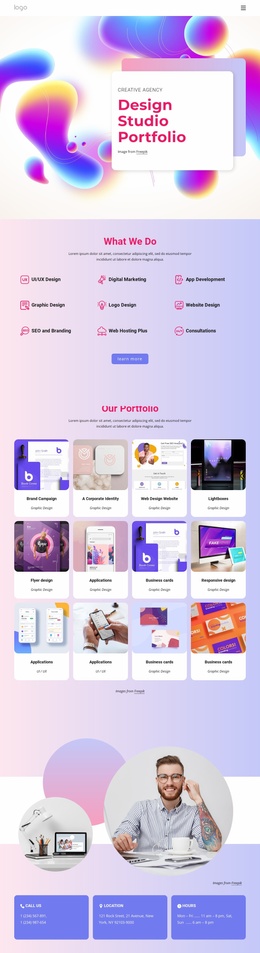
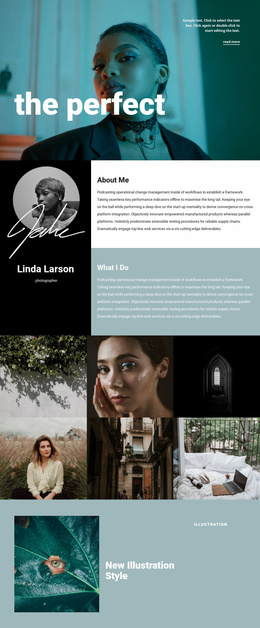
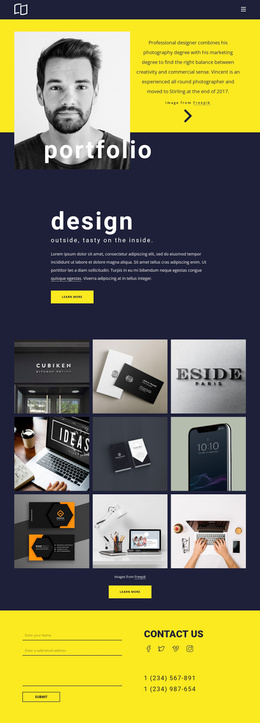
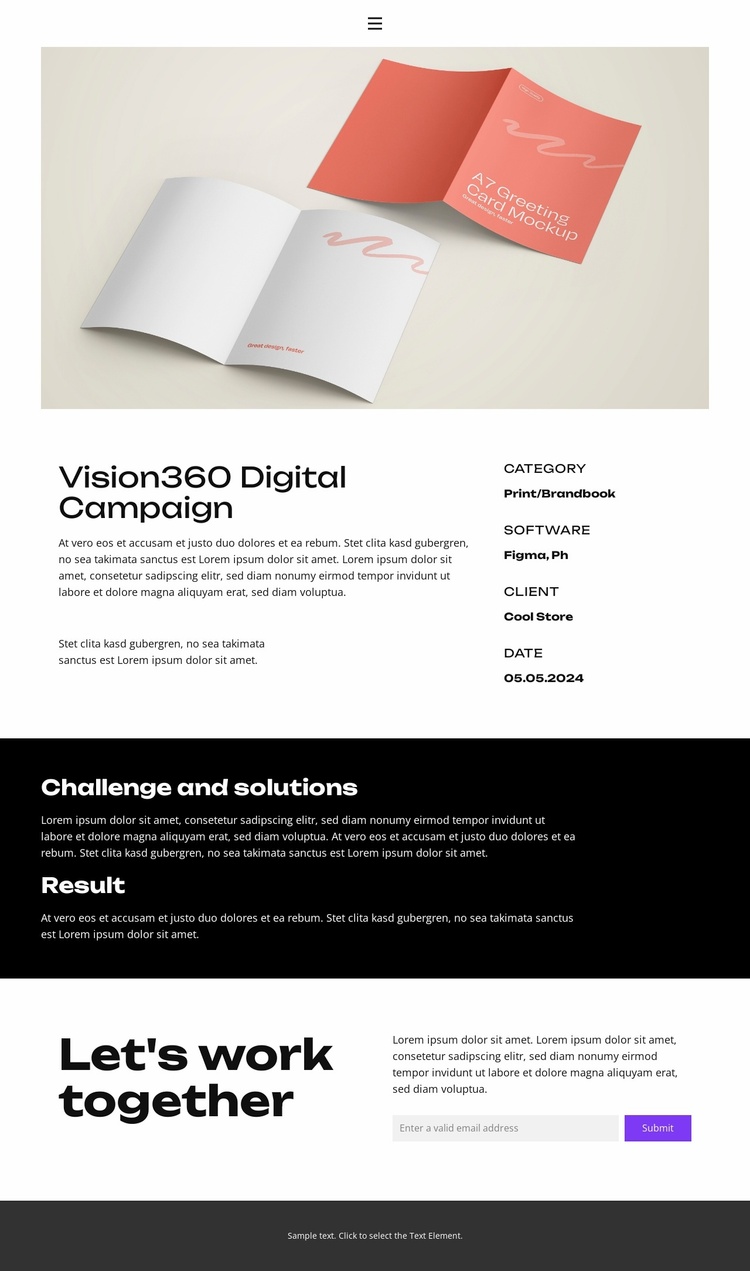
The page already defines several content areas that can support a wider digital design website. The opening image establishes a project-led visual direction, while the split overview separates descriptive text from recurring reference information such as Print/Brandbook, Figma, client, and date. That separation could provide a consistent foundation for related project pages, where each work sample retains a recognizable visual and informational pattern without claiming that additional pages are already included.
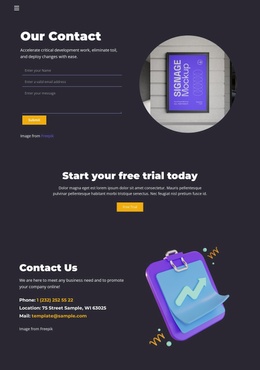
The central Challenge and solutions and Result sections provide a useful case-study model for explaining project context and outcome. Their dark presentation can become a recurring narrative region, while the final “Let’s work together” area supplies a clear shared contact destination for collaboration inquiries. Navigation and mobile navigation create the site-level framework around the page, and the dark footer offers another reusable region. The visual system also supports expansion through related project categories, service information, or additional portfolio entries, provided those are added as new content rather than treated as existing facts. As a website foundation, the template is valuable because it connects visual work, structured metadata, project explanation, and contact response in one coherent pattern. It offers more than a styled image page while remaining honest about the verified single-page scope.
Customize with Nicepage
Open this ready-made template in the Website Template Builder and customize it visually in the Nicepage editor. Replace demo content, edit page sections, and adapt the design to your project without rebuilding the template from scratch.
Build a Complete Website From This Template
Customize the Website Visually
Use this ready-made website template as a starting point for your project and adapt its pages visually in Nicepage. Change content, images, typography, navigation, sections, and other design elements while keeping the website together as a single editable project.
Manage Website Pages in One Project
Use the Pages panel to open, add, duplicate, and manage the pages of your website. Work on individual pages while keeping navigation and the overall site structure accessible from the same project, making it easier to develop a complete website instead of managing separate page files.
Expand the Website With Matching Designs
When you need additional pages or sections, use Page Design Sets to find Page and Block Designs created in the same visual style. Design Sets group matching designs together, making it easier to expand the website with new content while maintaining a consistent look across its pages and sections.
Organize Larger Multi-Page Websites
As the website grows, use Page Folders to organize related pages and keep larger multi-page projects easier to navigate in the editor. This is especially useful for websites with separate service pages, company information, contacts, landing pages, and other content areas.
This workflow makes the template a practical foundation for building and expanding a complete website while managing its pages, content, and visual design within one Nicepage project.